
- Health Conditions A-Z
- Health & Wellness
- Nutrition
- Fitness
- Health News
- Ayurveda
- Videos
- Medicine A-Z
- Parenting
Scientists Develop First Antibodies To Block Epstein Barr Virus
Credits: Canva
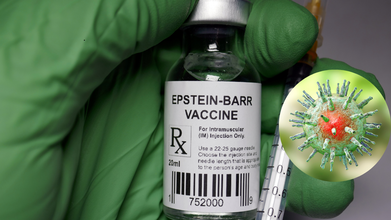
Scientists for the first time ever developed antibodies that could block Epstein Barr virus or EBV. This is a pathogen that is estimated to infect 95 per cent of the global population. The Epstein Barr virus is also linked with multiple types of cancer, neurodegenerative diseases and other chronic health conditions.
Antibodies for Epstein Barr Virus: How Does It Work?
Scientists used mice with human antibody genes. The team then developed new genetically human monoclonal antibodies that would prevent two key antigens on the surface of the Epstein Barr virus from binding to entering human immune cells.
The findings are published in Cell Reports Medicine. The study shows how the newly identified monoclonal antibodies successfully block infection in mice with human immune systems when they had EBV.
Scientists View On The Antibodies That Block Epstein Barr Virus
"Finding human antibodies that block Epstein Barr virus from infecting our immune cells has been particularly challenging because, unlike other viruses, EBV finds a way to bind to nearly every one of our B cells," explained Andrew McGuire, Ph.D., a biochemist and cellular biologist in the Vaccine and Infectious Disease Division at Fred Hutch. "We decided to use new technologies to try to fill this knowledge gap and we ended up taking a critical step toward blocking one of the world's most common viruses."
What Was the Challenge In The Creation Of Antibodies To Block Epstein Barr Virus?
The key challenge was to pursue human monoclonal antibodies that could actually halt the Epstein Barr virus infection without triggering an anti-drug response to the antibodies themselves. This is a common response among patients who are treated with antibodies raised in other animals.
The researchers targeted two antigens namely: gp350, which helps EBV bind to cell receptors. The second antigen was gp42 that allows EBV to enter and infect human antibody genes. This has led to the monoclonal antibodies to work against gp350 and eight gp42.
"Not only did we identify important antibodies against Epstein Barr virus, but we also validated an innovative a new approach for discovering protective antibodies against other pathogens," noted Crystal Chhan, a pathobiology Ph.D. student in the McGuire Lab. "As an early-career scientist, it was an exciting finding and has helped me appreciate how science often leads to unexpected discoveries."
Read: Chronic Epstein-Bar Virus: Can A Common Viral Infection Cause Fatal Brain Damage?
What Is Epstein Bar Virus (EBV)?
EBV is a highly contagious virus that can pass through bodily fluid contact. It is the cause of one of the most common infections, mononucleosis or mono. Once you get this virus, it stays in your body, inactive and in a dormant state until it becomes reactivated.
According to the Frontiers in Immunology, Chronic active Epstein-Barr virus (CAEBV) disease is a very uncommon problem where people's bodies can't fight off the EBV virus. It keeps getting worse, with a lot of the virus's DNA in their blood and the virus attacking their organs with infected blood cells.
People with this disease often have fevers, swollen glands, a big spleen, liver problems caused by EBV, or low blood counts. Over time, their body's ability to fight off infections gets weaker. If they don't get treatment, they can die from other infections, a problem where the body attacks its own blood cells, organ failure, or cancers linked to EBV.
The only treatment that has been proven to work for this disease is a stem cell transplant (a procedure to replace damaged blood cells with healthy ones). Right now, scientists are trying to figure out why this disease happens. They are looking at problems with the body's defense system (immune defects) and changes in people's genes that might be linked to the disease. A new study as also revealed that EBV may also cause us brain damage due to a disease called encephalitis.
Symptoms Of Epstein-Bar Virus
EBV infections do not cause symptoms especially for children, teens and adults are more likely to experience symptoms like fever, feeling tired or fatigued headache, sore throat, swollen lymph nodes in your neck and arm, enlarged spleen or swollen liver, body aches and skin rash. The symptoms of this usually last for two to four weeks. Things are a bit different with Chronic EBV. In rare cases of EBV, it can lead to a chronic condition called active EBV (CAEVB) some symptoms include, swollen and tender lymph nodes, fever, enlarged liver, fatigue, sore throat, headache, muscle pain joint stiffness, anemia and liver failure.
Heatwave In India: Govt Issues Advisory, Doctors Stress Hydration

Credit: Canva
Rising global temperatures are driving heatwave conditions in India, said the Indian government, while releasing an advisory to warn people about the increased health risks.
Taking to the social media platform X, the Ministry of Health and Family Welfare urged the public to take precautions during extreme heat.
"Heat waves are increasing due to rising global temperatures," said the Ministry in the advisory.
It shared safety measures and an informative poster explaining the impact of rising temperatures and steps to manage heat stroke.
The poster highlighted that a rise of 1 degree Celsius in global temperatures can lead to longer durations of heatwaves.
Further, it stated that insufficient hydration during heatwaves reduces the body's natural ability to cool itself, which can result in heat stroke.
The poster also detailed preventive measures to avoid heat stroke. It also advised people to avoid heavy work during mid-noon hours, drink plenty of water, avoid consuming heavily caffeinated or sugary drinks as they may cause dehydration, wear light-colored clothes, and take frequent breaks while working outdoors.
Which States Are At Risk?
The India Meteorological Department (IMD) has warned of heatwave conditions in several parts of the country.
Regions likely to face extreme heatwave conditions until April 20 include Telangana and Rayalaseema, Madhya Maharashtra and Marathwada, North Interior Karnataka, Madhya Pradesh, Chhattisgarh, Vidarbha, Odisha, Jharkhand, and West Rajasthan.
In addition, hot and humid weather conditions are expected in coastal regions such as Kerala, Tamil Nadu, Gujarat, and Coastal Andhra Pradesh.
Meanwhile, the national capital saw its hottest day of the year on Wednesday, as temperatures climbed sharply, signaling the onset of harsher summer conditions. According to IMD, the maximum temperature at Safdarjung, the city’s base station, touched 39.2 degrees Celsius, about 3 degrees above normal. This surpassed Tuesday’s 38.2 degrees Celsius, marking a noticeable upward trend.
While the mercury is expected to inch closer to 42 degrees Celsius by Friday, the weather office has ruled out heatwave conditions for at least the next week.
“A gradual rise is expected in maximum temperatures by 2-3 degrees during the next three days and fall by 1-2 degrees thereafter. The maximum temperatures are likely to be above normal to appreciably above normal during the next seven days," Times Of India quoted a Met official as saying.
As per the weather department, despite a slight chance of light rain in parts of Haryana and NCR on April 17 and 18, there is no relief expected for Delhi.
Forecasts suggest daytime temperatures will hover between 39 degrees Celsius and 41 degrees Celsius on Thursday, rising further to 40-42 degrees Celsius from Friday through Sunday.
The IMD has cautioned that such above-normal temperatures could pose moderate health risks, especially for infants, elderly individuals, and those with chronic illnesses.
Hydration Is key, Say Doctors
Dr. Anil Gomber, Director and Senior Consultant – Internal Medicine & Diabetologist, Yatharth Hospital, told HealthandMe: “It is crucial to take preventive measures to avoid heat-related illnesses".
Prolonged exposure to high temperatures can lead to dehydration, heat exhaustion, and heatstroke, which can be fatal if untreated.
Heat also places extra strain on the heart and lungs, increasing the risk of heart attacks and respiratory distress.
Heatwaves can increase the risk of deaths among the elderly and those with underlying medical conditions. It can also affect healthy and young people. Exposure to intense heat can cause headaches, dizziness, cramps, and fainting, particularly for those working outdoors or engaging in strenuous activity.
"Elderly people, kids, and those with chronic conditions like heart disease or diabetes face higher risks, so check on neighbors and family daily," Dr. Meenakshi Jain Principal Director & HOD Internal Medicine, Max Super Speciality Hospital, told HealthandMe.
She urged people to "watch for warning signs like dizziness, rapid heartbeat, nausea, or confusion, and move to a cool area immediately if they appear—seek medical help for severe symptoms. Keep homes cooler by closing curtains during the day and opening windows at night".
How To Stay Safe
To stay safe from heatwave, individuals must:- Stay well-hydrated by drinking plenty of water
- Avoid caffeine
- Avoid stepping out during peak afternoon hours
- Wear light, loose, and breathable clothing,
- Use protective gear like caps or umbrellas when outdoors
- Avoid excessive physical activity in the sun.
- Never leave children or elderly individuals in parked vehicles. Include fruits and fluids in your diet to maintain electrolyte balance.
- If you experience dizziness, headache, or fatigue, seek medical attention promptly, as early care can prevent serious complications.
Over 3 Million Eye Drops Recalled By US FDA Over Sterility Concerns: Know How To Stay Safe
Credit: Canva
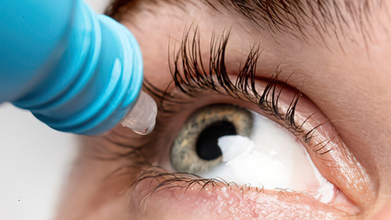
More than 3 million eye drops have been recalled by the US Food and Drug Administration (FDA) over sterility concerns.
The FDA, in its Enforcement Reports, stated that the products recalled “lack assurance of sterility.”
While so far, there are no reports of injuries associated with the eye drops, the FDA notice classified the action as a “Class II recall.”
Class II recalls apply to products that can cause “temporary or medically reversible” health problems.
The 3,111,072 products were manufactured by California-based K C Pharmaceuticals and were sold under names such as “Dry Eye Relief Eye Drops,” “Sterile Eye Drops,” and “Artificial Tears Sterile Lubricant Eye Drops,” according to the FDA notice.
California-based K C Pharmaceuticals made the voluntary recall of the eye drops in early March.
The eight types of eye drop products were sold at major retailers, including CVS, Walgreens, and Rite Aid. They have expiration dates ranging from April to October.
Eye Drop Recall: Implications For Patients
“The recall is very large, potentially affecting over a million people,” said C. Michael White, clinical pharmacologist and pharmacist at the University of Connecticut, in a Commentary published in The Conversation.
He added that “using nonsterile eye drops that harbor bacteria and fungus can cause eye infections, which can become severe because the immune system has a hard time accessing the eyeball and fighting the microbes”.
However, other experts stated that infections from eye drops are rare. Notably, the current voluntary recall has not reported any infections to date.
According to Jeffrey H. Ma, an ophthalmologist at the University of California-Davis Health, people with dry eyes must use preservative-free drops that come in disposable single-use vials. He advised people to dispose of any eye drops included in the recall.
“Drops that are not on the recall list should be safe to use,” said Ma. “If you have any of the drops on the list, you should immediately throw them away.”
How To Avoid Common Eye Infections
Beyond contaminated eye drops, several common eye infections can be triggered by environmental factors such as sun exposure, dust, and dirt—especially among people who work outdoors or spend long hours in front of screens.
“Conjunctivitis, known as pink eye, is the most common type of eye infection,” Ma said. Pink eye is estimated to affect about six million people every year.
“It is usually viral or bacterial, and is transmitted through direct contact, such as touching or rubbing your eyes after touching a contaminated item,” Ma added.
Contact lens wearers also have a higher risk of eye infections, particularly if they sleep in their lenses.
Symptoms of an eye infection include:
- blurry vision
- discharge
- pain or discomfort
- redness of the eyelid or eye
- feeling like there is something in the eye
- increased sensitivity to light
Experts urged investing in good sunglasses with ultraviolet protection and maintaining proper hygiene, such as washing hands before touching the lenses.
"For those who are using computers a lot, you need to blink your eyes constantly, take breaks in between, and drink a lot of water. Dehydration is also a contributing factor to dry eye," Dr Anita Sethi, who is Principal Director and HOD Ophthalmology, Max Multi Specialty Centre at Panchsheel Park.
She also recommends using zero-number protective glasses and computer glasses that can decrease strain and dry eye.
While advising people to stay away from natural remedies like turmeric or ginger put inside the eye, Dr Sethi urged people to consume more “foods rich in vitamin E, antioxidants” to maintain eye health.
Delhi HC Allows Sperm Extraction of Soldier in Coma: Doctors Call For Clearer IVF Guidelines

Credit: iStock
India needs clearer guidelines on reproductive rights, consent, and medical ethics, said doctors after the Delhi High Court, in a highly complex and sensitive case, granted permission for the extraction and cryopreservation of sperm of an Indian Army soldier in a persistent vegetative state.
As per the guidelines laid under the Assisted Reproductive Technology (ART) (Regulation) Act, 2021, it is important to have the written consent of both partners.
However, calling it “the right to reproductive autonomy,” Justice Purushaindra Kumar Kaurav allowed for sperm retrieval. The Court also cited the soldier's prior consent to undergo IVF treatment with his wife. "It constituted valid consent under the ART Act," LiveLaw reported.
What Is the Case All About?
The wife of an Indian Army soldier had approached the Court seeking directions to allow the retrieval and preservation of her husband's genetic material to enable her to undergo IVF.
Her husband, an Indian Army soldier, suffered a severe traumatic brain injury during deployment in Jammu and Kashmir in July last year and has since remained in a persistent vegetative state.
Before the incident, the couple had already opted for IVF and initiated procedures. However, the process was halted due to the husband's inability to provide fresh written consent as required under Section 22 of the ART Act, Live Law reported.
“While ...as on date there is no express indication of consent from the petitioner's husband, however, under the facts and circumstances of the present case, it is found to be fair, reasonable, and just for the respondents to undertake the necessary procedure/steps which are required to take the IVF treatment to its logical conclusion. But for this, the original consent given by the petitioner's husband shall stand vitiated, and the very purpose for acceding to the IVF treatment shall be rendered otiose,” said Justice Kaurav, in the Court's ruling.
“It is further directed that the petitioner's consent be considered as valid consent for her husband for the purposes of IVF procedure, if the same is required for any other step/procedure. The respondents shall not disentitle the petitioner on the sole ground that the petitioner's husband's written consent is absent,” the Court said.
HealthandMe spoke to IVF specialists to understand the procedure and implications around reproductive rights, consent, and medical ethics.
How Is Sperm Retrieval Performed in a Comatose Patient?
Dr Rachita Munjal, Director and Senior Consultant - Department of Fertility at Cloudnine Group of Hospitals, Gurugram, said that sperm retrieval and cryopreservation are possible in coma/vegetative patients, but success depends on timing and medical condition.
Also read: Explained: What Is Posthumous Reproduction?
In such conditions, sperm quality may be compromised, but assisted reproductive techniques can still make conception possible.
"Cryopreservation of sperm in men who are in a vegetative state or coma is medically complex but technically feasible in many cases, depending on the underlying condition and timing," the doctor told HealthandMe.
How sperm is retrieved
Since the person cannot ejaculate voluntarily, doctors use assisted techniques, such as
- Penile vibratory stimulation (PVS): Non-invasive; works if spinal reflexes are intact
- Electroejaculation (EEJ): Electrical stimulation under anesthesia to induce ejaculation
- Surgical sperm retrieval: If the above fail. Testicular sperm aspiration (TESA), Testicular sperm extraction (TESE)
- Percutaneous epididymal sperm aspiration (PESA)
These are typically performed by urologists or fertility specialists with consent from legal guardians or prior consent of the patient. Once sperm is obtained:
- Sperm is analyzed (count, motility, morphology)
- Mixed with a cryoprotectant to prevent cell damage
- Gradually cooled and stored in liquid nitrogen at –196°C
- Can be preserved for years without significant degradation
- Cause of coma (trauma vs neurological disease)
- Time since coma onset (earlier is better)
- Baseline fertility health
- prolonged immobility
- infections
- medications (sedatives, antibiotics)
- hormonal disruption
Are There Any Ethical Considerations
There are many ethical considerations in such cases, said Dr Munjal, noting that this requires explicit prior consent or legal authorization.
“Ethical concerns include reproductive rights and future child welfare,” she added.
Dr. Sabine Kapasi, IVF Specialist & Public Health Strategist, called it “an emotionally sensitive case where law, ethics, and reproductive rights intersect”.
“While prior IVF consent may indicate shared intent to build a family, it does not always automatically equal consent for gamete retrieval during permanent incapacity. Such decisions should ideally involve explicit consent, ethics review, and psychological counseling for the family,” the expert said.
This is not the first time that sperm have been retrieved from a comatose patient.
In 2024, a Kerala High Court permitted the extraction of the sperm of a childless couple where the husband was in a brain-dead condition and kept alive with ventilator support. The Court allowed the extraction and cryopreservation of the gametes, without the written consent of the husband.
"India now needs clearer ART guidelines for coma, posthumous, and incapacity-related reproduction to avoid future disputes. Compassion is important, but medical ethics and long-term child welfare must remain central,” Dr Kapasi noted.
- Follow Us :


© 2024 Bennett, Coleman & Company Limited