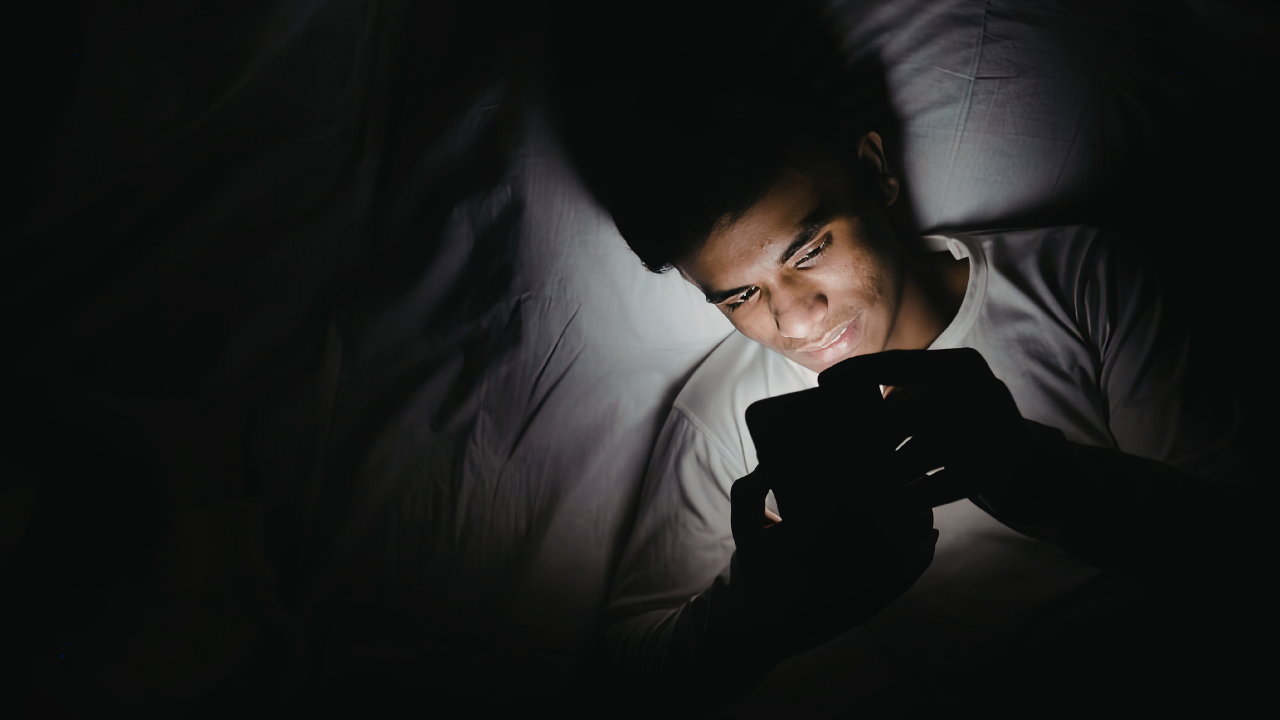
As we observe World Sleep Day today, under the theme “Sleep Well, Live Better”, we find ourselves at a digital crossroads. While we have never been more aware of the benefits of eight hours’ sleep, we have also never been more tempted to sacrifice that, like we are today.Despite our pursuit of better sleep, modern-day lifestyles with late nights have trapped us in a loop of digital indulgence. The main culprit behind this is the rise of the Over-The-Top (OTT) streaming platforms, which contribute to binge watching, followed closely by constant scrolling on social media. We are sacrificing restorative sleep for the lure of just one more episode, not realizing that the biological toll is higher than we think.The Allure Of Just One More EpisodeBinge-watching is not just a matter of lack of willpower; it is actually a carefully crafted psychological hook. The OTT platforms are designed to ignore our stop signals through features such as auto-play and cliffhanger storylines, which make us want to watch more.When we decide to watch a particular show at 11:00 PM, we invariably find ourselves glued to the screen even at 2:00 AM, which harms our sleep cycle not only for that day, but also our work performance the next day. This is actually known as Revenge Bedtime Procrastination, where people who have very little control over their lives during the daytime refuse to go to bed early in a bid to reclaim some freedom during the late hours of the night. However, this is actually an illusion that works to deliberately destroy our circadian rhythm, which in the long term is very harmful to our bodies.The Biological BacklashOur bodies operate on a delicate internal clock. When we expose ourselves to the blue light emitted by televisions, laptops, tablets, and smartphones, we suppress the production of melatonin, the hormone responsible for sleep. Some of the ill-effects of this include:1. Disrupted Sleep Cycles and Blue Light BlockageThe human brain doesn’t just turn off when we sleep; it cycles through specific stages, moving from light sleep to deep (Non-Rapid Eye Movement) and finally to REM.Our OTT devices emit high-intensity blue light. This light hits the melanopsin-containing receptors in your retina, which send a direct signal to the Suprachiasmatic Nucleus—the brain’s master clock. This signal suppresses the pineal gland from releasing melatonin. Melatonin is a natural hormone produced by the pineal gland in response to darkness, signaling the body to sleep and regulating the circadian rhythm.Depriving yourself of this makes the brain emotionally brittle and unable to distinguish between a minor inconvenience and a genuine crisis the next day.2. Cognitive Fog: The Failure of the Glymphatic SystemCognitive fog is the subjective feeling of a very real physiological backlog. Think of your brain as a high-performance engine that produces metabolic waste throughout the day. During deep sleep, the space between your neurons increases, allowing Cerebrospinal Fluid (CSF) to rush in and wash away metabolic waste products, such as beta-amyloid (the same protein linked to Alzheimer’s).Sleep is also when the brain performs synaptic scaling. It weakens unimportant neural connections made during the day so that the important ones (learning and memory) can stand out. When you compromise your sleep cycle for OTT, the trash isn’t picked up. Your synapses remain cluttered and noisy, leading to slower neural transmission speeds. This manifests as cognitive fog, characterized by problems in focusing and slow-motion thinking.3. Physical Health Risks: Autonomic DysregulationThe brain is the command center for your entire body’s physiology. Chronic sleep deprivation caused by late-night digital habits keeps the brain in a state of Hyperarousal. Staying awake late to watch stimulating content triggers the Hypothalamic-Pituitary-Adrenal (HPA) axis. This keeps your cortisol levels (the stress hormone) and norepinephrine abnormally high.Over time, this chronic fight or flight state leads to structural changes in the brain’s vasculature. The persistent elevation in blood pressure (hypertension) and the metabolic shift toward obesity are direct results of a brain that is being forced to stay awake when it should be recharging.Beyond OTT, doom-scrolling through social media feeds adds to the mental stimulation. The dopamine hits from the ‘likes’ and short-form videos keep the brain in a high state of arousal, making it nearly impossible to transition into a restful state.Reclaiming the Night: Practical SolutionsHowever, to fully live by the motto of “Sleep Well, Live Better”, we need to change the way we think about sleep. Sleep is neither a luxury nor a waste of time; it is the key to efficiency in our tasks during our waking hours. The solutions are simple, but need discipline:Digital Sunset: Just as the sun sets, so too should your digital devices. Try to turn off all OTT platforms and social media at least 60 minutes before bedtime. This will give your body the chance to produce melatonin naturally.The One-Episode Rule: If you absolutely have to watch something before going to bed, pick a show that has a definitive endpoint for the night. Turn off the auto-play feature on your streaming services to take back control of your viewing habits.Create a Sanctuary: Make the bedroom a screen-free zone. If your phone is your alarm clock, consider purchasing a traditional analog clock to take away the temptation of a quick scroll before drifting off to sleep.Mindful Transitioning: Swap out the blue light for low-stimulation activities. Reading a physical book will make your brain think, and you will feel tired after some time, which will lead to better sleep. Some gentle stretching or journaling can help your nervous system understand that the day is over.Sleep Well, Live BetterThis World Sleep Day, let us recognize that no plot twist in a thriller or no viral trend on social media is worth the degradation of our health by compromising on sleep. The “miracles” we seek—success at work, family time, and personal growth—cannot be built on a foundation of exhaustion. We all need rest so that we can wake up with more energy the next day to achieve our life goals with dedication.By choosing the pillow over the play button, we aren’t just going to sleep; we are choosing to live a more vibrant, focused, and healthier life.