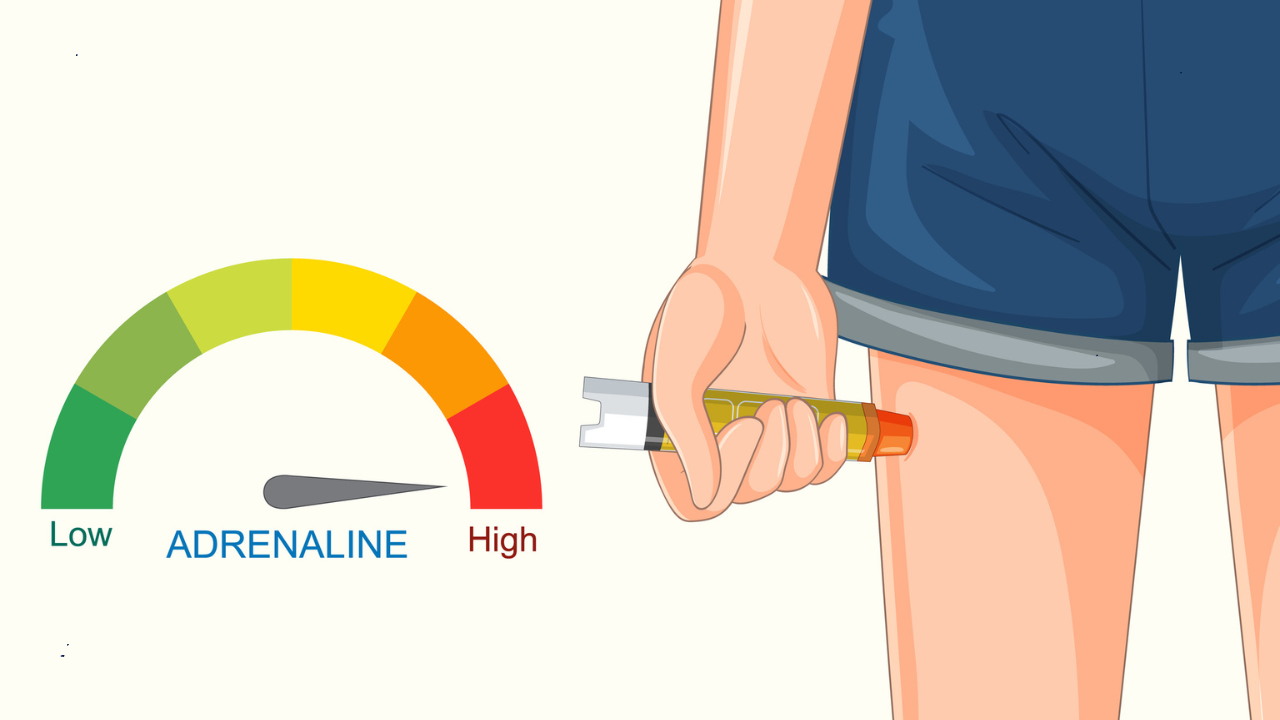
The UK government has mandated that all schools across the country stock life-saving allergy pens from September under new statutory guidance known as Benedict's Law.Published by the Department for Education (DfE), the guidance requires schools to keep adrenaline auto-injectors (AAIs), commonly known as allergy pens, on site. Teachers will also receive training to ensure they can respond quickly during emergencies, including administering the devices.The nationwide rollout follows campaigning by the National Allergy Strategy Group and families, including Helen and Peter Blythe, parents of Benedict Blythe, who died after suffering an allergic reaction at school in 2021.What Does the New Guidance SayUnder the new guidance, schools will also be expected to have clear allergy policies and healthcare plans, the DfE said."Today is a really important day for the thousands of families across the country who for too long have worried about keeping their children safe," said Education Minister Olivia Bailey."Benedict's Law means every single school will now have the training plans and the life-saving equipment in place to protect every child."The statutory guidance, which sets out what schools must do to adhere to the law, will come into force in September.From 2027, the same measures will become statutory duties and will apply to state schools, independent schools and fee-paying special schools. This means schools will be legally required to implement the changes.What Happened To Benedict Blythe?Also read: World Zoonoses Day 2026: Next Pandemic Very Likely, And The World Is Still Underprepared, Says WHO ScientistBenedict Blythe died after accidental exposure to cow's milk protein while at Barnack Primary School, between Stamford and Peterborough, in December 2021.Benedict was just 5 years old when he died following an allergic reaction at school.On the morning of 1st December 2021, he opened his advent calendar and happily went off to class, a few hours later he collapsed and died from anaphylaxis. He was allergic to dairy, eggs, peanuts, sesame and chickpeas.His mother, Helen Blythe, said she had worked with the school to put together an allergy action plan, but an inquest heard that process had not been followed."Had Benedict's Law and this guidance been in place when he'd been at school, he almost certainly would still be with us," Blythe said.She noted that the Benedict's Law meant children would be "stepping into an education system far safer than the one that has come before," BBC reported.She added there was a "significant gap" in schools' preparedness for children with allergies that would be addressed by Benedict's Law.According to research by the Benedict Blythe Foundation, 50% of schools in England do not have any spare medication, one-third have no allergy policy, and 70% do not have all the measures now being introduced."The publication of this guidance is the beginning of a new era for allergy safety," Blythe said."It will improve the safety of hundreds of thousands of children and ensure around one and a half million adults working in schools have the knowledge and confidence to recognize an allergic reaction and respond quickly in an emergency."What is Anaphylaxis?Read More: Bryan Johnson Blames Sugary Cereals, Soda and Stress for His Autoimmune Disease; Shares Treatment PlanThe Mayo Clinic defines anaphylaxis as a sudden, severe, and potentially life-threatening allergic reaction. It can occur within seconds or minutes of exposure to something you're allergic to, such as peanuts or bee stings.Anaphylaxis causes the immune system to release a flood of chemicals that can cause you to go into shock — blood pressure drops suddenly and the airways narrow, blocking breathing. Signs and symptoms include:Skin: itching, redness, swelling, hives that are widespread across the bodyMouth and/or throat: itching, swelling of lips, tongueStomach: vomiting, diarrhea, crampsRespiratory: trouble breathing, shortness of breath, wheezing, coughing, chest pain and/or tightnessHeart: weak pulse, dizziness, faintnessHeadache, nasal congestion, watery eyes, sweatingConfusion, feeling of impending doomLoss of consciousnessCommon triggers include certain foods, some medications, insect venom and latex. How Do Allergy Pens Work? The first-line treatment for anaphylaxis is epinephrine (adrenaline), which is available by prescription as an auto-injector or nasal spray. It works by reversing the life-threatening symptoms of a severe allergic reaction. Delays in using epinephrine are common in fatal food allergy reactions. Other medications, such as antihistamines, are not adequate substitutes because they do not reverse airway swelling or raise dangerously low blood pressure. Allergists advise that everyone with food allergies carry their epinephrine delivery device at all times, particularly those who have previously experienced anaphylaxis, have both food allergies and asthma, or are allergic to peanuts, tree nuts, fish or crustacean shellfish.