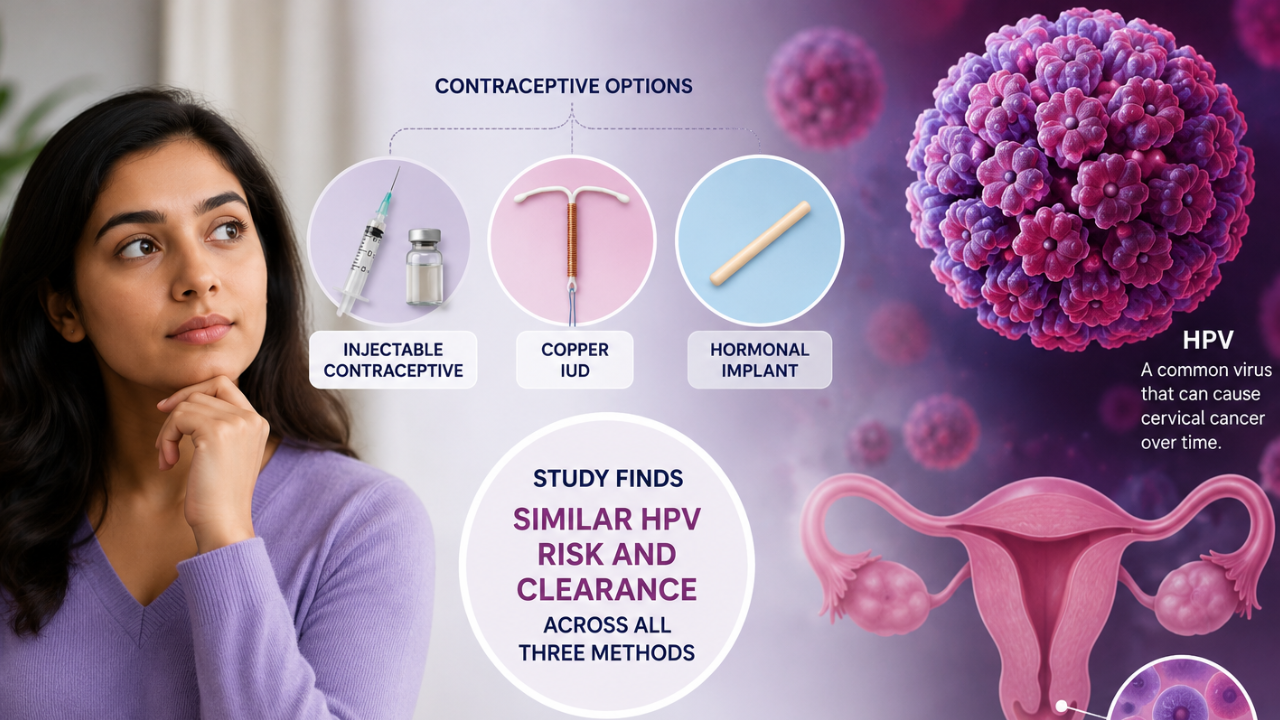
Women who are conflicted while choosing between an injectable contraceptive, a copper intrauterine device (IUD) or a hormonal implant may not need to worry about its impact on human papillomavirus (HPV). What Is Human Papillomavirus (HPV)? HPV is one of the most common sexually transmitted infections worldwide. While many HPV infections go away on their own without causing problems, some high-risk types can persist and increase the risk of cervical cancer in the long run. Before this study, scientists debated whether hormonal contraceptives could affect a woman's immune response, making it easier to contract HPV or harder for the body to clear the infection. Birth Control Choice May Not Influence HPV Risk According to a new study published in The Lancet Regional Health – Africa, your choice of contraception may not have an impact on the risk of contracting HPV. Researchers found that women using a commonly used injectable contraceptive known as depot medroxyprogesterone acetate (DMPA-IM), copper IUDs, and levonorgestrel implants had similar chances of contracting HPV and clearing existing infections. About The Lancet Study Also read: You Can Still Get HPV If You're Not Sexually Active The researchers examined data from women who participated in the large ECHO (Evidence for Contraceptive Options and HIV Outcomes) clinical trial. Participants were randomly assigned to one of three contraceptive methods: Depot medroxyprogesterone acetate (DMPA-IM) injectable contraceptive Copper IUD Levonorgestrel implant They then compared how often women acquired HPV during the study and how often those who already had HPV were able to clear the infection naturally. The analysis found no meaningful differences between the three contraceptive methods. Women using the injectable contraceptive were no more likely to acquire HPV than those using a copper IUD or a hormonal implant. Similarly, women across all three groups cleared HPV infections at comparable rates. Significance Of The Study Also read: Teplizumab: UK NHS To Roll Out World-First Drug To Delay Onset Of Type 1 Diabetes Earlier studies finding the link between hormonal contraceptives and HPV have reported mixed results. Some suggested that hormonal birth control might increase the risk of HPV infection or make infections last longer, while others found no clear outcomes. This new research provides stronger evidence because it is based on a randomized clinical trial. The findings suggest that the type of contraceptive a woman chooses is unlikely to have an impact on her risk of getting HPV or her body's ability to clear the infection. Women Can Take Control Of Their Contraceptive Choice The study allows women to choose between these commonly used contraceptive methods based on factors such as effectiveness, convenience, side effects, and personal preference, rather than concerns about HPV risk. However, experts stress that no contraceptive method protects against sexually transmitted infections, including HPV. Using condoms can help reduce the risk of HPV and other STIs. The human papillomavirus causes more than 200 known infections. While some types lead to benign skin warts, others are responsible for severe health threats, such as cervical, throat, anal, and penile cancers. The HPV vaccine provides strong protection against the most lethal strains, avoiding long-term health complications. The HPV vaccine helps the immune system recognize and fight off high-risk strains of the virus before they cause harm. It protects against: Genital warts Cervical cancer Vaginal, vulvar, anal, and penile cancers Mouth, throat, head, and neck cancers linked to HPV Experts also stress that HPV vaccination and regular cervical cancer screening remain the most effective ways to prevent cervical cancer and detect abnormal changes early.