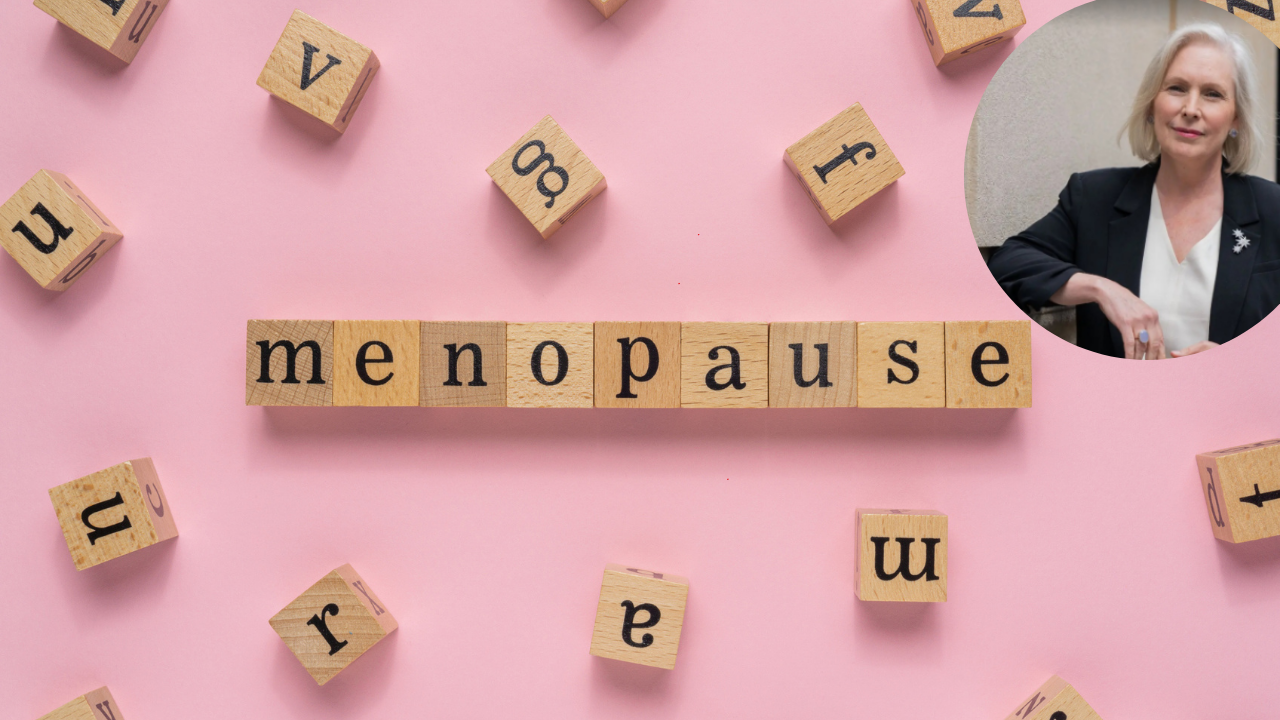
For the first time, the US Congress is set to hold a dedicated hearing on menopause, putting a long-overlooked women’s health issue under the national spotlight. Convened by Sen. Kirsten Gillibrand (D-N.Y.), the hearing will be held by the Senate Committee on Aging.Titled “Half the Country, Zero Hearings: Meeting the Moment to End the Menopause Care Gap in America,” the hearing will focus on the gaps in menopause research and care in the US. Gillibrand is the senior Democrat on the committee and can lead one hearing each year on a topic of her choice. She chose menopause.“It's time to talk about menopause. Half of our country will go through it, yet it is one of the most under-researched, undertreated, and underdiagnosed fields of medicine,” the 59-year-old Democrat leader shared in a post on X.“This week, I'm holding the first-ever congressional hearing on menopause to demand high-quality research and care for women across America,” she added.Why Is Menopause Getting Congressional Attention?Gillibrand has described menopause as an issue that has long been ignored, particularly amid debates over the Trump administration’s scientific research cuts and health care affordability.Also read:‘I Was Vocal About Cancer But Silent About Menopause Out Of Shame’, Says Actress Lisa RayShe said the hearing also aims to address the impact of menopause symptoms on women’s lives and sexual health.“We spend billions of dollars on Viagra to make sure men can have sex — what have you done to make sure women can have sex?” she said, the New York Times reported.Gillibrand also plans to call for bipartisan legislation to boost federal research on menopause.Menopause Care Gap In The US“I’ve used my one hearing on the most under-researched, underreported, underanalyzed issue for women’s health, ever,” Gillibrand said. “From 50 to 58, I had either night sweats or hot flashes. I had to really look for a doctor who could take me through the hows and the whys and the impacts.”Read More: Is Hormone Replacement Therapy (HRT) A Boon To Women's Health During Menopause? Gillibrand said the government has long failed to devote federal resources to menopause and contended that the Trump administration has made the situation worse.She cited the Food and Drug Administration’s recent decision to remove so-called black box warnings from all hormone replacement products containing estrogen.“I’m wondering why they want women to have less information,” she said.What Is Menopause? Menopause marks the end of a woman’s reproductive years and occurs when menstruation permanently stops. Clinically, it is diagnosed after 12 consecutive months without a menstrual period. Most women experience menopause between 45 and 55, although perimenopause can begin several years earlier. During perimenopause, the ovaries gradually produce less estrogen and progesterone, the hormones that regulate the menstrual cycle. This hormonal decline can cause symptoms that vary widely among women. While common symptoms including hot flashes and night sweats, sleep disturbances, mood changes and irritability and vaginal dryness, for some women the drop in estrogen levels can also be associated with health concerns including osteoporosis, heart disease and, in some cases, metabolic disorders. Regular health checkups, balanced nutrition and physical activity during midlife are important. Hormone Replacement Therapy may also help manage menopause symptoms for some women, depending on their individual health profile and medical history.