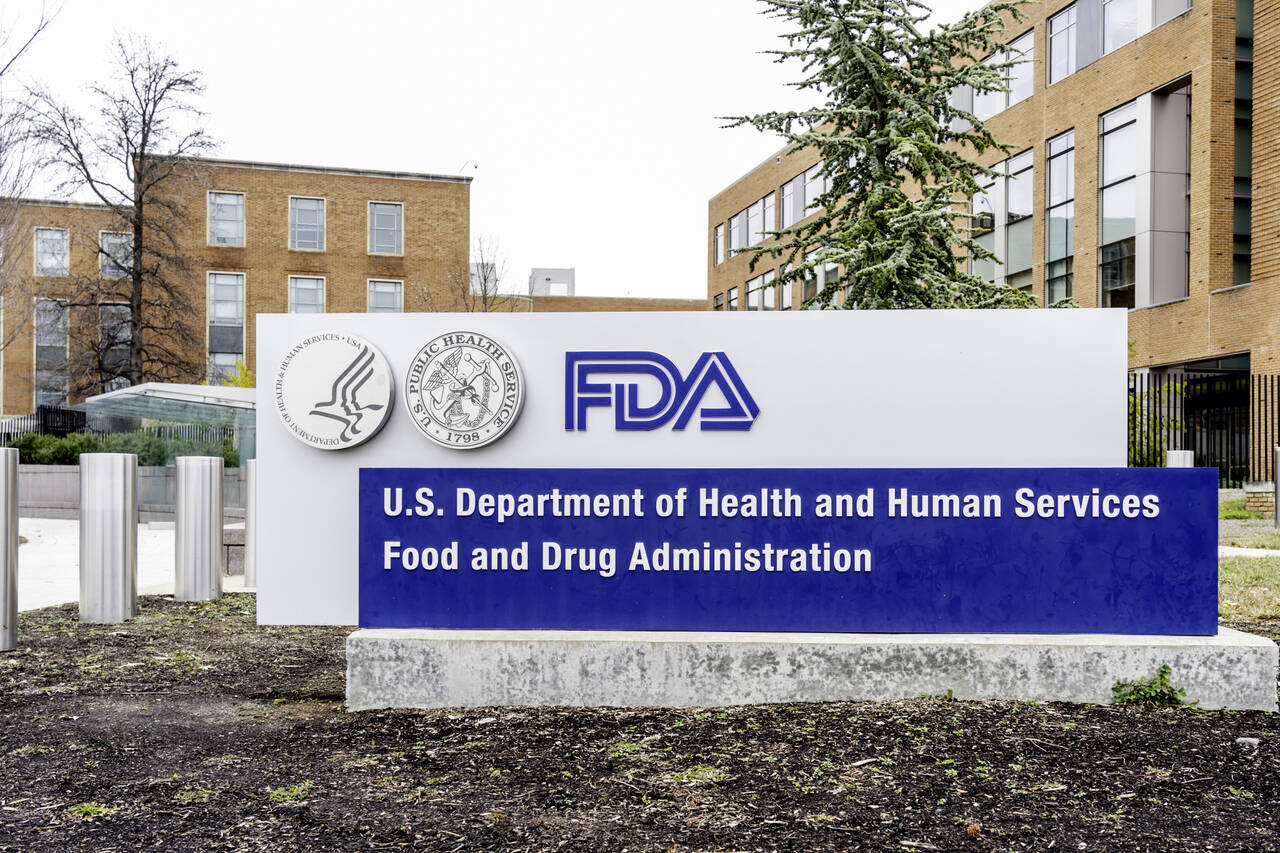
The US Food and Drug Administration (FDA) has announced to hold a public hearing on the potential therapeutic use of psychedelic drugs, as the Donald Trump administration pushes to accelerate research and development of these treatments for serious mental illnesses. The hearing, it said, will examine their potential use in supervised and supportive settings, including patient safety, provider training, access and data collection. In a statement, the FDA said it is collaborating with federal partners and holding “this public hearing to obtain feedback and perspectives on issues associated with the potential future therapeutic use of drug products containing a psychedelic drug substance in supervised and supportive settings”. What Will The FDA Hearing Discuss? Also read: Ibogaine: Why Donald Trump Is Pushing US FDA To Fast-track This PsychedelicThe hearing will focus on what would be needed for the potential therapeutic use of psychedelic drugs in supervised and supportive settings. Key areas include: Provider training and credentialing Patient safety Access to treatment Data collection and standardization Emerging research shows psychedelics can help improve mental health, especially in conditions where traditional treatment approaches have not been useful. However, these drugs also come with several health risks that cannot be overlooked.The hearing is part of broader US efforts to increase clinical trial participation, data sharing and real-world evidence on psychedelic drugs. The FDA hearing does not amount to approval of psychedelic treatments. Instead, it could help shape how the US approaches their potential future use in medical care. What Does This Mean For Depression And PTSD? The FDA has already taken steps to speed up the development of psychedelic treatments for mental health conditions. In April 2026, the agency issued national priority vouchers to companies studying psilocybin for treatment-resistant depression (TRD), psilocybin for major depressive disorder (MDD), and methylone for post-traumatic stress disorder (PTSD). The FDA has also granted Breakthrough Therapy designation to psychedelic drug programs involving MDMA for PTSD and psilocybin for TRD and MDD. Research over the past decade has suggested that MDMA-assisted therapy may help reduce PTSD symptoms, while psilocybin-assisted therapy has shown promise for treatment-resistant depression in clinical studies. For people who do not get lasting relief from existing treatments such as antidepressants and psychotherapy, psychedelic-assisted therapy could potentially offer another treatment option. However, these designations and regulatory steps do not mean that these drugs have been approved as safe or effective treatments. Neither a national priority voucher nor Breakthrough Therapy designation is a substitute for FDA marketing approval. Read More: Psychedelic Compound Found In 'Magic Mushrooms' May Help Prevent Painful Chemotherapy Side Effects, Study Finds Why Is The US Accelerating Psychedelic Research? The push has expanded beyond the FDA. In 2026, the White House, Congress and the Department of Veterans Affairs (VA) have also become involved in efforts to accelerate research into psychedelic treatments, including psilocybin, MDMA and ibogaine. The US Department of Health and Human Services (HHS) has partnered with the VA to accelerate the development of psychedelic-assisted therapies for veterans with conditions including PTSD, depression and traumatic brain injury. Separately, a bipartisan group of lawmakers introduced a bill that would require the US Department of Defense to evaluate whether ongoing psychedelic research, particularly involving psilocybin, could benefit active-duty service members and veterans transitioning to civilian life.