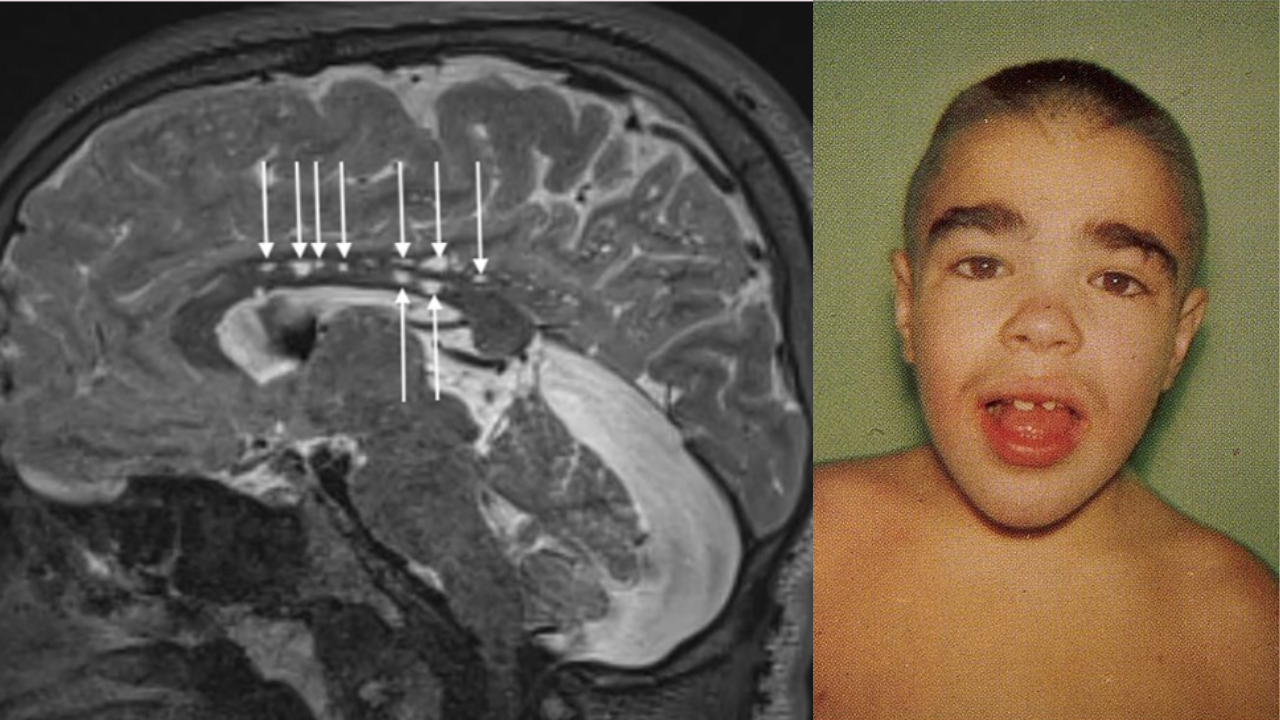
The US Food and Drug Administration (FDA) has approved a drug therapy to address neurologic symptoms of a rare genetic disorder — Hunter syndrome. The X-chromosome-linked disease, occurring predominantly in males, has an estimated 2,000 affected individuals worldwide. The drug Avlayah, developed by pharma company Denali Therapeutics, targets certain individuals with Hunter syndrome (Mucopolysaccharidosis type II or MPS II). It is the first therapy to address the neurologic complications of Hunter Syndrome, such asprogressive cognitive decline, behavioral problems, hydrocephalus, spinal cord compression, seizures, carpal tunnel syndrome.“Today is a milestone day for children and their families battling Hunter syndrome,” said FDA Commissioner Marty Makary, in a statement. “Avlayah is the first product approved to address neurologic complications of Hunter Syndrome, a very rare and often severe X-linked disorder in children, affecting about 500 people in the US, almost exclusively males,” added Acting CDER Director Dr. Tracy Beth Hoeg.The FDA noted that Avlayah, the once-weekly drug given via IV infusion, must begin in presymptomatic or symptomatic pediatric patients weighing at least 5 kg before advanced neurologic impairment.What Is Hunter Syndrome?Hunter syndrome is a rare inherited lysosomal disorder in which sugar molecules called glycosaminoglycans build up within the cells’ lysosomes. The condition affects physical and mental development and causes abnormalities in the skeleton, heart, respiratory system, brain, and other organs.Hunter syndrome is a rare congenital metabolic disease. It was first reported in 1917 by a Canadian physician, Charles Hunter, in two brothers in a family. The brothers presented typical signs, such as short stature, inguinal hernia,macroglossia, enlarged skull, decreased hearing, coarse facial features, protruded abdomen with hepatosplenomegaly, umbilical hernia, skeletal deformities. The younger brother had symptoms of Central Nervous System (CNS), including seizures and cognitive decline, while the older brother did not have CNS involvement.The estimated incidence is 1 in 162,000 live male births.How The FDA Approved AvlayahThe FDA approval came after Avlayah showed promise in reducing cerebrospinal fluid heparan sulfate — one of the glycosaminoglycans that accumulates in the body in this disorder and is linked to the organ damage that occurs in early childhood.The phase 1/2 multi-cohort, single-arm, open-label trial enrolled 47 pediatric patients with Hunter syndrome aged 3 months to 13 years. Of these, 44 patients with measurements at had a 91 percent average decrease from baseline in CSF.Denali is now conducting a randomized clinical trial that is more than 95 percent enrolled to evaluate the clinical benefit of this product. "In the meantime, families with young children with Hunter Syndrome will have access to a product that may favorably alter the course of the disease at the crucial time in life when there is the greatest potential for benefit," Hoeg said.Are There Any Side Effects?Avlayah’s labeling includes a boxed warning for allergic reactions, including anaphylaxis, associated with the drug. The FDA recommended that patients start therapy in a health care setting with appropriate medical monitoring and support measures. The common side effects of Avlayah include upper respiratory tract infection, ear infection, fever, anemia, cough, vomiting, diarrhea, rash, COVID-19, runny nose, nasal congestion, fall, headache, skin abrasion, hives. The FDA also suggested that healthcare workers monitorhemoglobin levels due to the risk of anemia, kidney function and urine protein levels due tothe risk of membranous nephropathy (a kidney disease).