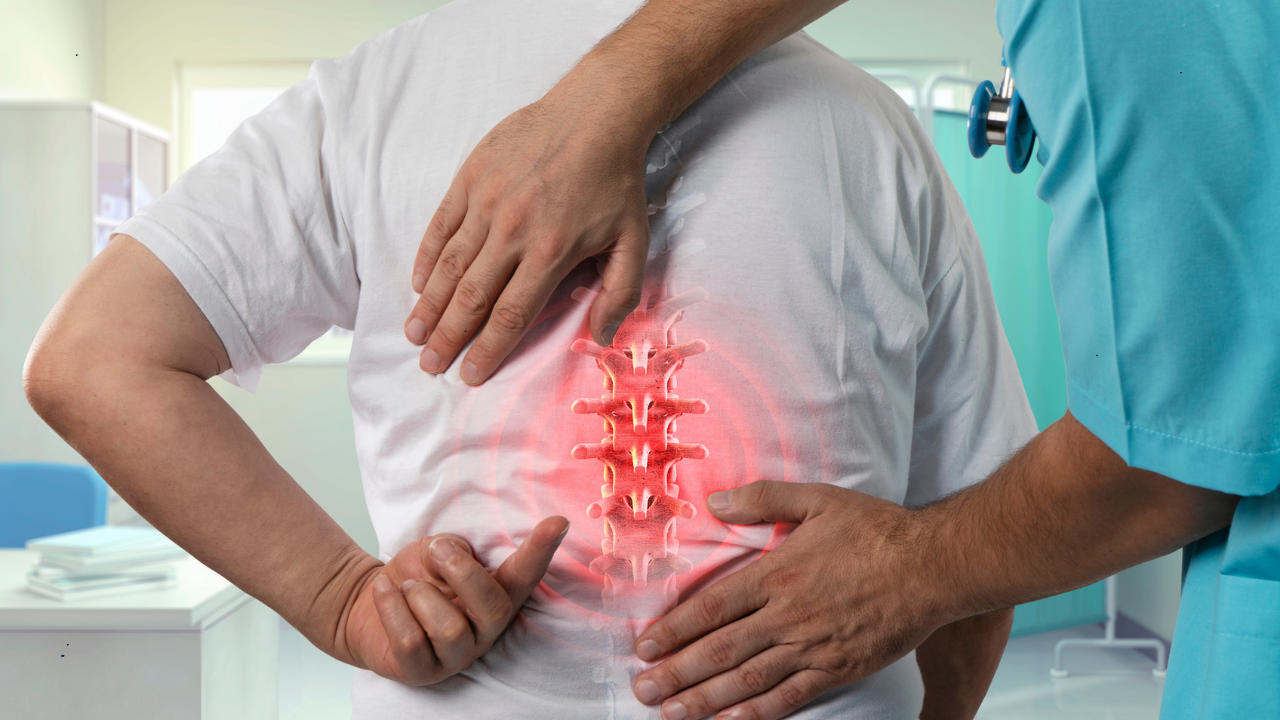
Persistent back pain is often ignored as a minor issue, but when it continues or worsens over time, it may be a sign of an underlying spinal condition. One such condition is spinal stenosis, which involves narrowing of one or more spaces within the spinal canal. It can develop due to age-related changes, herniated discs, thickened ligaments, or previous injuries, most commonly affecting the lower back and neck. Since spinal stenosis progresses slowly and symptoms may appear mild at first, early detection becomes crucial to prevent long-term complications, including permanent nerve damage.Why Is It Dangerous If Untreated?In its early stages, spinal stenosis may cause mild discomfort, tingling, or numbness. However, as the narrowing worsens, pressure on the nerves increases. This can lead to chronic pain, weakness in the limbs, and difficulty walking or maintaining balance.If ignored for a long time, the condition can result in permanent nerve damage. In severe cases, patients may experience loss of bladder or bowel control, a medical emergency that requires immediate attention. Delayed treatment reduces the chances of reversing nerve damage, making early recognition more important.What Are The Warning Signs To Watch Out For?While occasional back pain is common, certain symptoms indicate something more serious:Persistent back or neck pain that worsens over timeNumbness or tingling in the arms, legs, or feetMuscle weakness or reduced strengthDifficulty walking or maintaining balancePain that radiates down the legs, especially while standing or walkingHow Can It Be Diagnosed?Diagnosis of spinal stenosis focuses on identifying the extent of spinal narrowing and its impact on nerve function. It usually begins with a detailed assessment of symptoms and physical movement, followed by imaging tests such as spine X-rays, MRI, and CT scans. In some cases, a CT myelogram may be advised for a more detailed view of the spinal canal and nerve compression. These tests help confirm the condition, locate the affected area, and determine its severity.How Can It Be Treated?Treatment depends on how advanced the condition is. In the early stages, simple measures are usually recommended, such as regular exercises like walking or stretching, correcting posture, making ergonomic changes in daily routine, maintaining a healthy weight, and avoiding activities that strain the spine. However, in more severe cases where nerve compression significantly affects daily functioning, certain procedures may be required. Minimally invasive spine decompression (MISD) is a modern surgical approach designed to alleviate pressure on spinal nerves while preserving as much of the natural spinal structure as possible. Unlike the traditional laminectomy, which often involves significant removal of bone and muscle, MISD focuses on precision and stability. Spinal fusion joins two or more bones in the spine to improve stability and reduce excessive movement. What Are The Tips To Prevent Spinal stenosis?Preventing spinal stenosis or slowing its progression involves a combination of lifestyle changes and early care:Stay physically active: Regular exercise helps strengthen the muscles supporting the spine and reduces strain.Maintain good posture: Proper sitting and standing posture prevents unnecessary pressure on the spine.Avoid prolonged sitting: Taking frequent breaks helps reduce stiffness and improve spinal flexibility.Manage body weight: Excess weight increases pressure on the lower spine, worsening the condition.Be mindful while lifting: Using correct techniques prevents sudden strain or injury to the spine.Back pain should not always be taken lightly. What may seem like a minor issue could be an early sign of Spinal Stenosis. Ignoring symptoms can lead to irreversible nerve damage and long-term disability. With early diagnosis, proper lifestyle changes, and expert care, it is possible to manage the condition effectively and maintain a good quality of life.