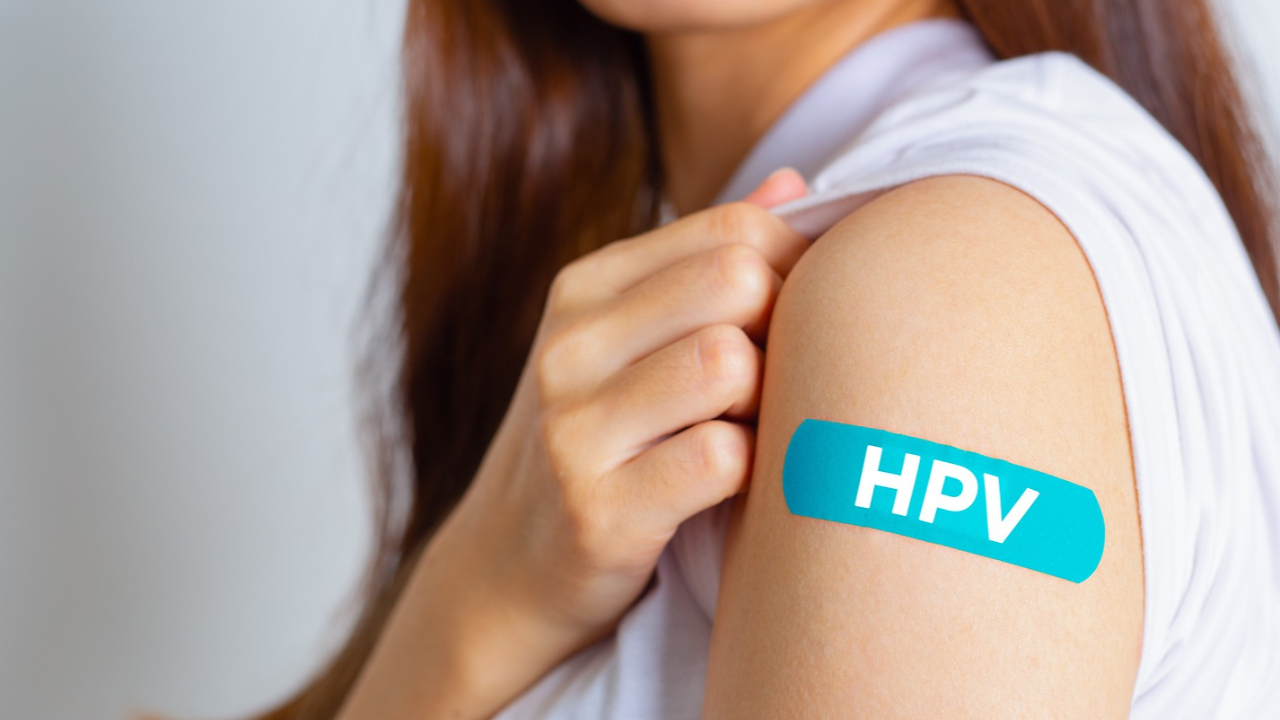
The United States is steering towards a new way to screen cervical cancer. A recent federal health guidance recommended human papillomavirus (HPV) testing over the traditional Pap smear for women aged 30 to 65 years. The updated recommendations also introduce a self-collection option, which can help eligible women to collect their own samples instead of undergoing a pelvic examination for initial screening.The change is aimed to improve cervical cancer prevention and make screening more accessible, especially to women who avoid testing mainly due to discomfort, anxiety, embarrassment or other reasons.But the Pap smear method has not been completely phased out. Women can still opt for alternative screening methods depending on their preferences and other clinical reasons.HPV Test Recommended Over Pap Smear For Women Aged 30–65Also read: World Cervical Cancer Elimination Day 2026: WHO Calls For HPV Vaccination, Screening & Early TreatmentUnder updated federal guidance from the Health Resources and Services Administration (HRSA), women aged 30 to 65 years, who are at risk of cervical cancer, should undergo primary high-risk HPV (hrHPV) testing every five years as the preferred screening method.HPV testing looks for specific strains of human papillomavirus that can cause changes in cervical cells and eventually lead to cancer development. Repeated infections with certain high-risk HPV types is responsible for a majority of cervical cancer cases.Unlike a Pap smear, which looks for abnormal or precancerous changes in cervical cells, an HPV test identifies the presence of the virus that can cause those changes. Detecting high-risk HPV infections can help identify women who may need closer monitoring before cancer develops. For women aged 30 to 65 years, the updated guidance recommends:Primary HPV testing: Every five years, the preferred screening option.HPV and Pap smear together: Co-testing every five years is an alternative.Pap smear alone: Every three years if HPV testing is unavailable.Women Can Collect Their Own HPV SamplesAlso read: India Administers 1 Crore HPV Vaccine Doses In 9 Months, Covering 87% Of Eligible GirlsOne of the major changes in the new guidance is the inclusion of self-collected HPV testing as an option for women aged 30 to 65 years at risk.Self-collection allows women to obtain a vaginal sample using a collection device, which is then tested for high-risk HPV. This can help combat some of the barriers women may face in traditional cervical screening, including the need for a pelvic examination in the initial testing process. It can help women who find speculum examinations intolerable and have limited access to clinics. Dr. Sangini Sheth, an associate professor of obstetrics, gynecology and reproductive sciences at Yale School of Medicine, told NBC News, “The self-collection is great for people who might have a hard time tolerating a speculum exam, and it also broadens our ability to offer screening in different scenarios, through mobile health clinics, maybe through a freestanding lab or in medical specialty offices where traditionally pelvic exams aren’t being done."When Will The New Guidelines Be Implemented? The updated guidance was accepted by HRSA and announced in January 2026. Most health insurance plans are expected to begin covering the updated screening recommendations from 2027.The coverage provisions also include additional testing to complete the cervical cancer screening process like cytology, colposcopy, biopsy and other clinical investigations.Cervical cancer is preventable through HPV vaccination, regular screening and timely treatment of precancerous changes. High-risk HPV infections can exist for years without causing symptoms. Screening can detect these infections or the cellular changes they may cause before they progress to cancer.