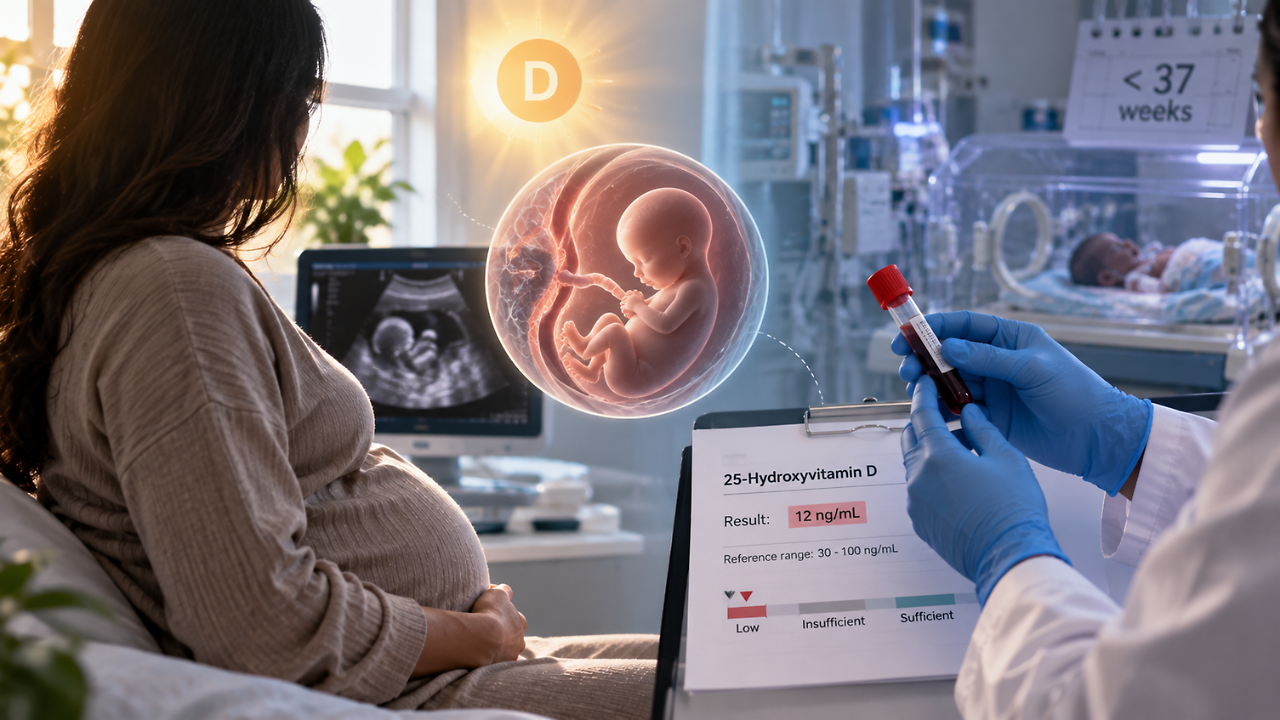
Low levels of vitamin D during pregnancy could be linked with a higher risk of preterm birth. The strongest link were seen among women who delivered very prematurely, according to a recent study.Researchers from the Medical University of South Carolina studied health data from 15,506 pregnancies in which the vitamin D levels of expectant mothers measured during pregnancy. The study, published in the Journal of Perinatology, found that women with lower levels of 25-hydroxyvitamin D, the main blood marker used to assess vitamin D status, were more likely to deliver before 37 weeks.The association was even more pronounced among women who delivered before 32 weeks, a group which is considered very preterm.What Did The Study Find?Of the 15,506 deliveries, 13,451 were at term, while 1,652 were moderately preterm and 385 occurred before 32 weeks. The researchers found that women who delivered preterm had lower average vitamin D concentrations than those who delivered at term. The lowest vitamin D levels were seen among women who delivered before 32 weeks.Nearly 45% of women had a vitamin D level below 30 ng/mL at some point during pregnancy, while about 66% had levels below 40 ng/mL. The researchers adjusted their analysis for maternal age, race and ethnicity and insurance status, and the association between higher vitamin D levels and lower odds of preterm birth remained same.But, this was a retrospective observational study, meaning it can identify an association but cannot prove that low vitamin D itself caused an early delivery. Other factors that influence both vitamin D levels and pregnancy outcomes may also play a role.Also read: Ferritin Face: Can Pale Skin Signal Iron Deficiency?Vitamin D And Pregnancy Vitamin D is best known for its role in calcium absorption and bone health, but it also plays a role in immune function, placental development and other processes involved in pregnancy.Researchers say several biological mechanisms could potentially explain the association with preterm birth, including effects on inflammatory pathways, placental function and fetal growth.The findings also add to previous research. A 2025 NIH-funded study involving 351 first-time mothers found that women with vitamin D levels below 40 nmol/L during the first trimester had 4.35 times the risk of preterm birth compared with women whose levels were above 80 nmol/L.Another import aspect is that the new study shows that lower vitamin D levels are associated with earlier delivery, but it does not show that raising vitamin D levels will prevent preterm birth.A Cochrane review found the evidence for vitamin D supplements reducing preterm birth is not certain or confirmed. The NIH's current guidance notes also state that there is insufficient evidence to recommend routine vitamin D supplementation specifically to prevent preterm birth.The researchers say randomised clinical trials are needed to determine whether optimising vitamin D levels during pregnancy can actually reduce the risk of preterm birth.