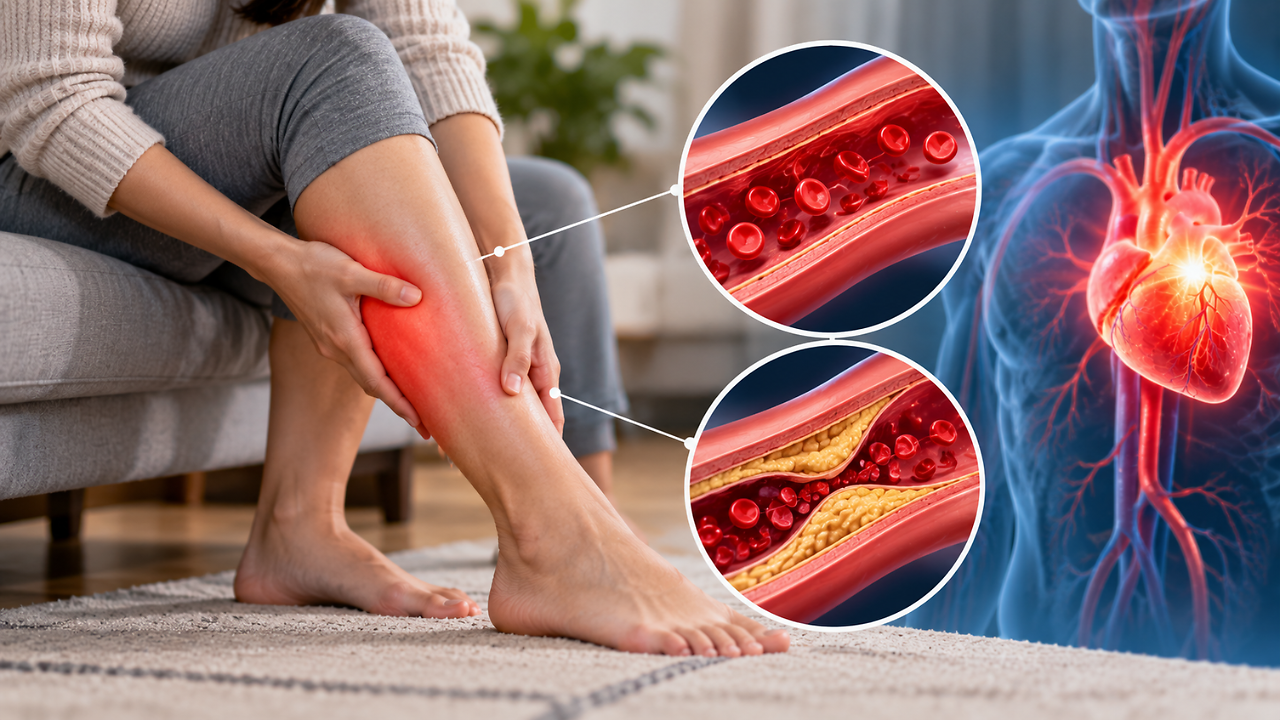
One may dismiss a recurring ache in the calf or thigh while walking may as a muscle problem, especially if it settles after sitting or resting. But leg pain that repeatedly appears while walking and eases after resting can sometimes be due to a circulation problem called peripheral artery disease (PAD). The condition occurs when arteries that carry blood to the legs become narrow, usually because of atherosclerosis, which is the buildup of fatty deposits inside blood vessels. PAD can be a major sign that the same process is also affecting arteries in the heart and brain, signalling a major cardiovascular risk.Women May Overlook The SymptomsPAD can be difficult to identify as it comes with ordinary symptoms that could be tied to ageing or injury.Women may neglect it as they may experience less obvious symptoms, including leg fatigue or weakness rather than cramping. This is because the condition is affected by ageing, fitness, or a musculoskeletal issue.Apart from pain during walking, possible symptoms include:Coldness in one foot or legNumbness or weaknessChanges in the colour of the skinShiny skin or loss of hair on the legsSlow-growing toenailsSores on the feet or legs that heal slowlyPain in the feet or toes, particularly at rest in more advanced diseaseSome people may have no noticeable symptoms, which can allow PAD to progress without being recognised, leading to serious complications.Also read: Pomegranate Compound Improves Heart Function By Up To 80% In Early Heart Failure StudyCanada Is Focusing On PAD The disease has prompted a new Canadian National Action Plan for Peripheral Artery Disease, developed by vascular medicine experts with the Canadian Society of Vascular Medicine and Prevention. The plan calls for greater public awareness, early diagnosis, better access to ankle-pressure testing, supervised exercise programmes and specialised care for people with PAD. The Canadian authors also said that PAD can be difficult to diagnose in rural and remote communities and among Indigenous Peoples and other underprivileged populations, where access to preventive care and vascular specialists may be limited. Delayed diagnosis can mean that people are only identified after complications like non-healing wounds or in severe cases, amputation.Also read: 100% Blockage At 18, 25% Patients Under 40: On World Heart Day, Cardiologists Reveal An Alarming Heart Attack PatternPAD Is Linked To Heart Attack And StrokePAD happens when narrow and blocked arteries reduce the blood flow to the legs. When the muscles need more oxygen during walking or exercise, the reduced circulation can lead to uncomfortable pain. This symptom is called intermittent claudication. The pain usually develops in the calf, thigh or buttocks while walking. It subsides or improves after sitting down or resting the legs. But not everyone experiences this symptom. Some may instead face tiredness in the legs, weakness, numbness or just discomfort, making it easier to dismiss the symptom.The arteries in the legs are not isolated from the rest of the circulatory system. PAD is usually caused due to atherosclerosis, the same underlying process that could lead to thinner arteries supplying blood to the heart and brain. As a result, having PAD can indicate a higher risk of heart attack, stroke and other cardiovascular complications. PAD risk increases with age, but several other lifestyle factors can contribute. These include: SmokingDiabetesHigh blood pressureHigh cholesterolFamily history of vascular diseaseDiabetes is most likely to contribute to PAD because persistently high blood sugar can damage blood vessels and increase the risk of atherosclerosis. When To Seek Medical Intervention? If leg pain or unusual tiredness keeps interrupting your life, it is worth getting evaluated, particularly if you have diabetes, smoke or have high blood pressure or cholesterol. Doctors may assess circulation using an ankle-brachial index (ABI), which compares blood pressure in the ankle with blood pressure in the arm. Treatment may include lifestyle changes like increasing physical activity, quitting smoking and medicines to manage cholesterol, blood pressure, and blood clotting risk. Severe blockages may also require medical procedures.