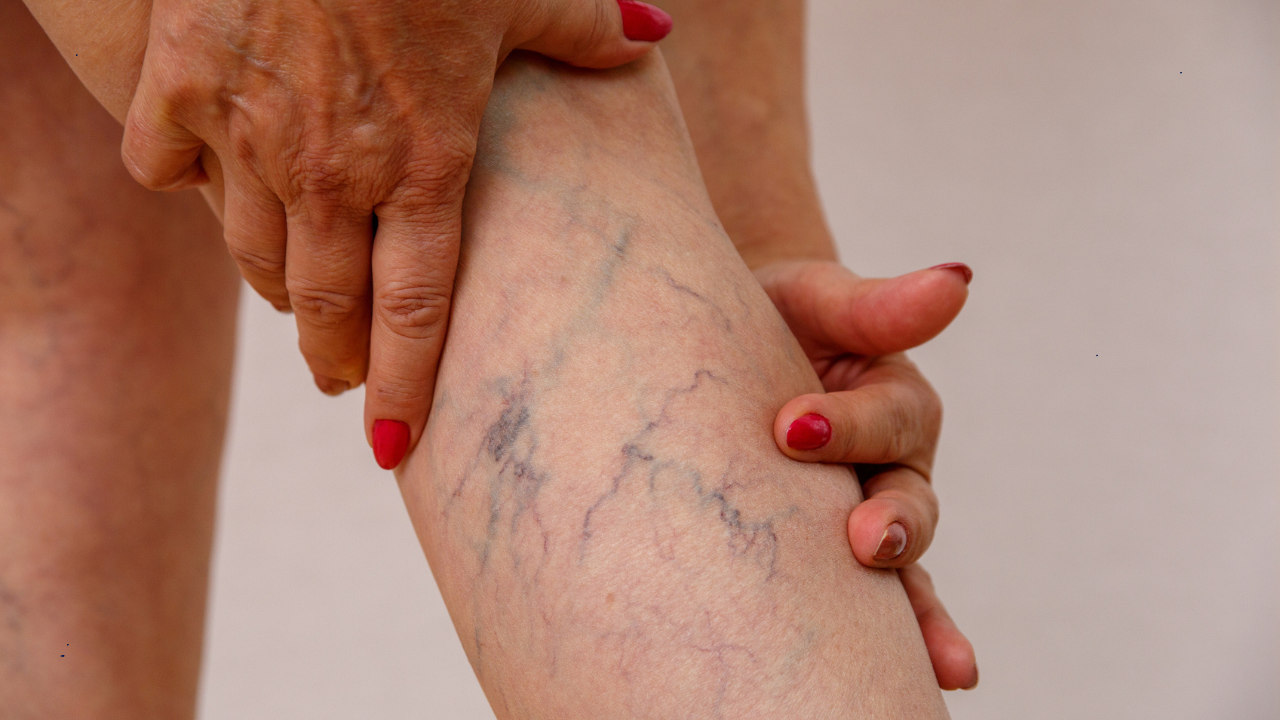
The common perception about varicose veins is that they are merely an aesthetic or cosmetic problem. Varicose veins are indeed enlarged, twisted blood vessels that many people believe are not life-threatening. But the reality is that the condition may be a symptom of something more serious. The disease manifests itself through insufficient blood supply in the body caused by faulty valves. As the blood vessels cannot effectively move the blood from the veins back to the heart, the blood tends to accumulate in the veins themselves. Other symptoms may include pain, heaviness, swelling, and skin sores in severe cases. What Are The Causes Of Varicose Veins?Varicose veins don’t develop overnight; they are usually the result of multiple underlying factors that gradually affect vein health and blood flow: 1. Valve dysfunction and poor circulation: Healthy veins rely on tiny valves to prevent backflow. When these valves weaken, blood starts collecting in the veins, leading to increased pressure and visible swelling.2. Prolonged standing or sitting: These days, occupations require long hours of standing, which can hinder proper blood circulation and increase the risk.3. Hormonal changes: Hormonal fluctuations during pregnancy, menopause, or while using hormonal therapies can relax vein walls, making them more prone to dysfunction.4. Genetics: A family history of varicose veins significantly raises the likelihood of developing them, indicating a hereditary component in vein wall strength and valve efficiency.5. Obesity and lack of physical activity: Excess body weight puts additional pressure on veins, while a sedentary lifestyle reduces the efficiency of blood circulation, leading to vein damage over time.6. Ageing: As people age, veins lose elasticity, and valves may wear out, making older adults more susceptible to developing varicose veins.What Are The Tips To Take Care Of?People can manage or reverse varicose veins by: Making sure blood is circulating well in the body: An inactive lifestyle or standing for long periods can lead to increased risks of vein disease. Exercise and movement, along with raising the legs, will ensure that blood continues circulating well.Maintaining a healthy weight: Obesity can lead to increased pressure on the veins of the legs. Maintaining a healthy body weight is important to avoid and treat varicose veins.Wear compression stockings: Compression stockings apply gentle pressure to the veins, which enables them to circulate blood effectively and avoid swelling and other conditions.See a vein specialist if necessary: In cases of persistent pain, discoloration of skin, severe itching, or sores that don't heal, it is advised to see a vein specialist, as these symptoms could signal something worse.How Can It Be Treated? Varicose vein treatment procedures have become much easier in the modern world. Varicose veins can now be treated with minimally invasive procedures that address the problem at its root cause. These minimally invasive treatments include EVLT (Endovenous Laser Treatment), Radiofrequency Ablation (RFA), and glue ablation. A laser fibre is inserted into the varicose vein during this operation, where it effectively closes it off.Blood is automatically redirected through other veins after this treatment, which is relatively quick and involves local anesthesia. Patients generally recover within one day. However, EVLT is much less painful, safer, and does not involve leaving scars behind. Varicose veins are often a symptom of vein disease and thus not just a cosmetic problem. They can be a visible sign of an underlying circulatory issue. Paying attention to early symptoms and seeking medical advice can help prevent complications and improve overall vascular health. Preventing further problems is easy when one knows what to do.