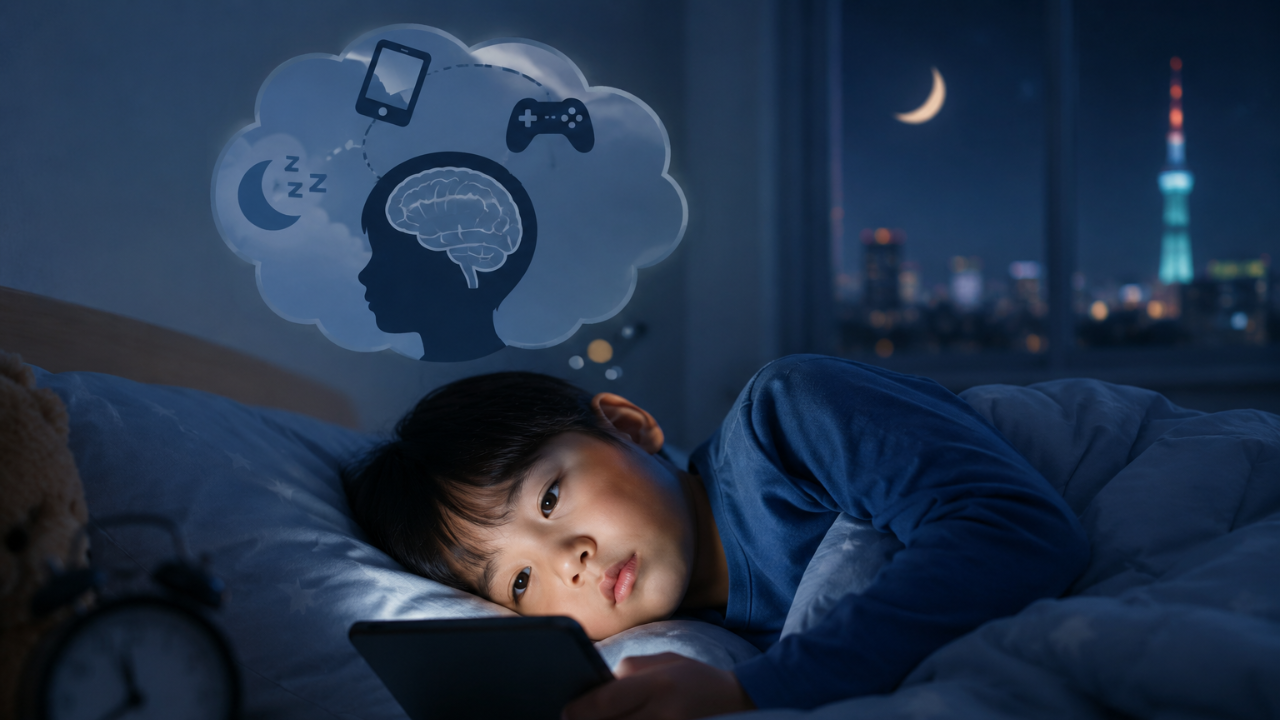
South Korea is experiencing a sharp rise in sleep disorders across all age groups, but the fastest increase is among its youngest population. New government data suggests that the number of children under the age of 10 who are undergoing treatment for sleep disorders spiked by 67.5% over the past four years, compared to teenagers and adults. Alarming Rate Of Sleep Disorder Cases In South Korea’s Children The surprising trend has raised concerns among pediatricians and sleep experts, who warn that poor sleep habits in early childhood can have permanent effects on physical growth, learning, intelligence, emotional well-being, and mental health. According to figures released by South Korea's Health Insurance Review and Assessment Service (HIRA), more than 1.34 million people sought treatment for sleep disorders last year, which showed an increase of about 24% compared to 2021 While adults in their 50s, 60s, and 70s still account for the largest share of patients, the fastest growth has been recorded among children less than 10 years of age. Teenagers also experienced a notable increase of more than 32% during the same period. Also read: Obesity-Driven CKM Syndrome A Growing Public Health Threat, Warns American Heart Association Why Are Children In South Korea Facing Sleep Disorders? Excessive Screentime Health experts say that there are factors that are likely driving the surge. One of the biggest contributors is the widespread and rampant use of smartphones, tablets, and other digital devices before bedtime. Research states that exposure to blue light suppresses the production of melatonin, the hormone that regulates the body's sleep-wake cycle, making it harder for children to fall asleep. Increased screen time is also replacing physical activity and playtime outdoors, both of which are essential for healthy nighttime sleep. Academic Pressure Academic pressure could also affect children’s sleep. Many children under 10 attend after-school academies called hagwons, spend long hours studying, and have increasingly structured schedules that leave little to no time for adequate rest. Combined with irregular bedtime and stress, these factors can disrupt normal sleep patterns. Also read: Chronic Fatigue: More Than Just Lack of Rest Growing Stress And Anxiety Experts also point to growing levels of stress and anxiety among children. Family pressures, highly competitive educational environments, and lifestyle changes following the COVID-19 pandemic have all been linked to increasingly poor sleep quality in children. Mental health problems like anxiety can both contribute to and result from chronic sleep disturbances, creating a cycle that becomes difficult to break. Insomnia Insomnia remains the most common sleep disorder diagnosed in South Korea. Previous research has shown that the prevalence of diagnosed sleep disorders in the country nearly doubled between 2011 and 2020, highlighting that the current increase among children is part of a broader national trend. Poor sleep during childhood could lead to poor attention, memory, learning, emotional regulation, and immune function. Children who consistently sleep too little may also face a higher risk of obesity, depression, and behavioral problems later in life. Sleep specialists stress that parents should establish consistent bedtime routines, reduce evening screen exposure, encourage regular physical activity, and seek medical evaluation if symptoms like prolonged insomnia, loud snoring, or excessive daytime sleepiness continue.