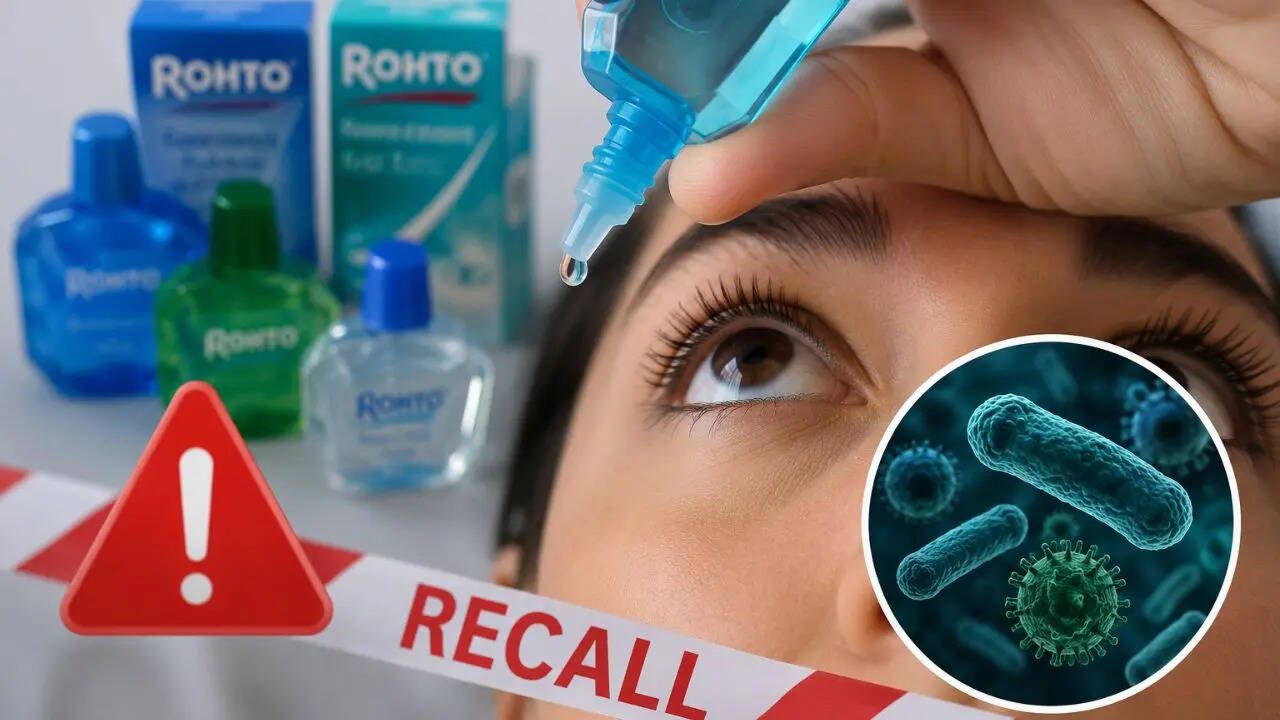
Millions of bottles of over-the-counter cooling eye drops have been recalled across the United States after the US Food and Drug Administration (FDA) raised concerns that the products may not be sterile. Sterility issues raises the risk of eye infections significantly. The FDA has classified the recall as a Class II recall. An FDA Class II recall for a product refers to the public health action that may cause temporary health problems, where the chance of serious harm is remote.This recall covers nearly 12 million bottles of eight Rohto cooling eye drop products. The agency said the recall was initiated on July 14, due to a “lack of assurance of sterility” in the affected products. The eye drops were manufactured in Vietnam and distributed nationwide by The Mentholatum Company. Which Products Are Affected In The Recall? The recent FDA recall includes several popular Rohto products, including: Rohto All-in-OneRohto Max StrengthRohto Cool ReliefRohto Dry AidRohto Digi EyeRohto Optic GlowTwin-pack versions of some of these productsThe food and drugs regulatory body has warned consumers to stop using the recalled eye drops immediately and check the FDA’s recall notice for affected lot numbers and expiration dates.Also read: FDA Recalls Popular Thyroid Medication: What Levothyroxine Users Need to Know Is Sterility A Serious Concern? Unlike tablets or capsules, eye drops are applied directly onto the eye. The process has limited natural protection against harmful microorganisms. When sterility cannot always be guaranteed, bacteria or fungi may contaminate the solution easily. Using contaminated eye drops significantly increases the risk of eye irritation, painful infections, damage to the corneas and, in extreme cases, vision loss. Although the FDA has not disclosed any confirmed adverse effects linked to this recall, it said the products were withdrawn from the market as a precaution because ophthalmic products must strictly remain sterile throughout their shelf life. The agency classified the recall as Class II, meaning exposure could cause temporary or reversible health effects, while serious harm is mostly unlikely.Also read: US FDA Approves New Blood Test To Screen For Colorectal CancerCommenting on previous FDA recalls, Dr Gary Novack, clinical professor in the Department of Ophthalmology and Vision Science at UC Davis, said, “For eye drops, that means strict sterility, ensuring products are free from microorganisms like bacteria.” He also said that manufacturing facilities must maintain contamination-free conditions because medicines used in the eye bypass many of the body’s natural defence mechanisms. Dr Jeffrey H. Ma, ophthalmologist at the UC Davis Eye Center, also advised patients not to use recalled products: “Drops that are not on the recall list should be safe to use. If you have any of the drops on the list, you should immediately throw them away.” What Should You Do If You Have The Recalled Products? Health authorities recommend that people: Stop using any recalled Rohto eye drops immediately.Check product lot numbers and expiry dates against the FDA recall list.Contact a healthcare provider if they experience eye pain, redness, blurred vision, discharge or persistent irritation after using the recalled products.Return or safely dispose of affected products according to the manufacturer’s instructions. The latest recall comes after multiple eye drop recalls in recent years linked to manufacturing and sterility issues, highlighting growing scrutiny of ophthalmic products.