
- Health Conditions A-Z
- Health & Wellness
- Nutrition
- Fitness
- Health News
- Ayurveda
- Videos
- Medicine A-Z
- Parenting
World Osteoporosis Day 2025: Theme, Origin, And Significance
Credits: Canva
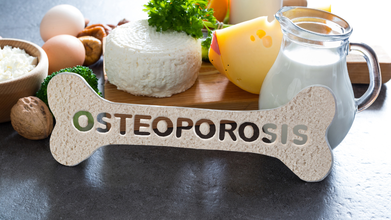
Every year on October 20, World Osteoporosis Day is marked, to put the spotlight on osteoporosis. The day marks a year-long campaign, which is dedicated to raising global awareness of bone health, and the prevention, diagnosis and treatment of osteoporosis and related musculoskeletal diseases.
Osteoporosis is a serious condition where bones lose its density and strength, and it thus makes them fragile and more likely to break. It is often called the 'silent disease', and most people don't even realize that they have it until a fracture happens.
The most common fracture in this condition is in hip, spine, wrist, or shoulder. These fractures can result in long hospital stays, and lead to loss of independence, and reduced quality of life.
World Osteoporosis Day 2025 Theme
This year's theme is 'It's Unacceptable'.
This puts the spotlight on the persistent and preventable crisis in osteoporosis care.
This condition affects over 500 million people worldwide, and most remain severely underdiagnosed and undertreated. Up to 80% of patients with osteoporotic fractures do not receive any follow-up diagnosis or treatment.
This theme furthermore makes an effort for everyone to make noise for the silent disease.
The disease is more common among women, as 1 in 3 women, as compared to 1 in 5 men aged 50+ are prone to osteoporotic fracture in their remaining lifetime. These fractures could lead to chronic pain and disability, loss of independence, increased risk of further fractures, and even premature deaths.
Thus the theme 'It's Unacceptable', highlights that it is simply unacceptable that patients continue to receive inadequate care, and people are still not aware of the condition.
Origin Of World Osteoporosis Day
The World Osteoporosis Day was first launched in 1996 by the United Kingdom's National Osteoporosis Society, with support from the European Commission. The International Osteoporosis Foundation (IOF), then took over the global coordination in 1997, turning it into a worldwide awareness campaign that takes place annually on October 20. The World Health Organization (WHO) also co-sponsored the event in 1998 and 1999, helping to raise its international profile.
Significance of World Osteoporosis Day 2025
Why is it important to observe a day on this, internationally? The reason is, this condition is very common, is among the most frequent health events, yet not much talked about. The IOF notes that in women osteoporotic fractures are more common than breast cancer. Women who are over the age of 45 account for more days in hospital than many other diseases, if they are osteoporotic. This comparison is done with other chronic diseases, including diabetes, myocardial infarction, and even breast cancer, notes IOF.
For men, in many countries, osteoporotic fractures account for more hospital bed days than those due to prostrate cancer.
IOF notes that osteoporosis is not prioritized in healthcare policy, and that it continues to be underdiagnosed and undertreated, globally. Only 1 in 3 vertebral fractures come to clinical attention, and most spinal fractures are often diagnosed as simple 'back pain'. This is why there remains a high treatment gap. In Europe, 72% of women who are at a high risk of osteoporotic fractures do not receive treatment.
This is why awareness about this condition becomes more so important, especially when framing public policies, education campaigns, and preventative care, especially making people understand the importance of calcium and vitamin D.
US Woman In Active Labor Forced to Face Court Over Refusal Of C-Section

Credit: ProPublica
In a disturbing case from the US state of Florida, a pregnant woman in active labor was forced to attend a virtual court hearing via Zoom from her hospital bed for refusing a Cesarean delivery, also known as C-section — a common method of childbirth.
ProPublica reported that Cherise Doyley was in her 12th hour of contractions at the University of Florida Health facility, when she was, without her consent, made to sit in front of a host of people — a judge in a black robe and several lawyers, doctors, and hospital staff — for the Zoom proceeding.
While in active labor, a nurse came in with a bedsheet and told her to cover up, and a supervisor followed with a tablet.
“It’s a real judge in there?” Doyley asked the nurse at the beginning of what would be a three-hour hearing.
What Was The Case?
The mother of three, and a professional birthing doula, Doyley had arrived at the facility after her water broke.
While her doctors expressed concerns about the risk of uterine rupture —a potentially deadly complication for her and her baby — Doyley wanted to try for a vaginal delivery, as the risk was less than 2 percent, unless there was an emergency.
She told doctors she wouldn’t consent to a cesarean without trying to have a vaginal delivery first.
While the doctors initially relented, after several hours, she had to face a virtual court hearing, where the hospital and state attorney’s office forced Doyley to undergo a cesarean section.
Doyley has her own reasons to avoid a C-sec. She already had three prior C-sections, and one that resulted in a hemorrhage. She feared that a C-sec would lead to another serious complication and a lengthy recovery, and her kids would suffer.
However, the hospital was worried that her medical decisions may cause harm to the fetus, and that the courts may help decide which one mattered more, the report said.
Also read: Maternal Vaccination During Pregnancy Can Prevent COVID-related Hospitalization In Babies: Study
After three hours of testimony — all while Doyley lay in her hospital bed — the judge ruled that she could keep laboring unless there was an emergency. If that happened, the hospital could operate, whether she wanted it or not.
Overnight, doctors said the baby’s heart rate dropped for seven minutes. Doyley woke to her hospital bed being wheeled into surgery. The baby girl was delivered by C-section, the report said.
What Happens In A C-section?
It is a surgical procedure that is used to deliver a baby through an incision made in the abdomen and uterus.
The method is preferred, especially in cases with complications during labor or breech presentation, or multiple births.
Unlike the popular conception, it hurts. In a vaginal delivery, the pain is experienced during labor and pushing, especially if done without an epidural.
Whereas, in a C-section, a surgery is performed that numbs the body from the chest down. However, the recovery could be painful and prolonged. It is also because in a C-section, it involves healing from a major abdominal surgery, while vaginal birth recovery may be quicker, more complicated, or traumatic.
Also read: 'Husband Stitch': A Medical Necessity Or Just A Tool To Objectify Women's Bodies?
Does A C-sec Affect The Baby?
Usually, it does not harm the baby, but there could be potential risks to the baby, including:
- Surgical injury, which is very rare; however, the baby may be accidentally nicked during the incision.
- Respiratory issues: Babies born via C-section may have a higher risk of breathing, since they miss the natural compression during the vaginal birth that helps expel the amniotic fluid from their lungs
- Delayed bonding: Immediate skin-to-skin contact may take longer due to the surgical process.
- Feeding challenges: Some newborns may initially struggle with breastfeeding.
Risks Of A C-section Birth?
- Excessive blood loss
- Infection
- Blood clots in the legs, lungs, or pelvis
- Damage to nearby organs
- Adverse reactions to anesthesia
The American College of Obstetricians and Gynecologists (ACOG) advises against elective C-sections due to these potential complications.
Foundayo: US FDA Approves Eli Lilly’s GLP-1 Weight Loss Pill

Credit: iStock
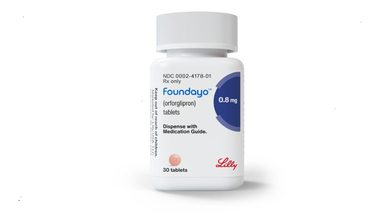
American drugmaker Eli Lilly’s first oral pill for weight loss, Orforglipron, marketed as Foundayo, has been given the green signal by the US Food and Drug Administration (FDA).
Lilly is also known for injectable drugs like Zepbound for obesity and Mounjaro and Trulicity for diabetes.
Foundayo’s approval comes after the US FDA in December last year approved Novo Nordisk’s Wegovy pill — the first-ever GLP-1 pill for weight loss. The Danish drugmaker rolled out the pill in January this year.
Novo Nordisk was also the first to launch oral GLP 1 Rybelsus to treat type 2 diabetes. It was approved by the US FDA in September 2019.
Also Read: World Autism Awareness Day 2026: Can Cell Therapy Be The Future Of Autism Treatment?
In a statement, the US FDA said that "Foundayo has been approved for use in combination with a reduced-calorie diet and increased physical activity. The pill is targeted to reduce excess body weight and maintain weight reduction for the long term in adults with obesity or overweight".
Lilly said that the drug will be available from April 6 through its its direct-to-consumer platform LillyDirect at a cost of $149 per month for the lowest dose for self-pay customers — on par with Novo's pill. "Shortly after” it will be available through retail pharmacies and telehealth providers in the US.
"Today, fewer than 1 in 10 people who could benefit from a GLP-1 are taking one, held back by access, stigma, perceived complexity, or the belief that their condition isn't serious enough for treatment. We believe Foundayo can help level the playing field for those living with obesity or who are overweight and living with weight-related complications," said David A. Ricks, chair and CEO of Eli Lilly and Company.
"As a convenient, once-daily oral pill that delivers meaningful weight loss, this is obesity care designed for the real world," he added.
Foundayo: A Meaningful Reduction In Body Weight
The US FDA approved Foundayo after two randomized, double-blind, placebo-controlled trials in adults with obesity or with overweight showed benefit.Also Read: Foundayo: US FDA Approves Eli Lilly’s GLP-1 Weight Loss Pill
In these trials, 72 weeks of treatment with Foundayo, in combination with a reduced-calorie diet and increased physical activity, resulted in a statistically significant and clinically meaningful reduction in body weight.
Deborah Horn, Director of the Center for Obesity Medicine at McGovern Medical School at UTHealth Houston, stated that Foundayo “delivered an average of 12.4 percent weight loss at the highest dose in clinical trials – addressing both the clinical realities of obesity and the practical challenges patients face every day."
In addition, Foundayo also led to reductions in many markers of cardiovascular risk, including waist circumference, non-HDL cholesterol, triglycerides, and systolic blood pressure across all doses, Eli Lilly said.
How Foundayo Works
Lilly licensed Orforglipron, the main ingredient in Foundayo, from a Japanese pharmaceutical company in 2018.
As with the injectable forms of GLP-1s, Foundayo is available in six doses, ranging from 0.8mg to 17.2mg.
In consultation with their doctors, patients start with the lowest dose and gradually work up to higher doses; not everyone may need to reach the highest dose.
Also read: Eli Lilly's Experimental GLP-1 Pill Shows Promising Weight Loss
Unlike the Wegovy pill, people taking orforglipron do not need to restrict food or drink after taking the pill. Orforglipron is a small molecule that the body can absorb quickly and get into the blood, where it reaches the necessary tissues.
Foundayo: Side Effects
Foundayo is not safe for use in children and has an increased list of side effects, such as tumors in the thyroid, including thyroid cancer.
The drugmaker urged watching for possible symptoms, such as
- a lump or swelling in the neck,
- hoarseness,
- trouble swallowing
- shortness of breath.
- nausea,
- constipation,
- diarrhea,
- vomiting,
- indigestion,
- stomach (abdominal) pain,
- headache,
- swollen belly,
- feeling tired,
- belching,
- heartburn,
- gas,
- hair loss.
New Zealand Launches Surveillance After Spotting Dengue, Zika-carrying Mosquito Larvae
Credit: Canva
New Zealand has stepped up surveillance after the first detection of a dengue and Zika-carrying mosquito larvae in the country.
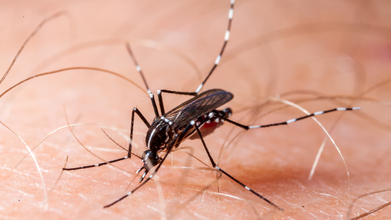
The larval species was confirmed as 'Aedes aegypti' — known to carry diseases including dengue fever, yellow fever, Zika, and chikungunya, across the globe.
As New Zealand does not normally have the mosquito species, the larvae detected were counted as "exotic".
The mosquito species did not cause any outbreak, but were spotted during a routine surveillance program in Auckland.
"The National Public Health Service has commenced a heightened surveillance and interception programme following mosquito larvae being collected from a routine surveillance trap at Queens Wharf, Auckland, on Monday 30 March," Health New Zealand said in a statement.
Health New Zealand reported that exotic species were occasionally found at ports and airports.
Not A Public Threat Yet
The health body noted that the larvae were not considered a public health or biosecurity threat yet because there was no indication they had become established.
But the agency aimed to continue "intensive monitoring for at least three weeks".
"The monitoring would take place within a 400m radius of the site where the larvae were identified. Health Protection Officers would place mosquito traps in the survey area," the statement said.
"These have been hidden away from plain sight so they are not disturbed, for example, in old tyres, bushes, or pools of water. We ask members of the public to avoid touching or disturbing these traps if they find them, as it may disrupt our monitoring and trapping efforts," medical officer of health Dr David Sinclair said.
Sinclair said New Zealanders were most at risk from diseases transmitted by mosquitoes when travelling overseas, including to Pacific Island countries and territories where dengue fever was known to be present.
Dengue Surging In 17 Countries
The US Centers for Disease Control and Prevention recently issued a travel alert of dengue outbreaks across 17 countries.
The CDC alert issued on March 23 identified 17 countries reporting an increased number of cases of dengue. These include: Afghanistan, Bangladesh, Bolivia, Colombia, Cook Islands, Cuba, Guyana, Maldives, Mali, Mauritania, New Caledonia, Pakistan, Samoa, Sudan, Timor-Leste, Vietnam, and the United States territories of American Samoa, Puerto Rico, and the US Virgin Islands, where local transmission is already common.
Also read: Long-term Exposure To Air Pollution Increases Fatality Rates In Dengue: Study
What Is Dengue?
Dengue is a disease caused by a virus spread through mosquito bites. It is transmitted through infected mosquitoes, primarily the species Aedes aegypti.
The breakbone fever is caused by an infection with any of four different dengue viruses. These include:
• Dengue virus type 1 (DENV-1 or DEN-1)
• Dengue virus type 2 (DENV-2 or DEN-2)
• Dengue virus type 3 (DENV-3 or DEN-3)
• Dengue virus type 4 (DENV-4 or DEN-4)
Also read: New dengue vaccine over 80% effective, prevents severe disease for up to 5 years
Common Symptoms of dengue include:
• Sudden onset of high-grade fever.
• Intense headache
• Severe muscle, joint, or bone pain.
• Skin Rash that often appears 2–5 days after the fever starts
• Nausea and Vomiting
• Minor bleeding
• Fatigue.
- Follow Us :


© 2024 Bennett, Coleman & Company Limited