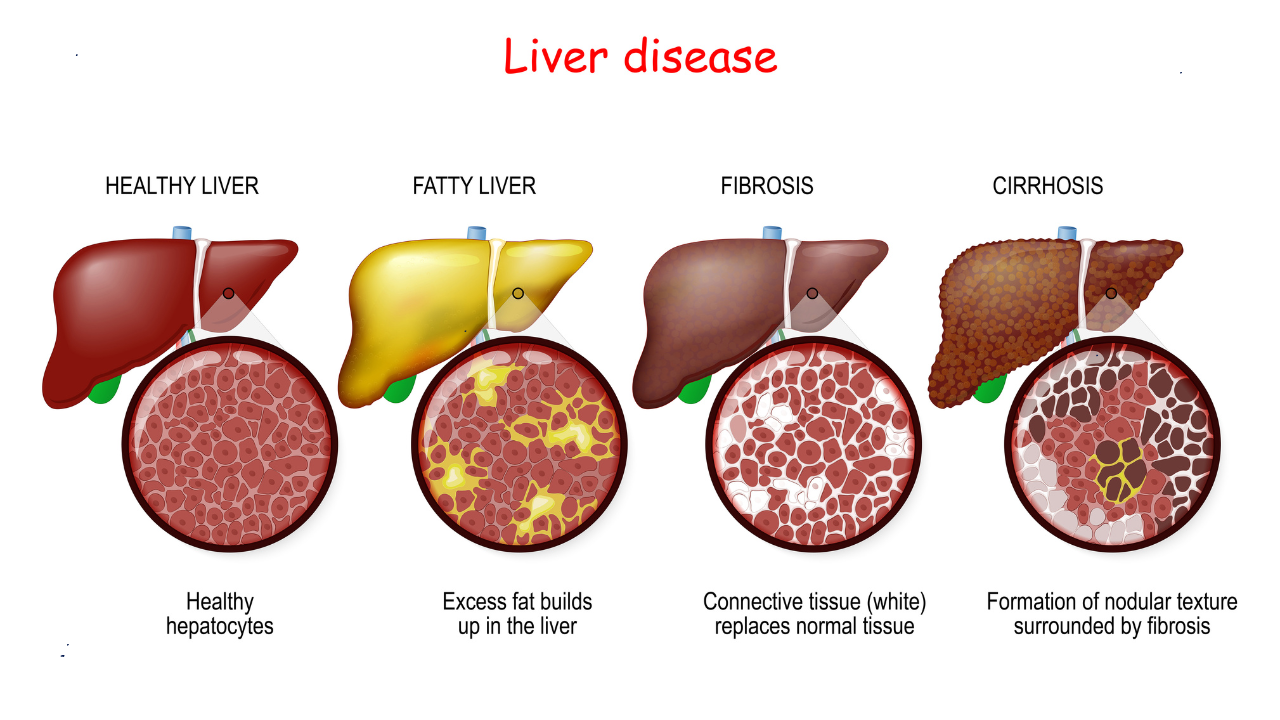
One in four or 25 percent of adults with type-2 diabetes in India also suffer from liver fibrosis, according to an alarming study published in The Lancet Regional Health Southeast Asia journal today.With data from more than 9,000 patients across the country, it is the largest ever real-world survey of liver fibrosis in type 2 diabetes from any low- or middle-income country.While fatty liver disease has been touted as the most common liver condition among diabetes patients, the new study established liver fibrosis as the real danger among people with high blood sugar.“Type 2 diabetes is closely linked to fatty liver disease (also known as MASLD). But how common is liver Fibrosis — the real danger — in Indian diabetics? Our answer: 1 in 4 has clinically significant liver fibrosis. One in 20 already has probable cirrhosis. Most had no symptoms. We propose liver fibrosis as the ‘4th major complication’ of diabetes,” said Ashish Kumar, from Ganga Ram Postgraduate Institute of Medical Education and Research (GRIPMER), from Sir Ganga Ram Hospital, in a post on social media platform X.Also read: About 84% IT Employees Are Suffering With Fatty Liver Disease - Why Screenings Are Necessary For Corporate WorkersWhat Did The Study Find?Fatty liver is typically the first and reversible stage of liver disease, where excess fat builds up in liver cells. Left untreated, it progresses to liver fibrosis, which is the excessive accumulation of scar tissue (collagen) in the liver resulting from chronic inflammation. The condition then progresses to the third and late stage, irreversible scarring (fibrosis) of the liver. The final stage is liver cancer.The DiaFib-Liver Study included a total of 9,202 adults with type-2 diabetes patients who underwent FibroScan (VCTE) to assess liver fibrosis in routine diabetes care.Of these:26 percent had clinically significant fibrosis,14 percent had advanced fibrosis,5 percent had probable cirrhosis65 percent had fatty liver disease.Risk factors for fibrosis included:obesitydyslipidaemiakidney problemsdiabetes duration ≥10 years.Importantly, the study found that 19 percent patients with no obesity and a body mass index of less than 25, as well as 13 percent of patients without fatty liver disease had clinically significant fibrosis. It also included 4 percent of patients with probable cirrhosis.Fibrosis: The Screening TargetThe study suggested the urgent need to integrate fibrosis screening into national diabetes programs. “One in four adults with type 2 diabetes in India has clinically significant liver fibrosis and one in twenty already has probable cirrhosis, establishing advanced liver disease as a 'fourth major complication' of diabetes,” said the researchers.“The DiaFibLiver Study calls for: Fibrosis — not steatosis — as the screening target. FibroScan integration into routine diabetes care. Moving beyond ultrasound-based referral,” Jha said.“We hope this data from India adds to the global conversation on diabetes and liver disease,” he added.Also read: The Silent Rise of Fatty Liver Disease: How India-Specific Guidelines Can HelpThe findings highlight the urgent need to:move beyond steatosissystematically integrate fibrosis assessment into routine diabetes care,deploy non-invasive tools such as vibration-controlled transient elastography (VCTE) in community practicedefine screening strategies,evaluate therapeutic interventions."The study shows that liver fibrosis is common in people with type 2 diabetes and often goes undiagnosed, highlighting the need for routine screening and early intervention. Message Fibroscan to be done in everyone with type 2 diabetes,“ said Dr. V Mohan, Chairman of Dr. Mohan's Diabetes Specialities Centre and the Madras Diabetes Research Foundation (MDRF), on X.Everyday Habits That Harm the LiverCertain lifestyle choices can accelerate liver damage, such as:Overeating processed or fried foodsHigh sugar intake (soft drinks, sweets, desserts)Physical inactivity or prolonged sittingIgnoring health issues like diabetes or hypertensionCrash dieting or taking unprescribed supplements.How To Improve Liver Health?Early screening and detection are key to prevent irreversible stages. Yet liver disease can be prevented with lifestyle changes such as:Eating a balanced diet with vegetables, fruits, whole grains, and lean proteinEngaging in at least 30 minutes of exercise dailyStaying hydrated to help the liver flush out toxinsAvoiding alcohol and smokingAvoiding self-medication and unnecessary pillsGetting routine health screenings.