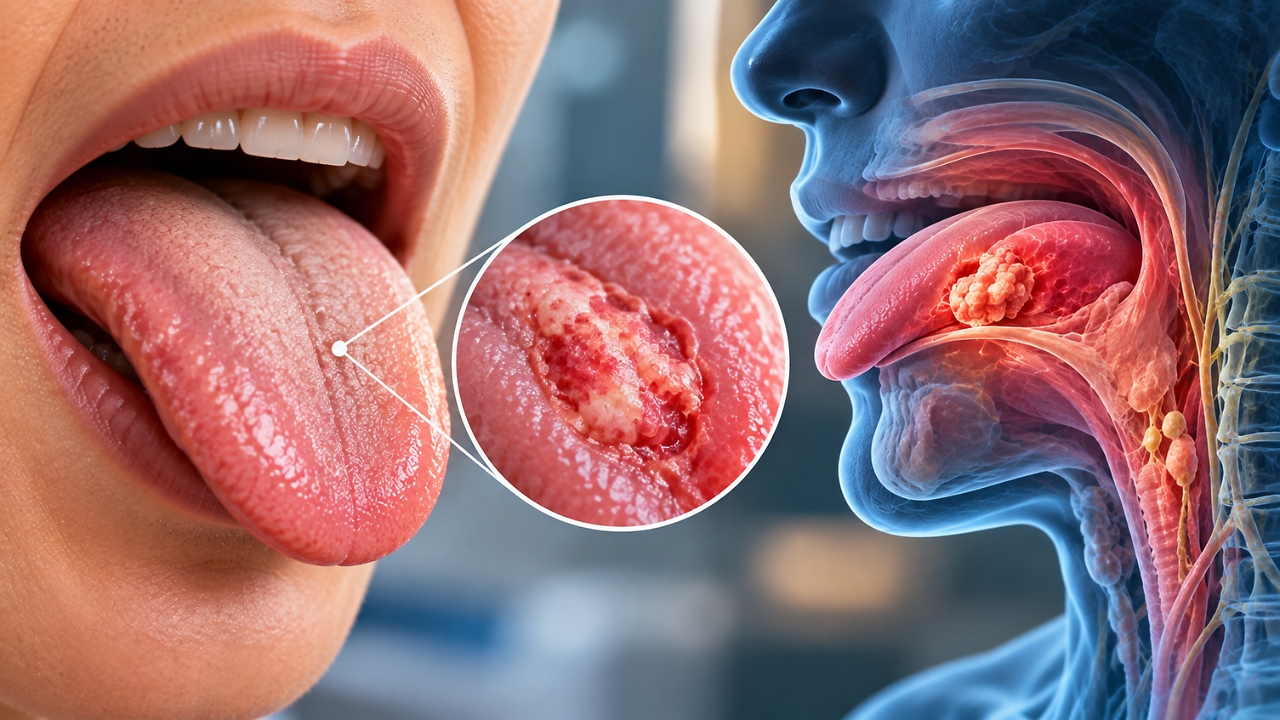
A complex head-and-neck cancer treatment combined extensive tumour removal with reconstructive microsurgery and specialised rehabilitation to help restore essential functions such as speech and swallowing. For a practicing lawyer, his voice is central to his profession. He relies on speaking clearly every day - in the courtroom, while communicating with clients and while presenting his arguments. So, when a Delhi Court lawyer was diagnosed with locally advanced tongue cancer, his biggest fear was not only the cancer itself, but whether he would still be able to speak and continue practising law after treatment. By the time he sought treatment, the cancer was locally advanced and required extensive surgery. He also had diabetes, which made the treatment and recovery more challenging. Managing his blood sugar around a major operation was an important part of preparing him for surgery and supporting his recovery afterwards. The extent of the cancer meant that approximately 70–80% of his tongue had to be removed through a procedure called a subtotal glossectomy. Surgery also involved removing affected lymph nodes from both sides of the neck. However, removing the cancer was only one part of the challenge. The tongue plays an important role in speaking and swallowing, and removing such a large portion could significantly affect both. His treatment therefore had to address not only the cancer, but also how these essential functions could be supported after surgery.Rebuilding The Tongue To Restore Speech And Swallowing To help restore the lost tissue, the surgical team performed an anterolateral thigh (ALT) free flap reconstruction. In simple terms, tissue was taken from his thigh and used to reconstruct the tongue. The transferred tissue was connected to blood vessels in the neck using microsurgery so that it could survive in its new location. The surgery also included a tracheostomy to secure his airway during recovery and dental extraction to reduce the risk of complications following radiation and prepare for future oral rehabilitation. Because of the aggressive nature of the tumour, he subsequently underwent radiation therapy. At the same time, his recovery included specialised speech and swallow rehabilitation. Through regular exercises and training, he worked towards regaining articulated, functional speech after the extensive surgery. Due to diabetes, his care also involved not only cancer specialists, but also an endocrinology team to help manage his sugar.Also read: New York Assisted Suicide Law: Nearly 20 People Reportedly Died Since AugustFive Years Later, He Is Back In The Courtroom In advanced head-and-neck cancer, removing the tumour is only one part of successful treatment. When surgery involves structures that are essential for speaking and swallowing, we also have to think about what the patient’s life will look like after cancer treatment.Reconstructive microsurgery can help restore the tissue lost during surgery, while structured rehabilitation helps patients work towards regaining important functions. Our aim is to treat the cancer while also helping them return to the life and work they value.Five years after treatment, he is in complete remission and has returned to practising law. He is back in the courtroom, continuing to argue cases and communicate with the confidence his profession demands. This case highlights an important aspect of treating advanced cancers - care has to go beyond removing the tumour to also focus on rebuilding essential functions such as speech and swallowing. Reconstructive microsurgery and specialised rehabilitation can form an important part of this approach, particularly when extensive surgery affects structures needed for everyday functions. It also highlights the importance of having access to specialised teams that can work together when managing complex cases. His treatment involved Head and Neck Surgical Oncology, Reconstructive Plastic Surgery, Radiation Oncology, Endocrinology, and Speech and Swallow Therapy at different stages of his care.