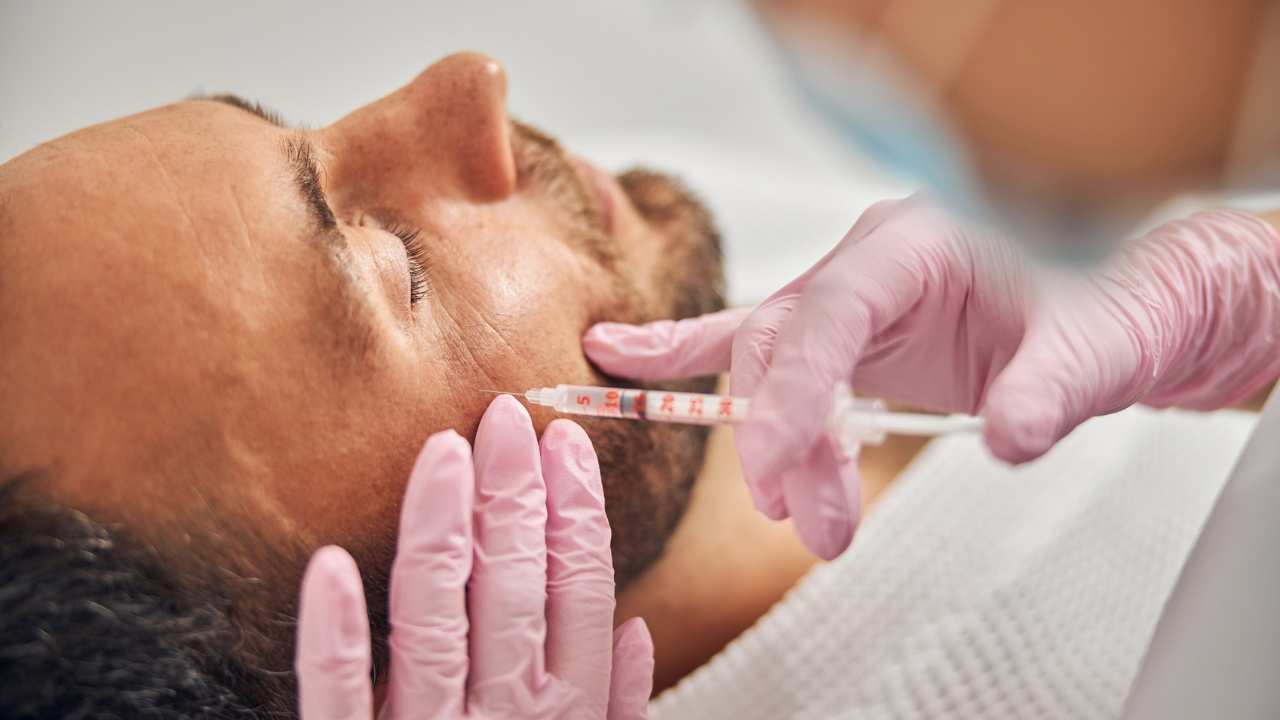
With the increasing accessibility of GLP-1 weight-loss drugs such as Ozempic and Wegovy, more people are shedding pounds. But the transformation can come with its own caveats — sagging skin, hair loss and dental issues that may require further attention.And if you thought women were the only ones taking the plunge, think again.While women still account for the overwhelming majority of aesthetic treatments, demand among men in the US has risen in recent years, particularly among those who have undergone significant weight loss through GLP-1 therapies.More US Men Seek Cosmetic TreatmentsAccording to the American Society of Plastic Surgeons, men underwent 1.7 million cosmetic procedures in 2024, including surgeries and minimally invasive treatments such as laser skin resurfacing and Botox injections. That was a 2.7% increase from the previous year.Of the total, more than 98,000 were surgeries, with eyelid surgery, liposuction and tummy tucks among the most commonly performed procedures.“I’ve seen probably a doubling in the number of male patients that I treat over the last one to two years,” Sean Alemi, a New York-based facial plastic surgeon, was quoted as saying to Reuters.Also read: Lehengas, Diets & Now Mounjaro: The New Must-Have For Indian Brides?Experts say demand will keep rising as more weight-loss drugs, including new pill versions, reach the market.In the first quarter of 2026, nearly 70% of men who underwent surgical procedures had a history of GLP-1 use, Dr. Bob Basu, president of the American Society of Plastic Surgeons, said.Younger men often seek procedures to remove loose skin and improve the appearance of an athletic physique, while older men are focused on signs of aging, particularly in the face and neck, doctors said.Rapid Weight Loss May Affect Surgical OutcomesRead More: GLP-1 Drugs Making You Lose Muscle Along With Fat? Scientists Discover Game Changing Weight-Loss Compound To Tackle ItThe growing popularity of GLP-1 drugs has also created a new generation of body-contouring patients, along with new challenges for plastic surgeons, according to recent research by Duke University.The research suggests that how much weight patients lose — and how quickly they lose it — could affect surgical results when tightening or removing excess skin after massive weight loss.For the study, published in Plastic and Reconstructive Surgery, Duke researchers analyzed more than a decade of abdominal body-contouring procedures, such as tummy tucks, and found that patients who lost large amounts of weight quickly faced higher risks of surgical complications.The more than 500 patients studied were grouped based on how they lost weight: through bariatric surgery alone, GLP-1 medications such as semaglutide and tirzepatide alone, or a combination of both.The highest complication rates were seen among patients who combined surgery with GLP-1 drugs that reduce appetite. These patients not only lost the most weight overall — about 29% of their body weight, compared with 10% among GLP-1 users — but did so at the fastest rate.A New Challenge for Plastic SurgeonsBut those rapid changes may come with tradeoffs, said senior study author and professor of surgery Ash Patel, MBChB, a plastic and reconstructive surgeon at Duke Health.“These are highly effective weight-loss tools, and they are changing the patient population we see in body contouring,” Patel said. “We’re operating on people whose bodies have undergone rapid, profound changes, and that affects healing.”