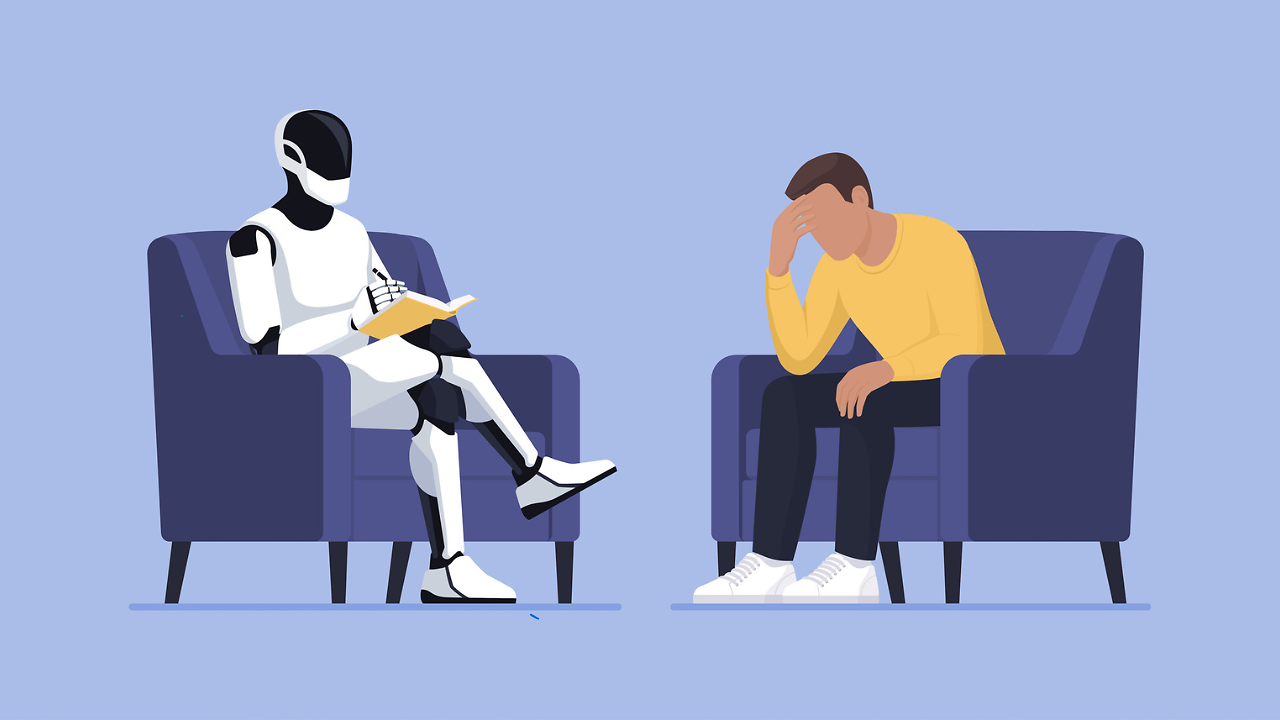
Artificial intelligence is changing the way people work. Tasks that once required hours of effort can now be completed in minutes; therefore, organizations are increasingly using AI tools to improve productivity, reduce costs, and streamline operations. These changes have brought both excitement and fear along with them. That is, will my skills still matter in the future? The fear of becoming irrelevant in an AI-driven workplace is becoming a source of anxiety for employees across industries. Beyond concerns about job security, many are struggling with the pressure to learn new technologies, keep up with changing expectations and prove their value in an environment where machines are becoming increasingly capable. The Pressure To Prove Oneself Workplace anxiety surrounding AI does not always stem from the possibility of losing a job. Sometimes, it comes from the feeling that one must constantly do more to remain employable. Employees who have spent years developing expertise in a particular field may find it unsettling to see AI tools perform parts of their work in seconds. Writers, designers, analysts, customer service professionals and even experienced managers are being encouraged to adapt to new technologies, often while managing their existing responsibilities. For some, this creates a persistent sense of falling behind. Learning new tools becomes less about professional growth and more about avoiding obsolescence. The pressure can be particularly challenging when employees are uncertain about which skills will remain valuable or how quickly their roles might change. Professionals’ Fear Of Uncertainty Affects Mental Health Prolonged uncertainty about one's career can affect emotional well-being. Employees may experience stress, irritability, difficulty concentrating, disrupted sleep or a loss of confidence in their abilities. Some may begin comparing their productivity with AI-generated outputs, overlooking the judgement, experience and context they bring to their work. There is also the pressure to demonstrate constant productivity. When technology makes it possible to complete tasks faster, employees may feel expected to produce more within the same working hours. What initially appears to be a tool for reducing workloads can, in some workplaces, create an expectation of doing more with less time. Over time, this pressure can contribute to exhaustion and burnout, particularly when employees have little control over how new technologies are introduced or how their performance is measured. However, not everyone experiences AI in the same way. Some employees welcome the opportunity to learn, experiment and move away from repetitive tasks. The impact often depends on individual circumstances, workplace culture, access to training and the level of uncertainty surrounding employment. The Importance Of A Supportive Workplace Employers have an important role to play in reducing unnecessary anxiety during technological transitions. Introducing AI without explaining its purpose can leave employees filling information gaps with their own fears. Clear communication about how AI will affect specific roles, what changes employees can expect and which skills they should develop can help reduce uncertainty. Training should be accessible and practical, allowing employees to learn without feeling that they must master every new tool immediately. Managers should also recognize that productivity is not the only measure of an employee's contribution. Critical thinking, creativity, communication, ethical judgement and the ability to understand people remain important aspects of professional work. Creating opportunities for employees to ask questions, express concerns and participate in decisions about AI adoption can help build trust. Organisations should also pay attention to signs of excessive workload, disengagement and burnout rather than assuming that employees will automatically adapt. Finding A Healthier Relationship With AI For employees, it may help to approach AI as a skill to develop rather than a competition to win. Identifying the tools relevant to one's role, learning at a manageable pace and strengthening skills that complement technology can make change feel less overwhelming. It is equally important to recognize that professional worth cannot be measured solely by speed or the number of tasks completed. Experience, sound judgement, empathy and accountability continue to shape meaningful work. If anxiety begins to interfere with sleep, daily functioning or relationships, seeking support from a mental health professional may be helpful. AI will continue to change the workplace, but the transition does not have to come at the cost of employee well-being. Organizations that combine technological progress with honest communication, meaningful training and respect for their workforce are more likely to create environments in which people can adapt with confidence. Ultimately, the question is not simply whether employees can keep pace with AI. It is whether workplaces can evolve in ways that allow people to feel secure, valued and capable of growing alongside it. (By Shilpi Saraswat, Clinical Psychologist, Sakra World Hospital, Bengaluru)