
- Health Conditions A-Z
- Health & Wellness
- Nutrition
- Fitness
- Health News
- Ayurveda
- Videos
- Medicine A-Z
- Parenting
Only 1% Of This Bolivian Community Gets Dementia- This Is What They Eat Everyday

(Representational Image) Credit: Canva
As the world continues to search for the key to healthy ageing, an isolated Indigenous community in the Amazon rainforest may hold the solution to all problems. The Tsimané people of Bolivia have been recognized for having some of the healthiest hearts on the planet and significantly slower brain ageing compared to their counters in industrial societies. Astonishingly, only 1% of their elderly population shows signs of dementia, in stark contrast to 11% of Americans aged 65 and older.
A study led by researchers from the University of Southern California suggests that the Tsimané’s pre-industrial lifestyle, which balances physical activity and a nutrient-rich diet, plays a crucial role in their overall health. "This ideal set of conditions for disease prevention prompts us to consider whether our industrialized lifestyles increase our risk of disease," said Dr Andrei Irimia, an associate professor at USC’s Leonard Davis School of Gerontology.
The Tsimané people, which number around 7,000 ti total, live in remote regions of Bolivia's lowland rainforest. Their daily lives revolve around fishing, hunting, farming, and foraging, ensuring that they remain physically active throughout their lives. They share their homeland with the Mosetén, another indigenous group.
In 2022, researchers found that both the Tsimané and Mosetén exhibit significantly lower rates of dementia compared to industrialized nations. Additionally, previous studies have shown that their brains experience much less age-related atrophy, which is the loss of brain tissue, brain atrophy is a key contributor to cognitive decline, functional impairment, and dementia.
Diet Is A Key Player
For most of us, processed foods are an inevitable part of our diet. On the Tsimané thrive on a high-fiber, nutrient-dense diet. Their meals primarily consist of plantains, cassava, rice, corn, fish, and lean meats, with minimal processed sugars and fats. Remarkably, about 70% of their caloric intake comes from natural carbohydrates, providing twice the fibre of the average Western diet. Their food is also rich in essential minerals such as selenium, potassium, and magnesium, which support cognitive and cardiovascular health.Additionally, the Tsimané engage in near-constant physical activity, averaging about 17,000 steps per day. Hunting, gathering, and farming require them to stay on their feet for long hours, reinforcing the link between an active lifestyle and brain health. Even more interesting is the natural incorporation of intermittent fasting into their lifestyle, a practice that has been associated with numerous health benefits, including improved brain function.
Healthy Brain Despite Inflammation
One of the most surprising findings about the Tsimané is their high levels of inflammation, which would typically be associated with cognitive decline in Western populations. However, researchers speculate that their inflammation is primarily due to infections rather than metabolic diseases like obesity and diabetes. This distinction may explain why their brain health remains intact despite elevated inflammatory markers.With global dementia cases projected to triple by 2050, researchers emphasize the urgency of identifying lifestyle factors that can slow cognitive decline. The Tsimané provides a compelling case study, demonstrating how the choices we make about diet and activity levels can have a profound impact on longevity and brain health.
Jersey Shore Alum Nicole 'Snooki' Polizzi Shares Cervical Cancer Diagnosis

Credits: Instagram
Reality television personality Nicole “Snooki” Polizzi has revealed she has been diagnosed with stage-one cervical cancer after undergoing further testing for previously detected abnormal cells.
The Jersey Shore alum shared in a Feb. 20 TikTok video that a cone biopsy confirmed adenocarcinoma, a type of cancer that develops in gland-lining cells. Doctors discovered the disease less than a month after she first announced the presence of cancerous cervical cells.
“Not the news I was hoping for,” the 38-year-old said, adding that the early detection significantly improved her outlook.
Detected Early After Years Of Tests
Polizzi said she had experienced abnormal Pap smear results for several years before undergoing the procedure that led to the diagnosis. She encouraged followers not to delay screenings out of fear or discomfort, noting early detection made the cancer potentially curable.
Medical teams also informed her that the cancer had not spread deeper into the cervix — an encouraging sign — though adenocarcinoma can be more aggressive and may spread to lymph nodes if untreated.
Further Scans And Likely Surgery
Doctors have scheduled a PET scan to determine whether the cancer has spread elsewhere in the body. Depending on the findings, treatment options include chemotherapy, radiation or surgery.
Polizzi said she is leaning toward a hysterectomy, the surgical removal of the uterus, describing it as the most sensible course of action.
Message to Fans: Don’t Skip Screenings
The television star, a mother of three, thanked supporters for their encouragement and said she plans to keep sharing updates during treatment.
She also stressed the importance of routine check-ups, calling cervical cancer “nothing to joke about” and urging people to seek timely testing, even when it feels uncomfortable or frightening.
What Is Cervical Cancer?
Cervical cancer, also known as cancer of the cervix, begins on the surface of the cervix and involves the growth of abnormal cells in its lining. Cervical cancer is primarily caused by infection with the human papillomavirus (HPV), which is preventable with a vaccine.
There are three main types of cervical cancer:
- Squamous cell carcinoma: This type forms in the lining of the cervix and accounts for about 70% of cases.
- Adenocarcinoma: This type forms in the cells that produce mucus and is less common.
- Mixed carcinoma: This type has features of both squamous cell carcinoma and adenocarcinoma.
Preventive measures, including the HPV vaccine and regular screenings, are crucial in reducing the risk of cervical cancer. Early detection and treatment significantly improve the chances of successful outcomes.
Symptoms of Cervical Cancer
In its early stages, cervical cancer typically doesn’t show any symptoms, which is why regular screening is important to catch it at this stage. Once symptoms do start appearing, they include abnormal vaginal bleeding (in between periods) and unusual vaginal discharge. Pain during sex in the pelvic region is another common symptom. As the cancer worsens, patients may experience more severe symptoms like weight loss, fatigue and leg swelling.
Precancerous changes in cervical cells rarely cause symptoms. The only way to detect abnormal cells that may develop into cancer is through a cervical screening test. If these early cell changes progress into cervical cancer, the most common signs include:
- Vaginal bleeding between periods
- Menstrual bleeding that is longer or heavier than usual
- Pain during intercourse
- Bleeding after intercourse
- Pelvic pain
- Changes in vaginal discharge, such as increased discharge or discharge with a strong or unusual color or smell
- Vaginal bleeding after menopause
These symptoms can be caused by other conditions, but if you are worried or symptoms persist, it is essential to contact your doctor. This is important for anyone with a cervix, including individuals who are straight, lesbian, gay, bisexual, or transgender.
Early signs of cervical cancer can include:
- Pain during sex
- Unusual vaginal bleeding, such as after sex, between periods, after menopause, or following a pelvic exam
- Unusual vaginal discharge that is watery, bloody, and/or has a strong odour
As cervical cancer progresses, it can cause additional symptoms, such as:
- Pelvic pain
- Trouble urinating
- Swollen legs
- Kidney failure
- Bone pain
- Weight loss and lack of appetite
- Fatigue
- Backache
- Stomach pain
It is crucial to note that you might not notice symptoms of cervical cancer until it has advanced. Regular screenings and prompt medical consultation for any concerning symptoms are vital for early detection and effective treatment.
Smoking Cannabis Can Lead To Mental Illnesses In Teenagers, Study Finds

Credit: Canva
Adolescents who use cannabis could face a significantly higher risk of developing psychotic (doubled), bipolar (doubled), depressive and anxiety disorders, a study shows.
Researchers from Kaiser Permanente, the Public Health Institute's Getting it Right from the Start, the University of California, San Francisco and the University of Southern California, who studied 463,396 adolescents ages 13 to 17 through age 26, found that children between these ages were extremely prone to developing mental illnesses.
Lynn Silver, MD, program director of the Getting it Right from the Start, a program of the Public Health Institute, and study co-author noted: "As cannabis becomes more potent and aggressively marketed, this study indicates that adolescent cannabis use is associated with double the risk of incident psychotic and bipolar disorders, two of the most serious mental health conditions.
"The evidence increasingly points to the need for an urgent public health response - one that reduces product potency, prioritizes prevention, limits youth exposure and marketing and treats adolescent cannabis use as a serious health issue, not a benign behavior."
"Even after accounting for prior mental health conditions and other substance use, adolescents who reported cannabis use had a substantially higher risk of developing psychiatric disorders - particularly psychotic and bipolar disorders.
"This study adds to the growing body of evidence that cannabis use during adolescence could have potentially detrimental, long-term health effects. It's imperative that parents and their children have accurate, trusted, and evidence-based information about the risks of adolescent cannabis use," Kelly Young-Wolff, Ph.D., lead author of the study and senior research scientist at the Kaiser Permanente Division of Research, added.
The observational US-focused study also found that cannabis use was more common among adolescents enrolled in Medicaid and those living in more socioeconomically deprived neighborhoods.
How Does Cannabis Usage In Teens Affect Overall Health?
Frequent, heavy cannabis use during adolescence can lead to long-lasting changes in brain function, impairing memory, learning, and attention. It can also cause reduced IQ and difficulty with problem-solving.Strong links have also been found between adolescent cannabis use and mental health issues, including increased risk of depression, anxiety, and, in some cases, schizophrenia or other psychotic disorders.
Additionally, smoking cannabis can lead to breathing problems similar to tobacco, such as chronic bronchitis. It can also cause an increased heart rate, and some studies suggest a higher risk of heart attacks.
Early initiation, especially before age 16, increases the risk of developing Cannabis Use Disorder (addiction). High-potency products can lead to rapid onset of withdrawal symptoms, mood changes, and even physical complications like Cannabis Hyperemesis Syndrome (severe nausea/vomiting)
Why Should Early Cannabis Usage Be Discouraged?
The Center of Disease Control and Prevention (CDC) explained that the brain of a teenager is still growing and developing a lot, and this process continues until they are about 25 years old. Using cannabis (marijuana) during the teen years and young adulthood can potentially harm this development.Compared to teens who don't use cannabis, those who do are more likely to drop out of high school or not finish a college degree. Using cannabis can cause several immediate and long-term problems for teens:
- Difficulty Thinking
- Memory Issues
- Poor Coordination
- Attention Problems
- School and Social Troubles
- Cannabis use can also lead to more serious issues that affect a teen's overall life.
- Increased Mental Health Risks
Driving under the influence of cannabis is illegal and unsafe, as it severely slows reaction time. Cannabis reduces coordination and concentration, impacting all the skills necessary for responsible and safe driving.
Around 30 percent of cannabis users are also known to develop an addiction (cannabis use disorder). Failing to quit or choosing the drug over family activities are signs. This risk is higher for frequent teen users.
Scientists Develop 3D Heart Model Which Can Beat Cardiovascular Diseases
Credit: Unsplash
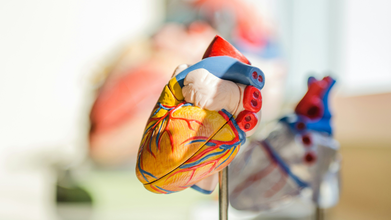
Scientists have created a three-dimensional "heart-on-a-chip" (HOC) model that beats on its own, uses calcium to initiate muscular activity and responds predictably to common drugs in hopes that it will help fight against cardiovascular diseases and heart failure.
This engineered heart is the first to incorporate a dual-sensing platform that provides real-time tracking of activity throughout the heart tissue down to the cellular level, helping scientists measure cellular function, which is critical for preventing heart failure in patients with CVDs.
First author Ali Mousavi, a biomedical engineer at the University of Montreal: "The ability to observe the tissue's response to different compounds in real time represents a major advantage for preclinical development and translational research."
To create their heart-on-chip (HOC) models, researchers collected heart muscle and connective tissue cells from rats. They placed the cells in a gel rich in proteins and nutrients to help them grow, then put them onto tiny, flexible silicon chips.
To measure how the tissue worked, they used two types of sensors. First, they attached the engineered heart tissue between two small elastic pillars. Each time the tissue beat, the pillars bent slightly, and this bending showed how strong the heartbeat was.
Then they placed tiny, soft gel-based sensors inside the tissue. These very small droplets—about 50 micrometers wide—changed shape as the cells contracted. This allowed the researchers to measure mechanical stress at the level of individual cells.
Talking about this development, senior author Houman Savoji, a mechanical and biomedical engineer at the University of Montreal said: "This breakthrough brings us even closer to true precision health by giving us the ability to identify the most effective medication for each person before treatment is even administered."
The Rising Heart Attack Crisis
Heart attacks occur when blood flow to the heart is severely reduced or blocked due to a buildup of plaque which is made of fat, cholesterol and other substances in the heart's arteries.During a heart attack, a lack of blood flow causes the cells and tissue in the heart muscle to die, leading to irreversible damage that can result in serious complications like arrhythmias, heart failure, cardiogenic shock, or cardiac arrest.
It is one of the leading causes of death in the country. Four Indians experience a heart attack every minute, with one in four dying of the cause. Experts have also noticed a rising trend of nearly 50 percent of heart attack patients being under the age of 40, with half of all heart attacks in Indian men occurring under 50.
Coronary Artery Disease: The Silent KillerCoronary artery disease (CAD) is one of the most common illnesses that can cause a heart attack in people. It develops over years and has no clear signs and symptoms apart from a heart attack.
The illness begins due to a buildup of fats, cholesterol and other substances known as plaque in and on the artery walls.
Over time, this can cause narrowing or blockage of the coronary arteries and block the supply of oxygen-rich blood to the heart which can lead to chest pain (angina), shortness of breath and ultimately, heart attacks.
READ MORE: How This Chinese Medicine Can Improve Blood Flow In Angina Patients
Typically, those above the age of 45, having a biological family member with heart disease, lack of sleep, smoking, consuming saturated fats along with other autoimmune diseases such as lupus and rheumatoid arthritis, can increase the risk of developing CAD.
Nearly one in 10 Indian adults suffer from CAD and about two million people die from the disease annually. Apart from this, about 18 to 20 million American adults aged 20 and older are also affected about the disease.
How Much You Should Exercise To Prevent CAD?
The American Health Association recommends performing at least 150 minutes per week of moderate-intensity aerobic activity, such as brisk walking, dancing and gardening or 75 minutes per week of vigorous aerobic activity, such as hiking, running, cycling or and playing tennis or a combination of both, preferably spread throughout the week to maintain heart health.Moreover, regular exercise can also reduce the risk of Type 2 diabetes, high blood pressure, dementia and Alzheimer’s as well as several types of cancer. It can also help improve sleep, cognition, including memory, attention and processing speed.
Dr Hayes recommends opting for a cardiac evaluation such as an electrocardiogram, or EKG; a stress test; a cardiac MRI or CT scan to generate images of your heart if you notice changes in your ability to exercise or cannot perform consistent levels of exercise.
- Follow Us :


© 2024 Bennett, Coleman & Company Limited