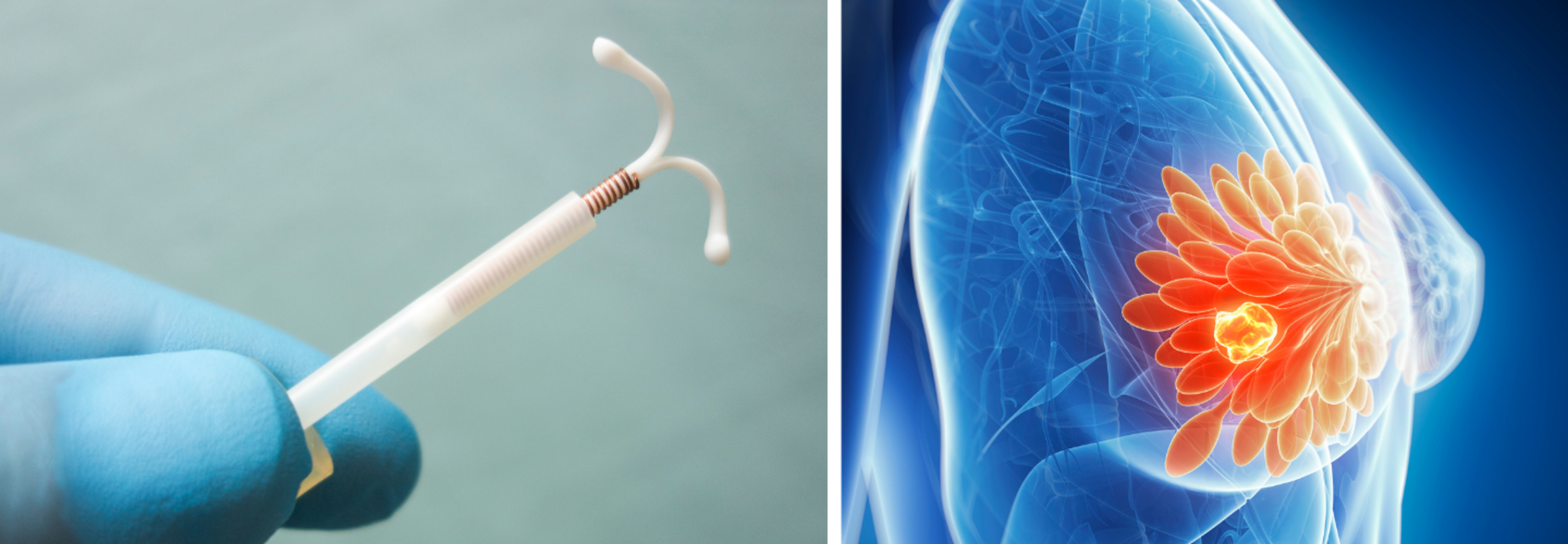
A new study by a Danish research team published in JAMA today found that women using contraceptive intrauterine devices (IUD) may be linked to breast cancer. The study tracked more than 156,000 women aged 15 to 49 over the 6.8 years who were using levonorgestrel IUDs. The common brands in the US that sell these IUDs are Mirena, Liletta, Kyleena and Skyla. The researchers compared them to the women who did not use the device but had similar profiles. FindingsThose who used IUDs had a 40% higher chance of developing breast cancer. It was also found that 1.4 out of 204 women in their 30s in the United States are at risk of developing breast cancer. The risks could be the same for those who are consuming oral contraceptive pills. The research also found that those who have been using an IUD for less than 5 years had 30% increased risk, while those who have been using it between 5 to 10 years are at 40% risk of breast cancer. Women who are using it for 10 to 15 years are at 80% increased risk.What Does an IUD Do?An IUD is a T-shaped plastic device that is inserted into the uterus to prevent pregnancy. It releases levonorgestrel and thicken the mucus in your cervix, so the sperm reach an egg. It also thins your uterus lining and stops your eggs from fully developing each month. What Do Other Studies Suggest?A 2010 study of more than 10,00,000 female nurses found that the pills which used levonorgestrel, also a type of progestin drives the excess risk associated with oral contraception. Another study in the United Kingdom from last year also found that contraceptives with progestin whether taken as a pill, injected or inserted were associated with 20 to 30 % risk of breast cancer. The Link To CancerThe influx of hormones like progestin helps cancer cells grow. This is when the cancel cells' receptors get attached to progestin. However, there is a need to study this further, as there are much research that also suggests that there exist no such link between the usage of IUD and the development of breast cancer.