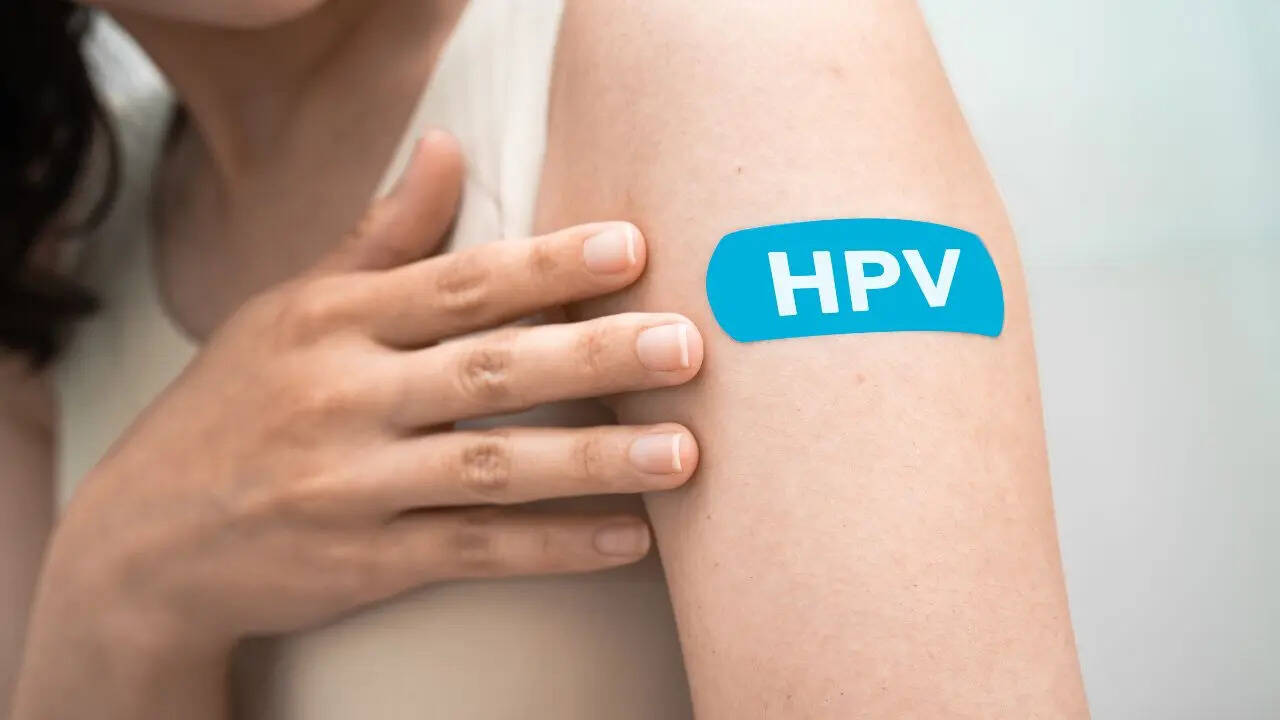
Concerns around fertility and vaccines often surface when people plan a family, and the HPV vaccine is no exception. Many women and men worry that getting vaccinated today could affect their ability to conceive later in life. Medical experts, however, say this fear is misplaced. According to fertility specialists, there is no evidence linking the HPV vaccine to reduced fertility. In fact, the vaccine may play a quiet but important role in protecting reproductive health over the long term.Does The HPV Vaccine Affect Fertility?The short and clear answer is no. The HPV vaccine does not negatively affect fertility in women or men. Dr. Madhu Patil, Consultant and Fertility Specialist at Motherhood Fertility and IVF, Sarjapur, Bangalore, explains that there is no scientific proof showing the vaccine causes fertility problems of any kind.She notes that concerns often arise from misinformation rather than medical data. Extensive research and global vaccination programmes have consistently shown that people who receive the HPV vaccine do not experience reduced chances of conceiving in the future.How HPV Infection Can Threaten Future FertilityWhile the vaccine itself does not harm fertility, an untreated HPV infection can. HPV is the leading cause of nearly all cervical cancer cases. As per Dr Patil, “treatment for cervical cancer often involves procedures such as cone biopsy or LEEP, which can weaken the cervix. In more advanced cases, radiation or chemotherapy may be required.”These treatments can reduce a woman’s ability to conceive and, in some cases, make it difficult to carry a pregnancy to full term. By preventing HPV-related cancers in the first place, the vaccine helps preserve the reproductive system and lowers the risk of fertility-compromising treatments later in life.Why The HPV Vaccine Supports Reproductive HealthDr. Patil points out that the HPV vaccine should be viewed as a protective measure rather than a risk. By stopping high-risk HPV strains from causing cancer or precancerous changes, the vaccine helps maintain cervical health. A healthy cervix and reproductive system are key factors in natural conception and safe pregnancies.In this way, the vaccine indirectly supports fertility by reducing the likelihood of medical interventions that could interfere with reproductive function.When Should the HPV Vaccine Be Taken?Health experts recommend starting HPV vaccination at ages 11 or 12. At this stage, the immune response is strongest, and the vaccine offers protection well before any potential exposure to the virus. Dr. Patil strongly encourages parents to consult a gynaecologist and consider timely vaccination for their children.That said, adults who missed vaccination earlier can still benefit. Many women and men receive the vaccine later in life after discussing it with their doctor.Why Men Should Also Get The HPV VaccineThe HPV vaccine is not only for women. Dr. Patil stresses that men should also be vaccinated, as HPV can cause cancers and genital warts that affect sexual health. Vaccination in men also reduces transmission to partners, adding another layer of protection for couples planning a family.By limiting the spread of HPV, vaccination helps safeguard the reproductive and sexual health of both partners.There is no evidence that the HPV vaccine reduces fertility. On the contrary, it helps prevent cancers and medical treatments that can threaten the ability to conceive or carry a pregnancy. Experts advise speaking with a gynaecologist, understanding the benefits, and making an informed decision based on medical facts rather than fear.