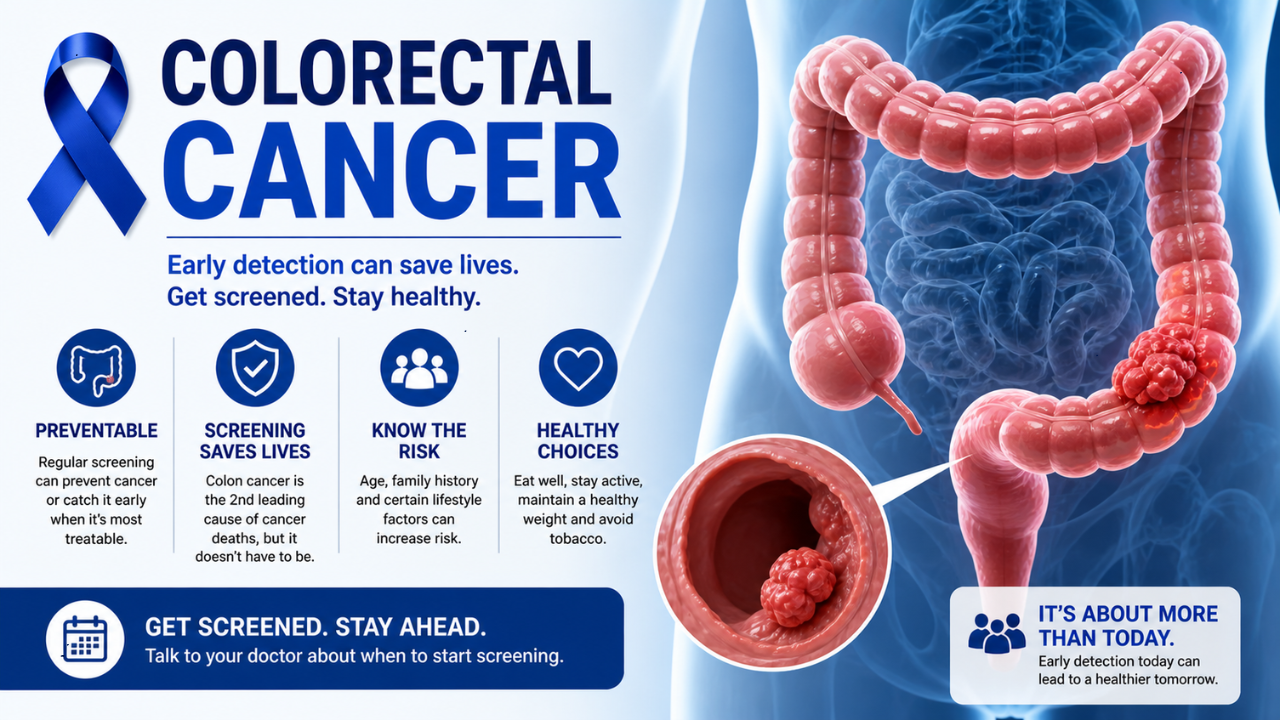
India has long been considered a low-incidence country for colorectal cancer, but that picture is changing fast. Based on current trends, India could see a sharp rise in colorectal cancer cases and deaths by 2035, driven largely by rapid urbanization and the widespread adoption of westernized lifestyles. The burden is expected to hit urban populations hardest, making timely awareness and screening no longer optional, but essential.A Younger Face On An Older DiseasePerhaps the most alarming shift is who is getting diagnosed. Over the past decade, there has been a worrying increase in colorectal cancer among younger Indians, patients in their 40s and 50s who would not traditionally have been considered high risk. Clinical observations suggest that as many as one in five colorectal cancer patients today falls into this younger age group.What makes this particularly concerning is not just the frequency, but the severity. These younger patients are presenting with more node-positive disease and poorer tumor histology than their older counterparts. The cancer is often more aggressive and more advanced at the time of diagnosis, a direct consequence of delayed recognition and a lack of awareness among younger demographics.Symptoms That Are Too Often DismissedThe red flags for colorectal cancer are not subtle. Rectal bleeding, persistent abdominal discomfort, pain, and a noticeable change in bowel habits are the most common warning signs. In some cases, patients may present with bowel obstruction. And yet, these symptoms are routinely dismissed, mistaken for hemorrhoids, acidity, or irritable bowel syndrome, until the disease has progressed significantly.The message from clinicians is unambiguous – never ignore these symptoms, regardless of age.Who Is At Highest Risk?While colorectal cancer can affect anyone, certain individuals carry a substantially higher risk and should be especially vigilant. These include those with a family history of colorectal or uterine cancer, patients with inflammatory bowel disease, individuals with multiple gastrointestinal polyps, and those with features suggestive of hereditary cancer syndromes.For anyone with a relevant family history, specialists strongly advise seeking a formal genetic risk assessment. Early identification of hereditary risk can be lifesaving, and the conversation with a doctor should not be delayed.Screening: The Most Powerful Tool AvailableThe most effective way to defeat cancer is to detect it early, ideally before it becomes cancer at all.While routine population-level colorectal cancer screening is not yet standard practice in India, advanced diagnostic tools are increasingly available at quaternary care centers. These include colonoscopy, fecal occult blood testing, CT colonography, flexible sigmoidoscopy, double-contrast barium enema, and DNA stool testing. Importantly, these methods can identify precancerous polyps before malignant transformation, providing an opportunity to intervene well before a cancer develops.In Western countries, organized screening programs have already demonstrated meaningful reductions in colorectal cancer mortality. The tools are now available in India; what is needed is the awareness and urgency to use them.Treatment Has Never Been More SophisticatedFor those who do receive a colorectal cancer diagnosis, the landscape of treatment has transformed dramatically over the past two decades. Leading oncology centers in India now follow a personalized, multidisciplinary approach combining surgery, combination chemotherapy, radiation where indicated, and biomarker-guided targeted therapies tailored to each patient's tumor profile.In metastatic disease, targeted therapies designed around tumor characteristics and biomarkers have revolutionized outcomes. Minimally invasive techniques, including laparoscopic surgery and advanced robotic surgical systems such as the Da Vinci Xi, have made recovery faster, less painful, and significantly shorter, improving quality of life alongside survival rates.Even Metastatic Disease Is Not A Death SentenceAdvanced or metastatic colorectal cancer does not mean the end of hope. With modern chemotherapy and immunotherapy protocols, many patients with liver or lung metastases are being successfully downstaged, allowing surgical intervention that was previously not possible.Specialized centres in India are now performing high volumes of parenchyma-sparing, image-guided liver resections for colorectal liver metastasis, with outcomes comparable to the best institutions globally.The Way ForwardThe priorities are clear: build awareness around symptoms, promote regular screening among high-risk individuals, and ensure that those diagnosed, at any stage, have access to specialized, multidisciplinary care.Colorectal cancer, even when diagnosed late, is increasingly a beatable disease. The combination of early detection, advanced treatment, and the right medical expertise means that for a growing number of patients, a return to normal life is not just possible, it is the expectation.