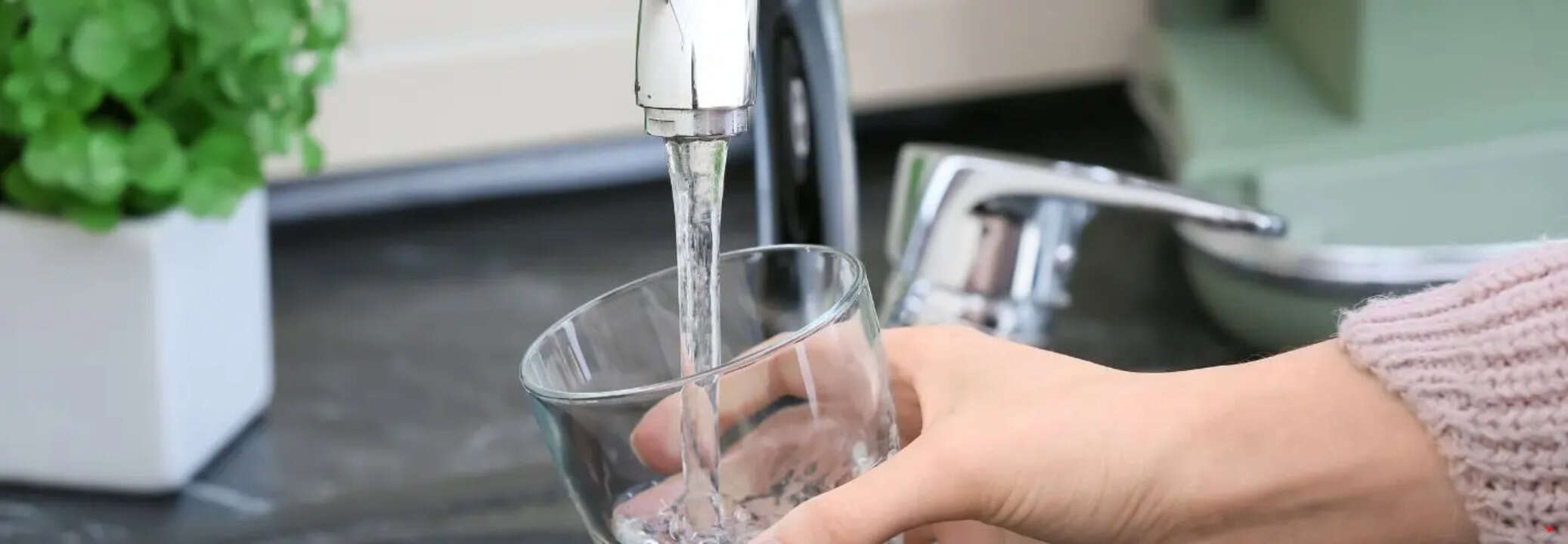
Microplastics—those invisible particles of plastic pollution—may be doing more than just contaminating the environment. According to recent findings presented at the American Heart Association (AHA), they could also be silently contributing to clogged arteries, potentially raising the risk of heart attacks and strokes.In a study that’s turning heads in the medical community, researchers discovered that fatty plaques found in neck arteries—known as carotid arteries—contained over 50 times more microplastic content compared to plaque-free arteries. Even more concerning, these microplastic concentrations were found to be significantly higher in individuals who had already suffered from a stroke, mini-stroke, or temporary vision loss caused by restricted blood flow.What Exactly Are Microplastics?Microplastics are extremely small particles—often less than five millimeters in size—created when larger pieces of plastic break down. They can enter the human body in multiple ways: through the air we breathe, the food we eat, and even skin contact. An even smaller subset, known as nanoplastics, measures under 1,000 nanometers and is completely invisible to the naked eye. Because of their minuscule size, these particles can infiltrate tissues, organs, and potentially disrupt biological functions.The accumulation of microplastics in arterial plaques introduces a new dimension to the ongoing conversation about cardiovascular risk factors. While high cholesterol, smoking, and hypertension remain the usual suspects, environmental pollutants like microplastics are emerging as a stealthy but significant threat.A Simple Solution In Your Kitchen?Amid growing concerns about microplastic contamination, especially in drinking water, scientists have been working on practical ways to mitigate exposure. In 2024, a research team from Guangzhou Medical Centre made a breakthrough. They discovered that a common household activity—boiling water—can significantly reduce microplastic content in tap water.According to the team, combining boiling with basic filtration can remove up to 90% of nanoplastic and microplastic particles (NMPs) from household water. However, the method’s effectiveness varied depending on the type of water used. In areas where tap water contains higher mineral content, commonly referred to as "hard water," the technique proved especially efficient.The secret lies in limescale. As hard water is heated, it forms limescale—a chalky white substance—which appears to create a sticky layer that traps microplastic fragments. Researchers found this natural process enhanced the removal of plastic particles from water, offering a practical and affordable solution for most households.While more research is needed to fully understand the long-term health effects of microplastics, early evidence suggests they may be more dangerous than previously thought—especially for cardiovascular health. Taking simple precautions, such as boiling and filtering drinking water, could help reduce exposure and offer a small but meaningful step toward safeguarding your heart and overall well-being.