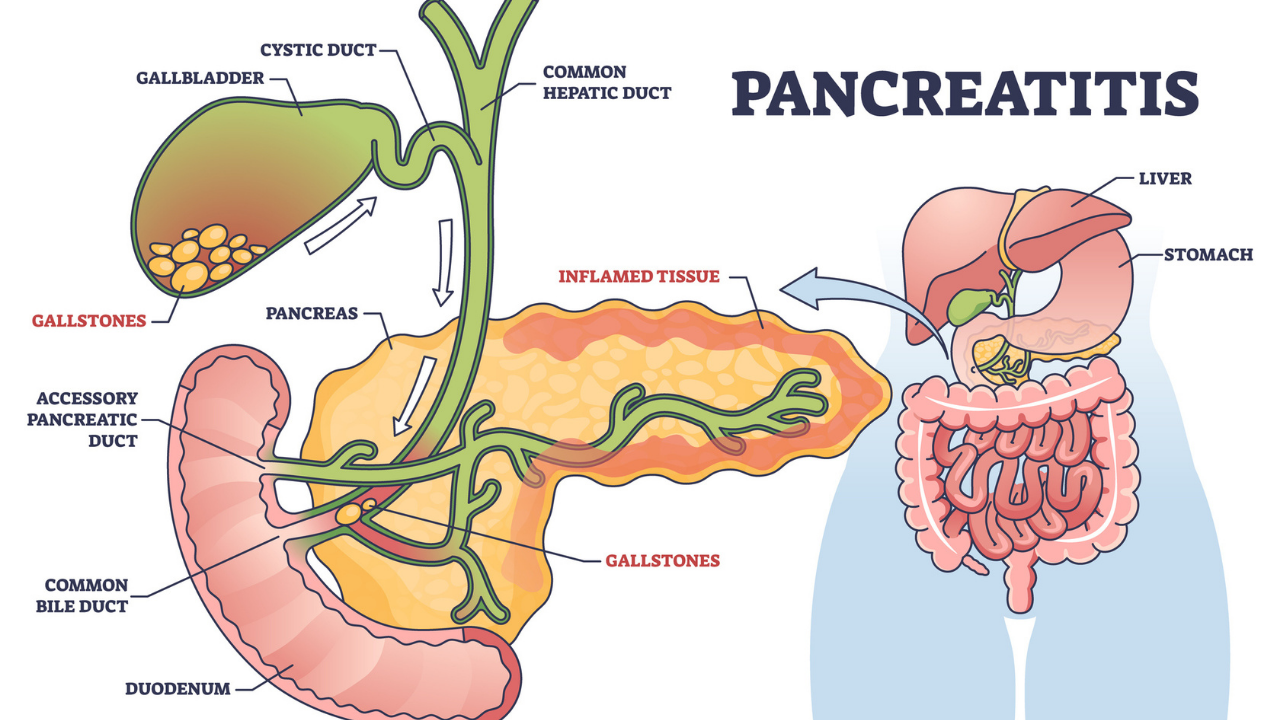
Recurring abdominal pain is often dismissed as acidity or indigestion. This becomes a matter of concern when persistent pain reaches the back and causes vomiting and weight loss. These are symptoms of a more serious disease such as chronic pancreatitis.A recent case highlights the importance of recognizing the condition early. A 35-year-old mother of two had been living with severe upper abdominal pain for nearly three years. She experienced episodes that required hospital admission. Upon detailed investigations, it was confirmed to be a case of chronic idiopathic calcific pancreatitis. Long-standing inflammation had caused stones to develop within the pancreatic duct, which blocked the normal flow of digestive juices and triggered repeated attacks of pain. The underlying problem remained unresolved. To the patient, the mental toll of being a daily-wage worker came with loss of income and disruption to family life.Chronic pancreatitis is when repeated inflammation causes permanent damage to the pancreas. Gradually, the gland becomes scarred, the pancreatic duct narrows, and stones develop. Pressure within the pancreas increases, thereby causing recurrent abdominal pain. As the disease advances, patients may also develop difficulty digesting food, unintended weight loss, nutritional deficiencies, and diabetes due to loss of pancreatic function. There exist multiple causes of chronic pancreatitis such as alcohol, gallstones, smoking, genetic disorders, autoimmune diseases and certain metabolic conditions. In a proportion of patients, no definite cause can be identified despite extensive evaluation.Diagnosis is made on clinical grounds and imaging modalities such as ultrasound, CT scan, or MRI, which are helpful in identifying changes in the pancreas and detecting ductal stones. Early diagnosis is essential to prevent further complications and long-term outcomes. Treatment is modified according to the severity of the illness and the patient's signs and symptoms. Initial management is done in the form of dietary modifications, enzyme supplementation, and avoidance of substances such as alcohol and tobacco. However, when pain persists despite medical treatment, surgery may be required to relieve the obstruction and restore pancreatic drainage. This also occurs when stones obstruct the pancreatic duct,In this patient's case, the severity of the case warranted surgery in order to ensure the best chance of lasting relief. Prior to the surgery, the patient consulted multiple hospitals before treatment. She underwent a minimally invasive robotic-assisted procedure to remove the pancreatic duct stones and create a new drainage pathway for pancreatic secretions. She had been advised open surgery but delayed it because she feared the large incision and long recovery; before this, she was admitted every 2-3 months for severe pain. The surgery was performed through small incisions with reduced tissue trauma as compared to conventional open surgery. The recovery was unsuccessful, and the patient was discharged with pancreatic enzyme supplementation.Three months later, she was free from the disabling pain that had dominated her life. She had returned to work and was able to resume her daily routine.Available treatment options have increased due to minimally invasive and robotic techniques for selected patients, but they may not be suitable for everyone. The choice of treatment is dependent on multiple factors such as the stage of the disease, the anatomy of the pancreas, and the patient's overall condition.The more important message, however, extends beyond surgery. Persistent pain should never be ignored or considered a common passing occurrence; neither should it be repeatedly treated with painkillers without identifying the cause.Earlier diagnosis and timely referral can be encouraged by raising awareness amongst the general public to prevent recurring hospital visits. Awareness can make the difference between years of repeated hospitalizations and a return to a healthier, more productive life.(Dr. Sreedhara V., Surgical Gastroenterologist, Apollo Hospitals Bannerghatta Road, Bengaluru)