
- Health Conditions A-Z
- Health & Wellness
- Nutrition
- Fitness
- Health News
- Ayurveda
- Videos
- Medicine A-Z
- Parenting
Does Your Imagination Feel More Like Reality? Science Has An Answer For It

Credit: Unsplash
Often, we underestimate the way our brain works and daydreaming has long been seen as a major sign of creativity. Many artists have used their imagination to bring their work to life. However, science offers a different perspective.
Coined in 2002 Dr. Eliezer Somer, those who experience “maladaptive daydreaming” often fantasize about celebrities, historical figures or idealized versions of themselves. Their imaginations are more elaborate, diverse, and complex as compared to other daydreamers.
A 2012 Consciousness and Cognition study found that maladaptive daydreamers spend, on average, 57 percent of their waking hours daydreaming far more than their counterparts.
Dr Somer explains: "The greatest difference is the maladaptive daydreamers reported that the activity interfered with their daily life. They also reported higher rates of attention-deficit and obsessive compulsive symptoms, and more than 80% used kinesthetic activity or movement when daydreaming, such as rocking, pacing or spinning"
He further noted that while everyone experiences moments of mind-wandering, it usually does not interfere with daily life. But maladaptive daydreaming does interfere in regular life. The condition has not been classified as a mental illness and there is no treatment for it yet.
What Do People Say?
Many Reddit users have shared their experiences with maladaptive daydreaming, often asking questions such as: “Is it normal to daydream for such long hours?”
While some responses described daydreaming as a form of dissociation when bored, others relied on music or movies to fuel fantasies of being a “better version” of themselves, often struggling to return to reality.
Common Symptoms Of Maladaptive Daydreaming
Here are some early signs of maladaptive daydreaming to keep an eye out for:
- Compulsive need to daydream
- Avoiding social interaction and activities
- An inability to perform work or other daily tasks
- Extreme feelings of shame or guilt
- Feeling a compulsive need to daydream that you can't control
- Making a conscious effort to stop or lessen daydreaming episodes.
- Intense and extremely vivid daydreams
- Complex and elaborate daydreams, often with many people involved
- Daydreams accompanied by repetitive movements such as pacing
- Prolonged daydreams that may last hours at a time
- A feeling of disconnect or dissociation from people and reality during the episode.
What Does Science Say?
Researchers do not classify maladaptive daydreaming as a mental illness, since it lacks physical symptoms. However, it clearly interferes with daily functioning, with many individuals preferring to daydream over real-life activities.Rachel Bennett, a member of Dr. Somer’s online community, shared she usually dreams up new episodes of her favorite Japanese animé characters and TV shows. She’s also created four families of fictional characters which have grown with her over the years.
“I’d much rather stay home and daydream than go out,” she said.
What Causes Maladaptive Daydreaming?
Dr. Somer noted that about one-quarter of maladaptive daydreamers are trauma survivors who use daydreaming as an escape. Many report family members with similar tendencies, as well as being shy or socially isolated.
Meanwhile, a Harvard Medical study found that 80 percent of maladaptive daydreamers have ADHD, followed by anxiety disorders, depression, and OCD. Researchers believe daydreaming often acts as a coping mechanism for pent-up emotions that cannot be expressed in real life, so they are released through imagination instead.
How Do You Cope With Maladaptive Daydreaming?
Experts emphasize that maladaptive daydreaming is not an extreme condition requiring formal diagnosis, but many people have shared strategies that help:
- Exercise: One forum user reported swimming daily, gradually reaching 2,000 meters, which acted as meditation and grounded them in reality.
- Remove triggers: Avoid activities that spark daydreaming episodes.
- Practice mindfulness: Stay present and aware of thoughts.
- Limit music use: Music is a common trigger.
- Scheduled daydreaming: Set aside specific times with a timer, then consciously exit the session.
- Seek professional help: Therapies such as CBT, DBT, and mindfulness-based stress reduction have shown benefits.
- Stay busy: Engage in tasks to prevent wandering thoughts.
- Improve sleep quality.
- Make daydreams less appealing: Reduce instant gratification.
- Self-development and creativity: Channel imagination into productive outlets.
- Journaling: Record thoughts daily or weekly.
- Practice self-acceptance.
- Find group support.
Do We Now Have A Shot For Blood Pressure? here's What You Should Know

Credits: Canva
A new review published in The Lancet highlights how close this shift may be. The study underscores a hard truth: despite having effective medicines for years, global blood pressure control remains disappointingly poor. The real challenge, experts say, is not the absence of drugs—but problems with adherence, health systems, and long-term patient engagement.
The Unrelenting Burden of a Silent Killer
Hypertension continues to be the leading cause of heart attacks, strokes and premature deaths worldwide. The World Health Organization (WHO) defines high blood pressure as readings at or above 140 mm Hg systolic and/or 90 mm Hg diastolic. A normal reading is below 120/80 mm Hg.
The numbers are staggering. Between 2024 and 2025, an estimated 1.4 billion adults aged 30 to 79—roughly one in three people in this age group—are living with hypertension globally. Nearly 44 percent do not even know they have it. Among those diagnosed, fewer than one in four have their blood pressure adequately controlled.
India reflects this alarming trend. The ICMR-INDIAB study (2023) estimated that about 315 million Indians—35.5 percent of the population—have hypertension. Data from NFHS-5 further showed that nearly half of hypertensive men and more than a third of hypertensive women in India do not have their condition under control.
Why Daily Pills Are Falling Short
For decades, hypertension treatment has relied on daily oral medications—often combinations of two or more drugs. These may include ACE inhibitors, angiotensin receptor blockers paired with calcium channel blockers, and thiazide diuretics.
On paper, these regimens are effective. In reality, adherence is the weak link.
Many patients with hypertension also manage diabetes, obesity or high cholesterol. The result is polypharmacy—multiple pills, multiple times a day. Over time, missed doses, side effects and simple “treatment fatigue” erode consistency. Therapeutic inertia—where doctors do not intensify treatment despite poor control—further worsens outcomes.
The Rise of Long-Acting Injectables
This is where long-acting injectable therapies come in. According to Dr Mohit Gupta, cardiologist at G B Pant Hospital and UCMS, the field is now moving toward therapies that may be administered just twice a year.
Unlike traditional medicines that work downstream to reduce blood pressure numbers, these new drugs target upstream molecular pathways that drive hypertension.
One promising approach involves small interfering RNA (siRNA) therapies that inhibit angiotensinogen production in the liver. By silencing this protein, they dampen the renin–angiotensin system—central to blood pressure regulation. Zilebesiran, developed by Roche and Alnylam, is currently in global phase 3 trials.
Another candidate, ziltivekimab by Novo Nordisk, targets inflammatory pathways increasingly linked to cardiovascular risk. There are also newer strategies aimed at selectively modulating aldosterone, a hormone that increases blood volume and pressure.
The appeal is simple: durability. A twice-yearly injection could eliminate the daily burden of pill-taking, improve adherence and provide more stable blood pressure control over time.
Promise, But With Caution
However, excitement is tempered by concern. Cost remains a major question. The recent introduction of inclisiran, an injectable cholesterol-lowering therapy priced between Rs 1.8 and 2.4 lakh annually in India, highlights affordability challenges.
Long-term safety is another critical issue. Hypertension is lifelong. Patients may require these treatments for decades. Experts stress the need for robust long-term data across diverse populations before widespread adoption.
The promise is undeniable. A twice-yearly injection that reliably controls blood pressure could transform preventive cardiology. But its true impact will depend not only on scientific success—but on accessibility, affordability and sustained safety.
4 In 10 Indians Have Fatty Liver Disease, Reveals A Lancet Report
Credits: iStock
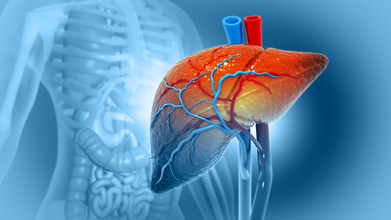
A new Lancet study titled Burden of MASLD and liver fibrosis: evidence from the Phenome India cohort published in The Lancet Regional Health - South Asia found that nearly four in 10 Indian adults have fatty liver or what scientifically is known as the metabolic dysfunction-associated steatotic liver disease (MASLD), formerly non as NAFLD or non-alcoholic fatty liver disease.
The study also highlights a more worrying condition that a sizeable proportion of the Indian population already show signs of liver fibrosis. This is an early scarring process that could lead to cirrhosis or liver cancer if left unchecked.
Lancet Study: How Was It Conducted?
The study analyzed data from more than 7,700 adults across 27 cities in India. The study found that 38.9 per cent of participants had MASLD. The authors also noted that this figure is similar to the global estimates, however, is deeply concerning for India's population and size of the country, including the ever-rising burden of diabetes and obesity.
The study also found that 6.3 per cent of people who live with MASLD had significant liver fibrosis, as compared to 1.7 per cent of those without fatty liver.
Read: Indians Are At Most Risk Of Having Fatty Liver Disease, According To Doctor
The study also found that 2.4 per cent of the entire population analyzed showed evidence of significant fibrosis. Why is this concerning? Fibrosis is a strong predicator of future complications. With the advancement of scarring, liver failure, cirrhosis, and liver caser risk also rises.
Lancet Study: Who Are At Risk?
The study found that people with obesity, diabetes, and central or abdominal fat were more likely to have MASLD. Obesity also was seen as the strongest risk factor, with likelihood rising steeply from overweight to severe obesity.
Another factor was also age. Liver fibrosis was seen in adults over the age of 60 years and in people with diabetes, among whom nearly one in ten showed fibrotic changes.
The study also showed that there was a presence of "Lean MASLD", which means it could also happen in people who are not overweight and have a normal body mass index. This is often linked to insulin resistance and visceral fat, which is the fat around internal organs. This tend to accumulate abdominal fat even at lower body weights.
Lancet Study: Can MASLD And Other Liver Diseases Be Prevented?
As per the authors of the study, MASLD is highly modifiable, especially at early stages. There are evidence that show that weight loss reduces liver fat and inflammation. Regular physical activity also improves insulin sensitivity, along with balanced diet. The diet must be consumed without or with very low sugar and ultra-processed food, which helps in control of diabetes and cholesterol and slows down disease progression.
Authors also noted that people should get their fatty liver disease scanned regularly. Especially because MASLD is common among people with obesity and diabetes. There are many non-aggressive tools that could also detect fibrosis early.
A Year After RFK JR Promised To Make America Healthy Again, What Actually Happened?
Credits: Wikimedia and Modified by AI and Canva
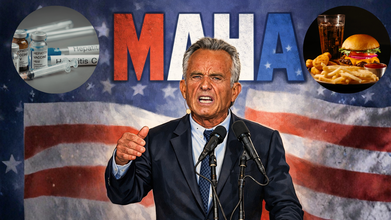
When Robert F Kennedy Jr took charge of America's health as the Secretary of Health and Human Services in 2025, the promise was sweeping. It included: restoring trust, clean up the food supply, rethink vaccine, though he clearly did state during debates that he is not against it, and reshape a system he said had failed many families for decades.
On February 13, 2025, the day he was sworn in, the US President Trump said, "Our public health system has squandered the trust of our citizens. They don’t trust us. They don’t trust anybody, frankly. They’ve gone through hell.” Trump promised that Kennedy would "lead out campaign of historic reforms and restore faith in American health care". A year from now, Health and Me analyzes those MAHA (Make America Healthy Again) promises.
he Make America Healthy Again (MAHA) movement produced policy changes, lawsuits, agency upheavals and intense public debate, but also falling trust in public health agencies and uncertain long-term impact.
Read: I'm Not Afraid Of Germs, I Snorted Cocaine Off Toilet Seats, Says US Secretary of Health, RFK Jr
The Fight Against Ultra Processed Foods
Kennedy’s campaign had centered on a simple message: American children are sicker because their food is broken. As health secretary, he created a MAHA Commission to investigate children’s health.
Its first report blamed rising chronic illness partly on diet and raised alarms about herbicides like glyphosate and atrazine being found in children and pregnant women. Farmers and food companies revolted, lobbying lawmakers in agricultural states.
The backlash worked. By the commission’s follow-up report in September, pesticide references had vanished entirely, a clear sign of political limits.
Read: Under RFK Jr's MAHA, More Food Dyes Are Getting Banned In US
Still, Kennedy pushed nutrition policy aggressively. New dietary guidelines promoted whole milk, red meat and less ultraprocessed food. Supporters applauded a focus on real food, and food companies even pledged to remove artificial dyes by 2027.
But critics said the results were partial at best. Nutrition expert Dr. Marion Nestle told CNN that despite momentum, progress stalled: “One big disappointment is the lack of progress on removing industrial and agricultural chemicals from the food supply.”
An Anti-vaxxer's Vaccine Policy
No area defined Kennedy’s first year more than vaccines.
He fired members of a CDC advisory panel, replaced them, sometimes with skeptics, and cut the list of routinely recommended childhood vaccines from 17 to 11, aligning the U.S. closer to Denmark’s schedule. Several vaccines, including flu and hepatitis A, were removed from routine recommendations.
Supporters framed it as restoring parental choice. Critics called it dangerous.
Read: RFK Jr. Removes Entire CDC Vaccine Advisory Committee
Yale public health expert Dr. Jason Schwartz told CNN the consequences could be severe: “Today, the federal government’s public health agencies and leaders represent the greatest threat to efforts to prevent measles… a scenario that would have been inconceivable a few years ago.”
Outbreaks soon followed, measles deaths returned after a decade without them. And polling showed trust in the CDC falling from 59% to 47%.
Kennedy argued declining trust started before him and that transparency would fix it. But many scientists disagreed. Infectious disease expert Dr. Michael Osterholm told CNN the new approach replaced evidence with politics: “Decisions are being made based on ideology.”
Health Agencies Saw A Lot Of Hirings, Firings, And Restructuring
Within days of Kennedy’s swearing-in, thousands of employees across CDC, FDA and NIH were fired in a sweeping reorganization aimed at shrinking the department by about 20,000 workers.
Leadership churn followed. A CDC director was ousted, nominees withdrawn, senior officials resigned, and a major shooting at CDC headquarters, carried out by a man angry about vaccines, intensified tensions. Hundreds of staff later urged Kennedy to stop spreading misinformation.
Researchers warned expertise was disappearing. Johns Hopkins epidemiologist Dr. Caitlin Rivers told CNN local health departments depend on federal specialists: "A lot of those people aren’t there anymore.”
Read: How Susan Monarez's Appoint As CDC Director Can Change US Health Sector?
Meanwhile, Kennedy struggled with forces outside his control. According to Politico reporting, his attempts to regulate agricultural chemicals faltered because authority belonged to the Environmental Protection Agency and Republican lawmakers pushed back heavily.
At the Food and Drug Administration, Kennedy’s agenda pulled in two directions.
On one hand, the administration sought cheaper drugs and faster access. On the other, it raised evidence standards and blocked or slowed approvals, including scrutiny of a muscular dystrophy therapy after patient deaths.
Also Read: Top U.S. Medical Associations Ousted from CDC Vaccine Workgroups in Sudden Shake-Up
Even allies noticed contradictions. The agency alternated between right-to-try deregulation and skepticism toward pharmaceutical safety. The result: uncertainty for both industry and patients.
Restoring Faith In Public Health
Trump promised Kennedy would restore faith in public health. Instead, surveys show trust in both health agencies and Kennedy himself fell.
Read: What Is 'Make America Healthy Again' All About?
Nutrition reforms gained modest support. Drug price messaging resonated politically. But experts repeatedly emphasized the same conclusion: vaccine policy overshadowed everything else.
Nutrition policy expert Dr. Jerold Mande told CNN messaging that authorities had lied for decades may have backfired:
“Most people will take from that: we shouldn’t trust anybody."
- Follow Us :


© 2024 Bennett, Coleman & Company Limited