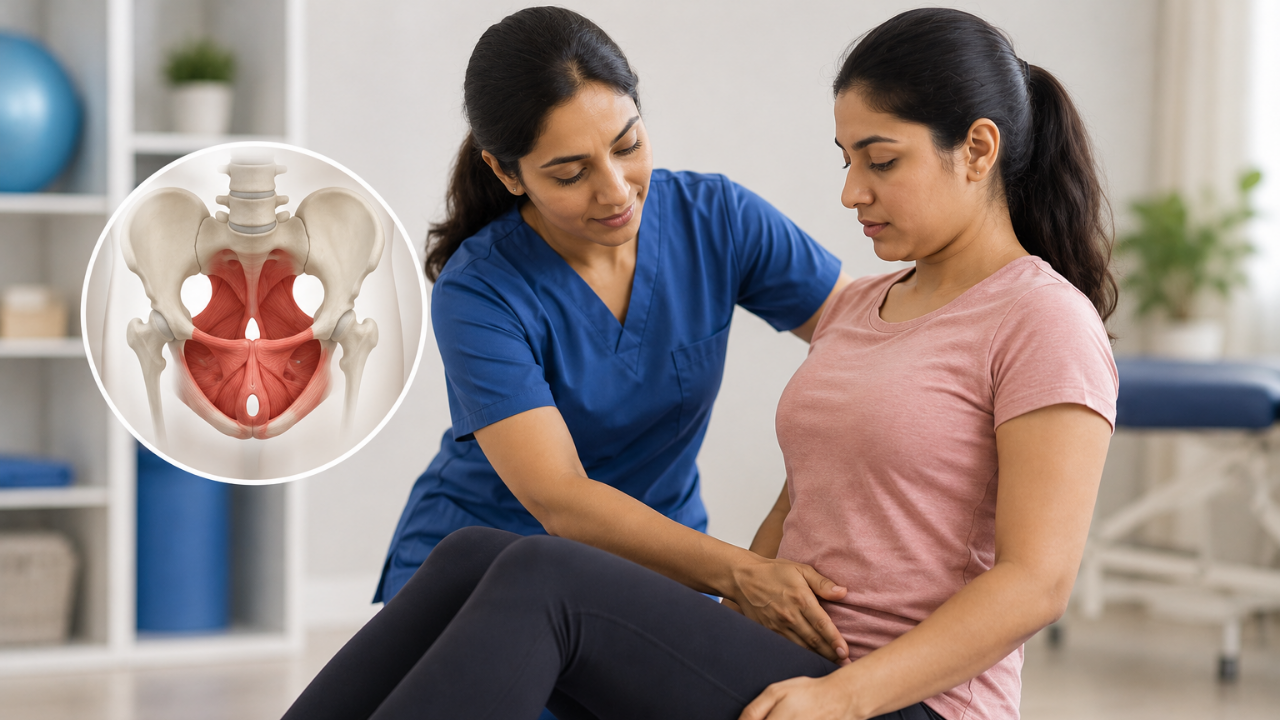
Urine leakage after pregnancy is a common occurrence in many women. It is considered a normal part of motherhood. However, it doesn't have to be. Urine leakage can occur after childbirth, but persistent symptoms should not be ignored or tolerated just because you feel that it is not a big deal. It will be imperative for women to consult a pelvic health physiotherapist to examine the pelvic floor and guide women with the help of personalised rehabilitation for improving bladder control and recovering quickly.Pregnancy and childbirth lead to changes in a woman's body. However, there can also be an impact on the muscles and tissues that support the bladder, uterus, and bowel. Hence, many women can experience urine leakage while coughing, sneezing, laughing, exercising, or lifting their baby after delivery. Vaginal delivery, prolonged labour, multiple pregnancies, a larger baby, excess weight, and chronic constipation can also cause pressure on the pelvic floor. So, the pelvic floor is a group of muscles that supports the pelvic organs and also contributes to bladder and bowel control.During pregnancy, these muscles carry load, and childbirth can further stretch or affect their strength and even coordination. Hence, stress urinary incontinence is seen in women post-pregnancy, wherein the urine leaks during activities that increase pressure inside the abdomen. Some women may experience urinary urgency, difficulty controlling urine, pelvic heaviness, or discomfort during physical activity. Even signs such as vaginal pressure and heaviness, urinary leakage during exercise, or difficulty controlling gas can also indicate pelvic floor dysfunction.Also read: Daraxonrasib: US FDA Approves Once-Daily Pill for Metastatic Pancreatic CancerWhy Pelvic Floor Recovery Is More Than Just Kegel ExercisesPelvic floor recovery is more than just doing Kegel exercises: Pelvic floor muscle exercises, commonly known as Kegels, will help to enhance muscle strength and bladder control if done as recommended by the expert. However, not everyone will need the same type or intensity of pelvic floor exercise. Some women tend to have weak pelvic floor muscles, while others may have muscles that are poorly coordinated. So, a pelvic health physiotherapist will help to assess pelvic floor strength, relaxation, coordination, breathing patterns, posture, and abdominal muscle function. The expert will also help women to understand how the pelvic floor responds to activities such as coughing, lifting, or exercise. The aim will be to have a stronger pelvic floor contract and relax muscles when the body needs it. Breathing and pressure management within the abdomen will also be crucial for women during exercise and doing daily activities. Women may need guidance before returning to running, jumping, gym workouts, or other high-impact activities. Recovery should also be gradual.Also read: What Happens When Kidney Function Declines: Understanding The Stages Of Chronic Kidney DiseaseWhat Women Can Do To Support Pelvic Floor Health What women should know: It will be important for women to maintain an optimum weight, exercise daily, quit smoking, avoid constipation by having fiber in the diet and staying hydrated. Quit smoking, use appropriate lifting techniques to reduce unnecessary strain on the pelvic floor, and don’t hold urine for a long time. Women who opted for a Caesarean section should also ensure they prevent pelvic problems. Pregnancy itself causes pressure on the pelvic floor, so pelvic floor rehabilitation can be recommended for women with a C-section. Motherhood should not mean silently living with bladder problems. So, pelvic floor rehabilitation can improve bladder control and confidence in women.