
- Health Conditions A-Z
- Health & Wellness
- Nutrition
- Fitness
- Health News
- Ayurveda
- Videos
- Medicine A-Z
- Parenting
Experts Warn Why You Should Pay Attention To Baby Food Labels

Credit: My Pedia Clinic
Many packaged baby foods marketed as healthy may contain hidden sugars and ultra-processed ingredients that can shape a child’s taste preferences and long-term health.
Brightly packaged baby cereals, fruit pouches, snack puffs and flavored yoghurts use “natural”, “organic” and “doctor recommended” labels to advertise their nutritional value and reassure parents.
“What shocked me was the top ingredient in 71% of these baby foods wasn’t a fruit or vegetable, it was one or more additives,” said Dunford, who is also a consultant at The George Institute for Global Health.
However, packaged baby food is instead packed with artificial additives and highly processed components such as carrageenan, xanthan and guar gum.
Why Ultra Processed Baby Foods?
The majority of packaged baby foods are classified as ultraprocessed because they undergo extensive industrial manufacturing and contain ingredients rarely found in a home kitchen.
Rather than using whole, simple foods, many manufacturers rely on heavy processing steps that strip away natural nutrients.
Key Indicators of Ultra Processed Food
Refined Bases: Many ready-to-eat snacks, like puffs, use refined starches and flours as their primary ingredients instead of whole grains.
Not Real Whole Fruit: Many brands often claim whole fruit however; they only provide taste and sweetness without the beneficial fiber and nutrients of the original fruit.
Hidden Sugars and Fillers: Products like flavored cereals frequently contain maltodextrin, added sugars and flavor enhancers to improve palatability.
Industrial Additives: To ensure shelf stability and consistent texture, these foods are often loaded with stabilizers, preservatives, and emulsifiers.
Which Additives That Parents Should Know About?
Even when a product claims to have "no added sugar," it can still be packed with sweeteners. Manufacturers frequently use fruit juice concentrates, corn syrup solids and glucose-based ingredients to enhance flavor.
These concentrated sugars train a baby’s developing palate. Early exposure to intense sweetness can create a lifelong preference for sugary foods, increasing the risk of poor dietary habits in adulthood.
2. "Natural Flavors"
The term "natural flavor" is often misunderstood. While the origin of the flavor must be a natural source, the final additive is often heavily modified in a laboratory.
These substances are engineered to make processed food taste more appealing than it naturally would, which can distort a child's appreciation for the taste of whole, fresh foods.
3. Stabilizers and Gums
To ensure a product looks perfect after sitting on a shelf for months, companies add stabilizers and industrial gums.
These additives create a permanent, uniform texture that prevents the food from separating or changing consistency during storage.
How To know If Baby Food Is Ultra Processed?
Check first three ingredients: Ingredients are listed by weight. If refined flour, fruit concentrates, or syrups appear in the top three, the product is highly processed.Hidden sweeteners: Sweeteners like dextrose, glucose syrup, malt extract, and corn solids are just fancy names for Sugar.
Go For Shorter lists: Avoid long lists of chemical sounding names.
Why Does Early Nutrition Matter?
Critical Development Window: Infancy is the primary period for both physical growth and brain maturity.Nutritious food: Babies require high nourished foods high in vitamins, minerals, healthy fats, and proteins rather than just calories.
Freshness: Fresh consistently provide higher levels of essential nutrients compared to any packaged or processed product.
Palate Programming: This stage establishes a child’s lifelong food habits. Processed baby foods can systematically eliminate whole food choices by training the child to prefer artificial textures and flavors.
Adulthood: Early nutrition is a key pillar of foundational health; the quality of food a baby eats now sets the biological template for their health in adulthood.
How To Give Baby Nutritional Food?
Homemade food: Cooking at home allows for complete management of every ingredient, ensuring no hidden additives or preservatives enter your baby's diet.Natural Choices: Simple combinations such as mashed fruits, steamed vegetables, dal, khichdi, and curd provide essential nutrients without artificial components.
Minimal Processing: If buying packaged, choose single-ingredient products, plain vegetable purees or unsweetened cereals to avoid hidden flavors.
NOTE: A shorter ingredient list is always the safest and healthiest choice for your child.
Early Warning Signs of Tobacco-Related Diseases That We Should Not Ignore

Credit: iStock
For many people, tobacco does not begin as an addiction; it starts as a habit woven into ordinary moments of daily life. A cigarette shared with friends, a smoke break during a stressful day, or chewing tobacco after meals can soon become a routine that feels difficult to avoid.
While these habits may seem harmless in the beginning, tobacco slowly affects nearly every organ in the body, often giving subtle warning signs long before a serious disease is diagnosed.
When The Body Starts Giving Signals
These effects rarely manifest suddenly and usually come after years of prolonged use. It is this slow progress that leads most tobacco users to believe that "I am fine." But there are unmistakable signs of some diseases brought about by the use of tobacco that ought not to be dismissed:
- The Persistent Cough: A cough that has lasted for more than two to three weeks, becomes progressively worse each day, and is associated with a wheeze.
- Unexplained Fatigue: A person feeling breathless or unnaturally tired after having climbed a couple of stairs or walking a short distance can easily attribute this to general fatigue.
- Weight Fluctuations: The unexplained drop in weight can also be caused by some diseases that tobacco is likely to inflict upon the body.
Changes Inside the Mouth
Oral cancer caused by tobacco often appears initially in the form of persistent mouth ulcers, white or red patches inside the mouth, and jaw stiffness. These painful and irritating conditions can be so subtle that a person is not concerned by them.
Persistent changes like the change in your voice pitch or constant throat irritation are not to be taken lightly, either; they could be signs of deeper problems arising. Seeking medical help when it is still in the superficial stages will not only decrease your chances of being treated with aggressive measures but may actually result in an easier way to fight the condition.
Beyond Lungs: Other Effects of the Illness
Tobacco affects much more than just the lungs, and many symptoms associated with chronic conditions often go unnoticed.
- Cardiovascular Strain: Dizziness and chest heaviness are indications of heart problems caused by the presence of toxins in the body.
- Physical Discomfort: Headaches or leg edema may sometimes be seen as manifestations of blood vessel disorders.
The Untapped Power of Prevention
The most important remedy at our disposal is not a complicated surgery but an accurate identification of such conditions at their superficial stage, allowing for minimal and non-invasive treatments.
The human body is an incredibly powerful machine at healing, and the instant the consumption of tobacco ceases, a chain of events kicks off that increases circulation and improves lung function.
If you ever find yourself dealing with a persistent cough, mouth ulcer, or undue fatigue, it is advisable to visit a specialist at the earliest to prevent future complications.
(By Dr Yash Mathur, Senior Head, Neck, Oral, and Robotic Onco-Surgeon at HCG Cancer Hospital, Borivali, Mumbai)
The Rising Impact Of Screen Time On Vision—Are We Heading Toward A New Epidemic?

Credit: iStock
A growing body of global research is beginning to point in one direction: our eyes are under strain like never before. As per the report published on PubMed, myopia is projected to rise significantly worldwide, increasing from about 27% of the global population in 2010 to nearly 52% by 2050, highlighting its emergence as a major public health concern.
Although genetics has long contributed, there appears to be a significant environmental factor associated with how fast this shift has occurred.
Screens have become an integrated part of everyday lives, from the time of waking up to work on digital screens or scroll through phones late into the night. Digital devices are no longer optional but a constant priority.
Work, education, and entertainment are all now done on screens with little or no interruption. The growing generation of gadgets has its own advantages, but its impact has significantly contributed to the alarming rise in cases of myopia.
The Science Behind the Surge: Why Our Eyes Are Struggling
There are three major significant ways prolonged screen time could affect vision:
- Near Vision strain - Prolonged near-vision focus places a constant strain on the eye muscles, causing them to remain contracted. This will eventually lead to elongation of the eyeball and myopia.
- Reduced Blinking due to dry eyes - Screen use decreases the rate of blinking, which causes the eyes to dry out, leading to irritation and instability.
- Lack of Sunlight - Less time outdoors reduces the opportunity to receive sunlight. Sunlight exposure is especially important in children for proper vision development.
From Temporary Strain to Long-Term Damage
Mild discomfort, such as dryness, headaches, and blurred vision, can lead to more chronic issues. Digital eye strain is common among adults and children alike. However, the long-term outcome is the main concern.
Progressive myopia increases the chances of developing serious eye diseases like glaucoma, retinal detachment, and macular degeneration, and having to wear stronger prescription glasses. These aren't just short-term inconveniences; they can create lifelong risks that severely affect the quality of life.
The Post-Pandemic Effect: A Generation at Risk
The days when children spent their time flying kites, playing marbles, feeling the wind on their faces, and returning home with dust-covered hands have gradually faded into memory. The COVID-19 pandemic accelerated an already existing trend.
The screen time increased as many schools transitioned to online education and remote workers increased due to the pandemic. Above all, children experienced a sudden reduction in outdoor activity with increased exposure to digital devices.
The phase indicated a noticeable drop in the vision of the people. This period has often been referred to as a phase of “quarantine myopia,” where many young individuals reported a noticeable decline in vision.
As individuals return to normalcy, the habits that were established are continuing, and concern is being raised about a generation having poorer visual health.
Prevention Over Cure: Rethinking Visual Hygiene
Consistent habits are needed to address this issue:
- 20-20-20 rule: After every 20 minutes of looking at a digital device with stress, try to look at something far away (at least 20 feet away) for approximately 20 seconds to relax your eye muscles and reduce the stress placed on your eyes.
- Limit recreational screen time: Reducing the amount of time spent using screens will help reduce the likelihood of developing eye strain and progression of myopia, especially in children.
- Proper viewing distance and posture: Keeping screens at approximately one arm's length will help to minimise the amount of stress placed on your eyes and body.
- Encourage Outdoor Activity: Children between the ages of 6 and 16 years should be encouraged to engage in outdoor activities more frequently and not replace books with tablets or iPads.
- Mandatory Vision Screening: Vision screening and eye check-ups prior to school admissions should be made mandatory by the government, as early detection of myopia can help prevent further complications.
A Call for Collective Responsibility
The increase in use of screens is not an isolated event; it is part of the larger trend affecting how we live and work. To address this issue, we need to develop awareness among individuals, families, schools, and workplaces about proper screen use. A balanced daily routine, guided by parents, plays a crucial role in maintaining healthy vision in children.
Collective responsibility among teachers, parents, and government authorities is essential to prevent visual complications, as children represent our future generations. Greater public awareness around digital eye strain and eye health is also necessary, as it often serves as a precursor to multiple health complications.
Eye health must be seen as an essential part of overall well-being. The current trend may still be a developing issue, but it requires urgent attention. Acting early, with informed choices and preventive care, can ensure that technological progress does not come at the cost of long-term vision health.
That Persistent Hip Pain Could Be an Early Warning Sign of Bone Damage
Credit: iStock
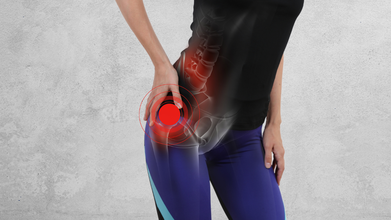
Persistent hip pain is often dismissed as a muscle strain, poor posture, or fatigue. However, doctors warn that ongoing pain in the hip could sometimes be a signal for avascular necrosis (AVN) or osteonecrosis. This is a condition where reduced blood supply causes bone tissue to die. It may eventually lead to the collapse of the hip joint and serious mobility issues.
What Is Avascular Necrosis?
Avascular necrosis occurs when blood flow to a bone is interrupted or significantly reduced. The condition most commonly affects the hip joint, especially the femoral head (the rounded top portion of the thigh bone that fits into the hip socket). Over time, a lack of blood supply weakens the bone and may cause damage to the joint.
Early Symptoms Often Go Ignored
One of the biggest challenges with it is that symptoms appear gradually. In the early stages, people may only notice mild discomfort in the groin or hip area. As the disease progresses, pain may become more persistent. It can even worsen walking, climbing stairs, or standing for long periods. Some patients might eventually experience pain even while resting.
Who Is at Higher Risk?
Several factors can increase the likelihood of developing AVN. Long-term steroid use, excessive alcohol, hip injuries, fractures, and certain medical conditions such as lupus and sickle cell disease are known risk factors.
Delayed Treatment Can Lead to Joint Collapse
If AVN continues to progress, the weakened bone may eventually collapse. This can lead to severe arthritis and chronic pain. In advanced stages, patients may struggle with everyday activities such as walking, bending, or even standing for extended periods. Doctors say delayed diagnosis is one of the biggest reasons many patients require joint replacement surgery later.
Why Early Diagnosis Matters
Early diagnosis is crucial because treatment works best before the bone collapses. MRI scans and imaging tests can help detect the condition in its early stages. Treatment may include medications, physical therapy, or surgery in advanced cases. Early medical attention may help preserve the joint and prevent permanent damage.
- Follow Us :


© 2024 Bennett, Coleman & Company Limited