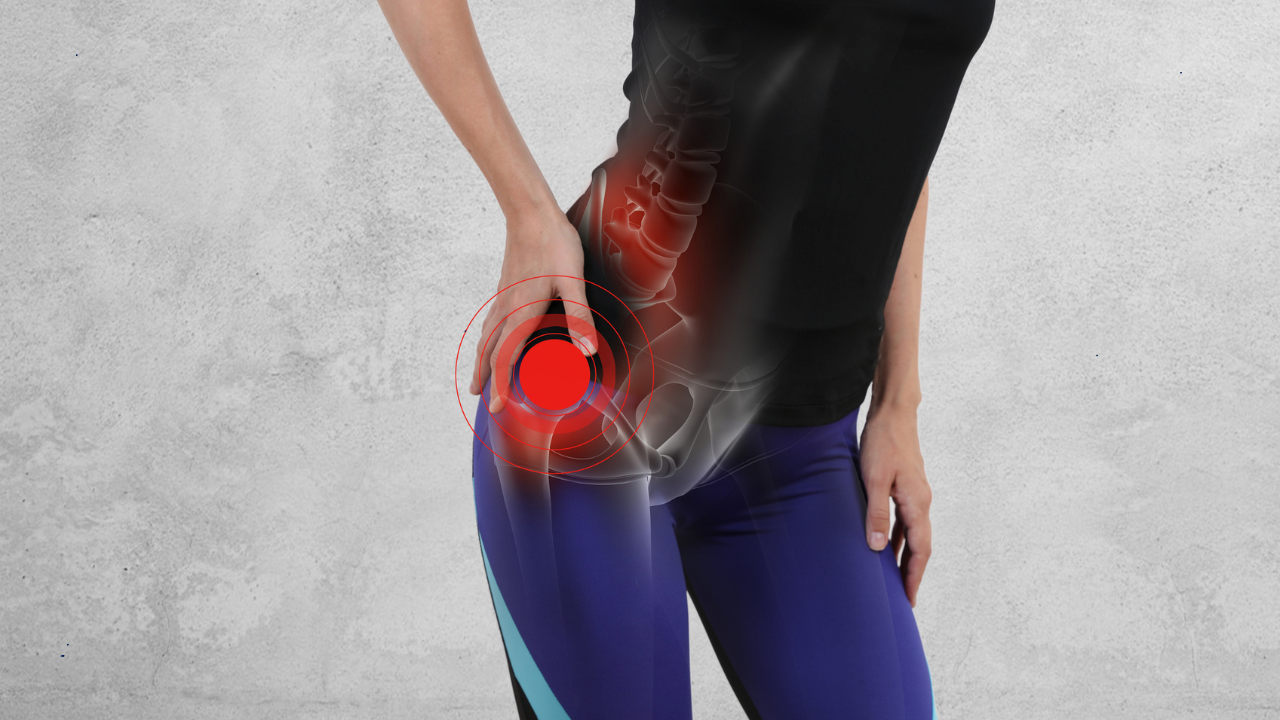
Persistent hip pain is often dismissed as a muscle strain, poor posture, or fatigue. However, doctors warn that ongoing pain in the hip could sometimes be a signal for avascular necrosis (AVN) or osteonecrosis. This is a condition where reduced blood supply causes bone tissue to die. It may eventually lead to the collapse of the hip joint and serious mobility issues.What Is Avascular Necrosis?Avascular necrosis occurs when blood flow to a bone is interrupted or significantly reduced. The condition most commonly affects the hip joint, especially the femoral head (the rounded top portion of the thigh bone that fits into the hip socket). Over time, a lack of blood supply weakens the bone and may cause damage to the joint.Early Symptoms Often Go IgnoredOne of the biggest challenges with it is that symptoms appear gradually. In the early stages, people may only notice mild discomfort in the groin or hip area. As the disease progresses, pain may become more persistent. It can even worsen walking, climbing stairs, or standing for long periods. Some patients might eventually experience pain even while resting.Who Is at Higher Risk?Several factors can increase the likelihood of developing AVN. Long-term steroid use, excessive alcohol, hip injuries, fractures, and certain medical conditions such as lupus and sickle cell disease are known risk factors.Delayed Treatment Can Lead to Joint CollapseIf AVN continues to progress, the weakened bone may eventually collapse. This can lead to severe arthritis and chronic pain. In advanced stages, patients may struggle with everyday activities such as walking, bending, or even standing for extended periods. Doctors say delayed diagnosis is one of the biggest reasons many patients require joint replacement surgery later. Why Early Diagnosis MattersEarly diagnosis is crucial because treatment works best before the bone collapses. MRI scans and imaging tests can help detect the condition in its early stages. Treatment may include medications, physical therapy, or surgery in advanced cases. Early medical attention may help preserve the joint and prevent permanent damage.