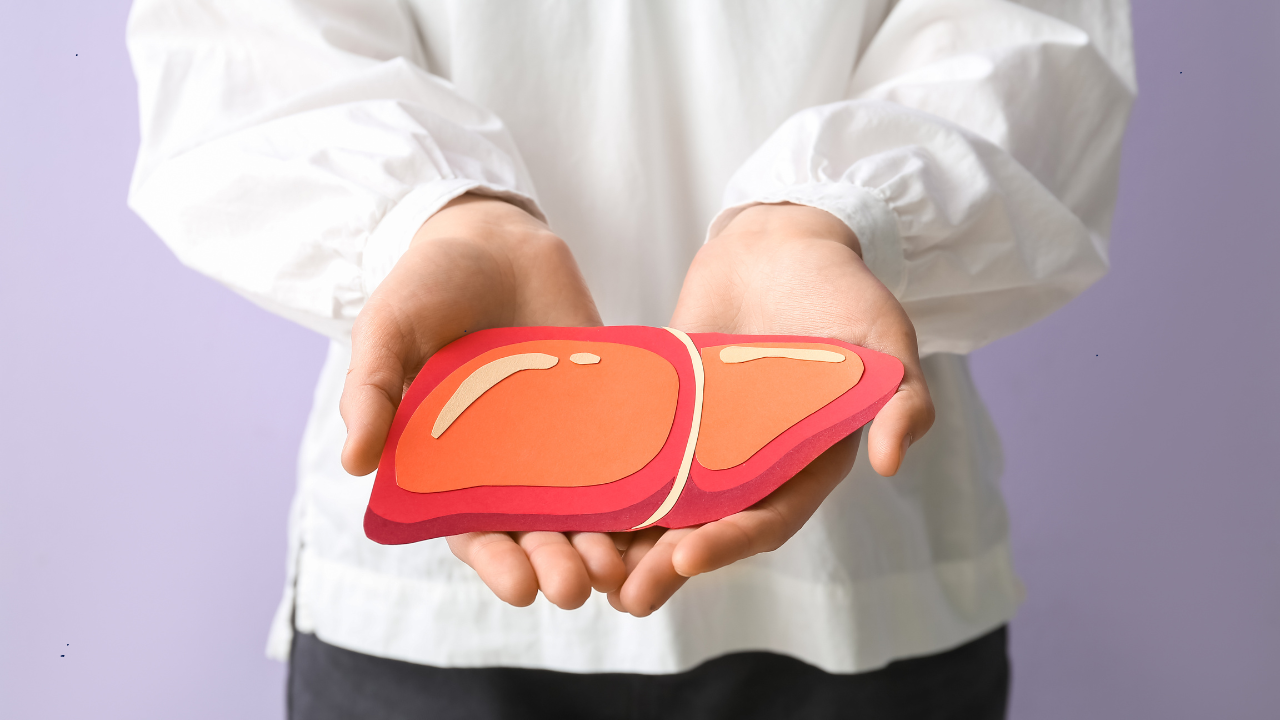
The liver is one of the body’s most dependable organs, quietly doing its job in the background every single day. It handles over 500 essential functions—from filtering out toxins and producing key proteins to helping with digestion through bile and keeping your metabolism running smoothly. Most of the time, it does all of this without demanding attention.For years, liver disease has largely been associated with alcohol. But today, a quieter and increasingly common condition is coming into focus: Non-Alcoholic Fatty Liver Disease (NAFLD), or steatosis. Closely linked to the way we live today, it is affecting a growing number of people, often without any clear warning signs. At the heart of this shift are three closely linked factors: ongoing stress, everyday eating habits that have slowly gone off track, and a noticeable drop in physical activity.Stress, though often brushed aside, has a real and lasting impact on metabolic health. When the body is constantly in a “fight or flight” mode, cortisol levels stay high. Over time, this often shows up as fat, especially around the abdomen, while also affecting how the body handles insulin. As cells become less responsive, insulin levels rise, and the excess glucose is eventually stored as fat. This fat doesn’t just remain visible; it can quietly accumulate in the liver and begin to interfere with how it works. At the same time, persistent low-grade inflammation creates a setting where the condition can slowly worsen over time.Diet plays an important role as well. Regularly eating processed foods, refined carbs, and added sugars can quietly tip the body into a calorie surplus, slowly straining its metabolic balance. Fructose—commonly found in sweetened drinks and packaged foods—is largely processed by the liver, putting even more pressure on it over time. When consumed in excess, it pushes the body to convert more sugar into fat, which then starts building up within liver cells over time.A sedentary lifestyle only adds to this, often without us even realizing it. Because there is little mobility, the body becomes inefficient in using fats and carbohydrates. Over time, weight gain occurs, the body develops insulin resistance, and fatty deposits begin to form in the liver.Sleep, which is usually ignored, is crucial. If there is insufficient or poor-quality sleep, the body’s circadian rhythm will be disrupted, as well as hormones like ghrelin and leptin, which regulate feelings of hunger and fullness. This increases food consumption and reduces energy expenditure, enabling fat deposition.The hardest thing about NAFLD is that it is a silent disease. In the first stages of NAFLD, there will be no symptoms felt by the patient. This condition is often diagnosed incidentally when patients undergo physical checkups. Thus, untreated steatosis would eventually turn into NASH, wherein inflammation and injury of liver cells occur. The process then proceeds to fibrosis, cirrhosis, and in severe cases, transplantation of the liver.The reassuring part is that NAFLD can often be reversed when caught early. In many cases, it comes down to simple, steady choices, eating balanced meals with whole grains, fruits, vegetables, and lean proteins, and staying physically active. Small habits like managing stress through mindfulness or yoga, and getting enough sleep, can make a real difference to metabolic health.For those at higher risk, including people with obesity, diabetes, or high cholesterol, regular health check-ups become especially important. Spotting the condition early gives you a chance to act before it moves into more serious stages.The liver, after all, keeps working quietly in the background every single day. Looking after it doesn’t require anything extreme, just consistent, everyday choices that add up over time.