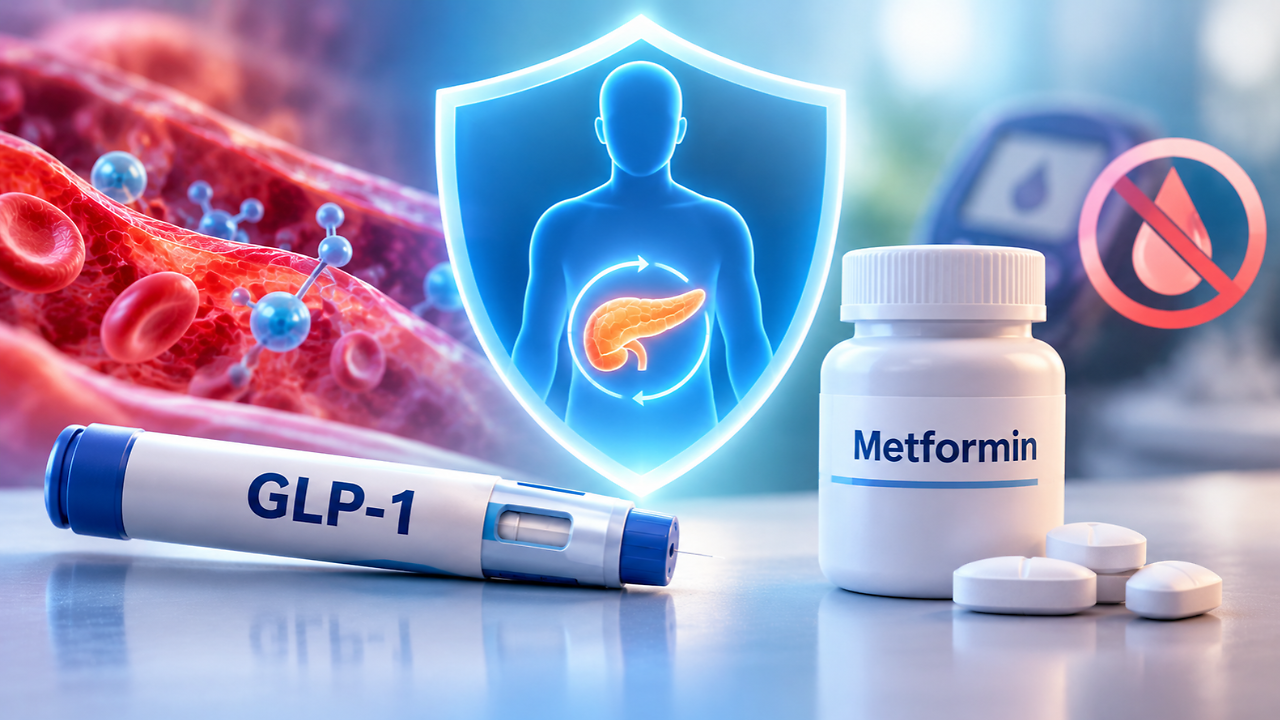
Metformin has been long used to manage diabetes. But a major analysis based on more than 256,000 adults with obesity and prediabetes has found that people who take GLP-1 medications like Ozempic and Mounjaro were less likely to develop type 2 diabetes than those taking metformin. The study also found that people taking GLP-1 medications were more likely to return to normal blood sugar levels and had lower risks of heart attacks, strokes, heart failure and death from any cause compared to those taking metformin.More About The StudyThe findings come from preliminary research presented at the American Heart Association's (AHA) Scientific Sessions 2026. Researchers compared health records of adults to both obesity and prediabetes to examine whether GLP-1 medications could help prevent the progression to type 2 diabetes.According to the AHA, the analysis included 256,492 adults, with an average age of 52 years. Women accounted for 76% of the participants.About half of the participants were taking GLP-1-based medications, including semaglutide, tirzepatide, liraglutide and dulaglutide, while the remaining participants were taking metformin.Researchers used electronic health records from the TriNetX global multicentre network, which included 104 institutions. The records covered the period from 2010 to 2023. The participants were followed for an average of approximately three years.The researchers matched participants based on factors such as age, existing health conditions, including high blood pressure and sleep apnoea, nicotine dependence and other medications.Also read: ‘Godzilla’ Drug Retatrutide Reverses Sleep Apnea In 1 In 4 Diabetes PatientsGLP-1 Drugs Linked To 31% Lower Risk Of Type 2 DiabetesCompared to people on metformin, those taking GLP-1 medications had a 31% lower risk of developing type 2 diabetes.They were also 1.5 times more likely to return to normal blood sugar levels, suggesting that the medications may help reverse the progression from prediabetes in some people.The analysis also identified differences in cardiovascular results. Compared to the metformin group, people taking GLP-1 medications had:15% fewer heart attacks20% fewer strokes25% fewer cases of heart failure8% fewer cases of atrial fibrillation, a common type of irregular heartbeatThe risk of death from any cause was also 41% lower among people taking GLP-1 medications.Also read: Could GLP-1 Drugs Help Prevent Rupture Of Abdominal Aortic Aneurysm? Study Finds 46% Reduction In RiskGLP-1 Drugs Could Be Considered Earlier For Some PatientsMost earlier research on GLP-1 medications has focused on people who already have type 2 diabetes. This analysis examined their benefits at an earlier stage, when blood sugar levels are higher than normal but have enough for a diabetes diagnosis.Commenting on the findings, study author Vinicius de Sousa Barzon Serra, MD, a research fellow in the Department of Cardiovascular Medicine at Mayo Clinic in Scottsdale, Arizona, said, “The great news with prediabetes is that it’s still possible to reverse the progression of the disease.”He added, “This research may add to the case for considering GLP-1 medications earlier for certain patients, rather than waiting until they develop Type 2 diabetes.”However, Serra said the findings do not mean metformin should be replaced by GLP-1 medications.“The main effect these findings could have is on the shared decision-making discussion between doctors and patients exploring various treatment options, and the pros and cons for each,” he said.“Metformin is still a first-line treatment choice. It is safe, inexpensive and has a long track record. This is less about replacing one medication with another and more about discussing additional options with specific patients,” he added.Serra also highlighted the importance of lifestyle changes in preventing diabetes.“It's important to note that an essential component of prediabetes treatment is lifestyle changes to manage weight, including diet and exercise and considering medications, including metformin, based on each individual's overall health and any other medical conditions,” he said.Weight Loss May Contribute To The BenefitsRobert Eckel, MD, FAHA, a former volunteer president of the American Heart Association and professor of medicine emeritus at the University of Colorado Anschutz Medical Campus, said the findings were not surprising. “The benefits noted in this study likely relates to the patients losing weight, which is known to help prevent Type 2 diabetes,” said Eckel.He explained that preventing the progression from prediabetes to type 2 diabetes could also help reduce cardiovascular complications.“Preventing the progression from pre-diabetes to Type 2 diabetes keeps patients from having Type 2 diabetes, and it also helps prevent heart attack and strokes,” he said.Eckel added, “GLP-1s provide another option for prevention, perhaps as an add-on therapy. However, costs and access to these medications are important factors.”The findings should not be interpreted as evidence that Ozempic or Mounjaro is superior to metformin for every person with prediabetes.The American Diabetes Association's 2026 Standards of Care identify metformin as an option for people at particularly high risk of developing type 2 diabetes, including adults aged 25 to 59 years with a BMI of 35 or higher, higher blood glucose levels or a history of gestational diabetes.The guidelines also say that metformin has the most robust evidence for pharmacological diabetes prevention. While GLP-1-based therapies can be considered for weight management in people with overweight or obesity, long-term evidence does not currently support using glucose-lowering medications other than metformin solely for the purpose of preventing type 2 diabetes.