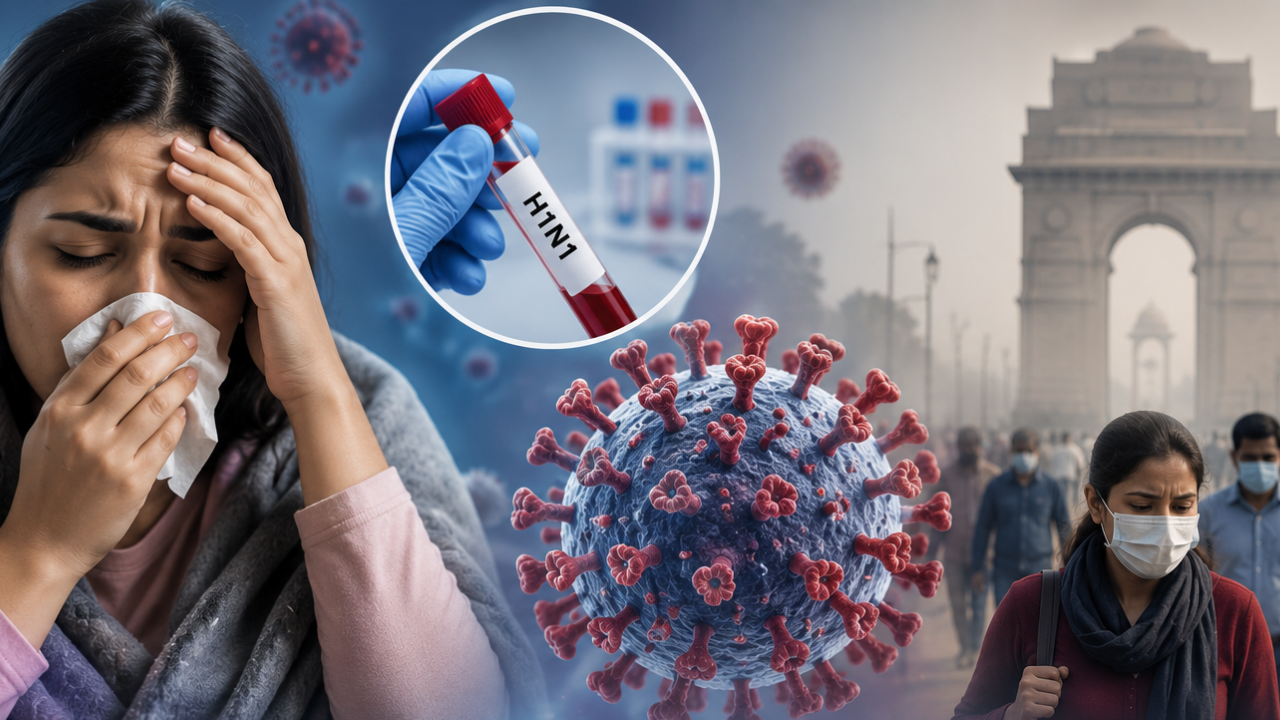
Delhi has issued a public health advisory amid a sharp rise in H1N1, commonly known as swine flu, cases. Health authorities urging residents to follow respiratory hygiene, avoid crowded places and seek medical advice if flu-like symptoms develop.The national capital has reported more than 1,777 H1N1 cases so far this year, including 114 new infections recorded on August 20 alone, according to the latest health department data. Overall, Delhi has reported more than 2,300 Influenza-A cases in 2026. The sudden surge has prompted the Centre and Delhi authorities to step up surveillance and hospital preparedness. Health officials have also stressed that people should not panic but take necessary precautions to avoid getting sick.Delhi Sees A Sharp Rise In H1N1 CasesAccording to health department, Delhi had recorded 2,392 Influenza-A cases by August 21, of which 1,777 were H1N1. The tally also included H1 and H3 infections and other Influenza-A strains. The current number is significantly higher than the corresponding period last year. Public health experts have also described some of the H1N1 cases being seen this season as relatively severe.Dr Chandrakant Lahariya, a public health expert, said H1N1 is not a new subtype and has been known for years, but the current surge needs to be taken seriously. Also read: Delhi H1N1 Cases Rise To 1,777: Patients Reporting Diarrhea, Muscle Pain, Drop In Oxygen Levels, Say DoctorsHumid Weather Could Be A Major Factor Doctors have linked the increase to the seasonal pattern of respiratory infections during the monsoon, when humidity, changing temperatures and increased indoor contact can facilitate the spread of respiratory viruses.Dr Neetu Jain, senior consultant in pulmonary, critical care and sleep medicine at PSRI Hospital, told PTI, “H1N1 cases are particularly high in Delhi-NCR this year.”She also said the number of cases was reported to be around six times higher than previous years and noted that high temperatures and humidity may contribute to the increase in flu and other viral infections. Common SymptomsH1N1 infection can mimic other viral respiratory illnesses. Common symptoms include:FeverCoughSore throatRunny or blocked noseHeadacheBody achesChillsFatigue and weaknessSome people recover without complications, but influenza can become serious, particularly in young children, older adults, pregnant women and people with weak immune systems. Difficulty in breathing, chest pain, drowsiness, low blood pressure, bluish discolouration or worsening of an existing medical condition are among warning signs that need urgent medical attention. Also read: Human H1N2v Swine Flu Case Detected In China: Should You Worry?Doctors Advise Against Self-MedicationWith flu cases rising, doctors are also urging people not to assume that every fever or cough is H1N1 and start medicines without medical advice.Dr Jain described H1N1 as a “fairly treatable illness”, while noting that it can become serious in vulnerable people. Antiviral medicines may be prescribed in appropriate cases, along with supportive treatment. The Delhi government's advisory recommends several basic measures to reduce transmission. People are being urged to wear masks in crowded places, cover their mouth and nose while coughing or sneezing, wash their hands frequently and avoid close contact with people showing respiratory symptoms. Residents have also been advised not to touch their eyes, nose or mouth unnecessarily and to avoid spitting in public places.People who develop flu-like symptoms should stay away from others where possible and seek medical advice, particularly if symptoms become severe. Strenghtening Healthcare System Authorities have also increased monitoring across the healthcare system. Thirty-five hospitals are under special surveillance, while referral laboratories at AIIMS and the National Centre for Disease Control (NCDC) are available for testing and confirmation. Hospitals and district health authorities have been asked to strengthen monitoring of influenza-like illness, severe respiratory infections and COVID-19. Union Health Minister JP Nadda has also reviewed Delhi's preparedness amid the rise in H1N1 cases, with authorities instructed to focus on surveillance, early detection and timely treatment.