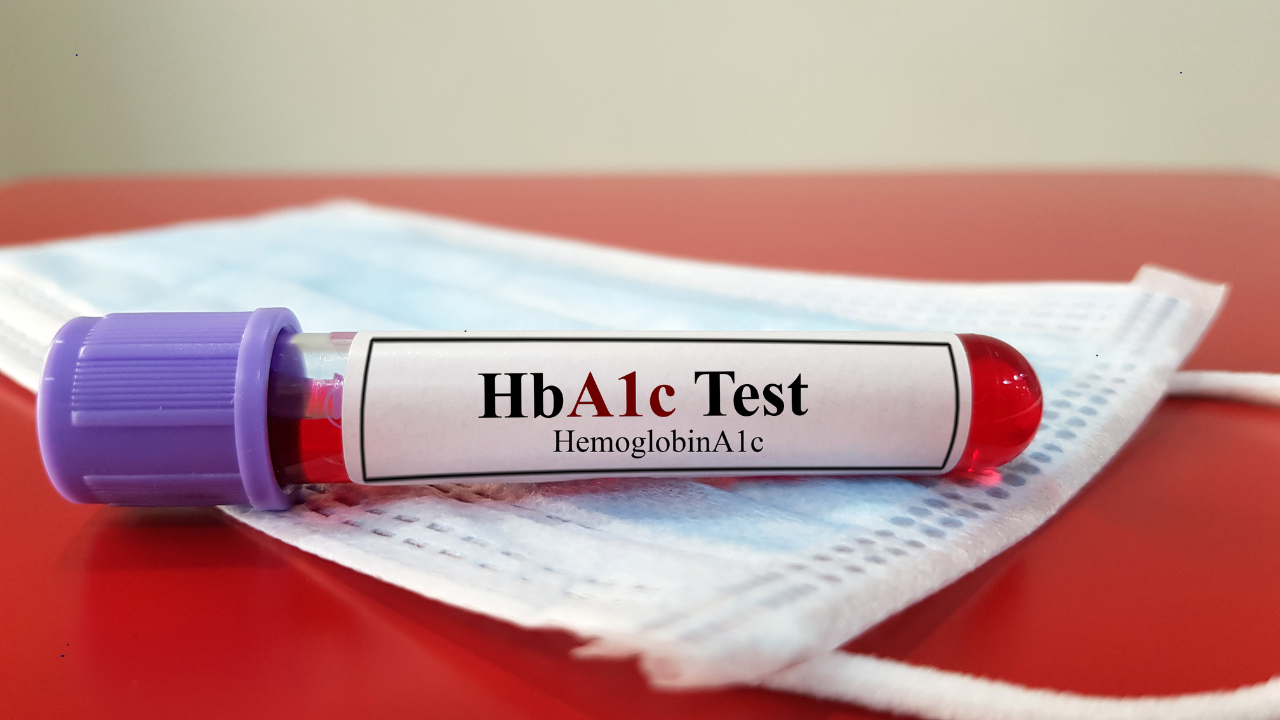
The HbA1c test, also known as glycated hemoglobin, is a blood test that measures the average blood sugar levels over the past two to three months. When glucose circulates in the blood, a portion of it attaches to hemoglobin in red blood cells. The HbA1c test measures the percentage of haemoglobin that has glucose attached to it.Unlike fasting blood sugar tests, HbA1c does not require the individual to come on an empty stomach. This makes it convenient and practical for routine diabetes care.Why Is HbA1c Important In Diabetes Management?HbA1c plays a crucial role in monitoring diabetes. For individuals with diabetes, the test is usually recommended once every three months. It provides a long-term picture of blood sugar control rather than a single-day reading.Maintaining an HbA1c level below 7 percent is generally considered good control for many adults with diabetes. Studies have consistently shown that keeping HbA1c within the target range reduces the risk of complications affecting the eyes, kidneys, nerves, and heart. For this reason, HbA1c is considered the gold standard for assessing long-term diabetes control.Can HbA1c Be Used to Diagnose Diabetes?HbA1c is widely used in diabetes care, but it should not be used alone to diagnose diabetes, especially in countries like India.The American Diabetes Association (ADA) recommends an HbA1c value of 6.5 percent or more to diagnose diabetes and 5.7 percent to 6.4 percent for prediabetes. However, the World Health Organization (WHO) accepts HbA1c ≥ 6.5 percent for diagnosing diabetes only under strict quality conditions. Moreover, the WHO does not recommend HbA1c alone to diagnose prediabetes and advises caution in populations where conditions affecting accuracy are common.In reality, many factors can affect HbA1c results. Conditions such as anemia, iron deficiency, hemoglobin disorders, and certain medicines can give falsely high or falsely low readings. Differences in laboratory methods can also affect accuracy.Because of these issues, blood glucose–based tests such as fasting plasma glucose and the oral glucose tolerance test are more reliable for confirming diabetes. HbA1c should not be the only test used to confirm diabetes.In summary, HbA1c is a very useful test for monitoring long-term blood sugar control, but it has limitations in diagnosis. It should always be used together with other blood sugar tests for accurate results.