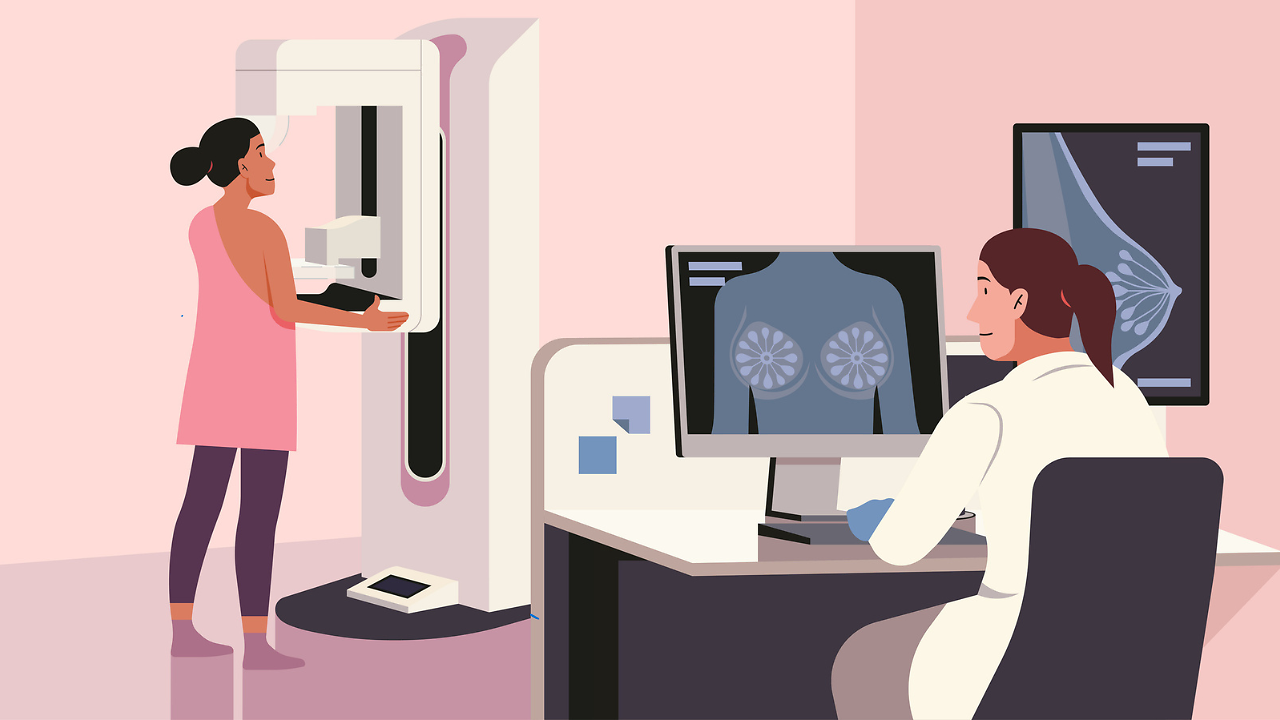
A mammogram is routinely used to detect early signs of breast cancer, but the imaging test may also provide clues about a woman’s cardiovascular health.Cardiovascular disease is a major cause of death among women. Yet, experts say heart disease in women can be overlooked because symptoms and risk factors may differ from the patterns traditionally associated with men.Why Heart Disease Can Be Missed In WomenProf Rob Galloway of University Hospitals Sussex NHS Foundation Trust, writing in the Daily Mail, highlighted the need to identify cardiovascular disease in women earlier.Citing a 2021 The Lancet study, he noted that women with cardiovascular disease remain “understudied, under-recognized, underdiagnosed, and undertreated.”Galloway said he regularly sees women, particularly those in their 60s, arriving in emergency care with heart attacks after earlier symptoms were attributed to less serious causes.“If that had been recognized, she could have been admitted, and if needed, had a stent (a mesh tube) inserted to open the artery before it was blocked,” he wrote.“The truth is doctors are not as good as we should be at recognizing heart disease in women, or understanding their risk,” he added.Heart Attack Symptoms May Look Different In Women Women may experience heart attacks differently, with symptoms such as breathlessness, nausea, fatigue, or back, neck and jaw pain. Galloway also highlighted female-specific risk factors, which include:Preeclampsia or high blood pressure during pregnancyGestational diabetesPremature menopausePolycystic ovary syndrome (PCOS)He said these factors are not always routinely included when assessing a woman’s long-term cardiovascular risk. What Can A Mammogram Reveal About Heart Risk? Prof Galloway suggested that routine breast screening could potentially offer another opportunity to identify cardiovascular risk.When blood vessels are damaged, calcium can accumulate in their walls. Mammograms can sometimes detect calcium deposits in the arteries of the breast, known as breast arterial calcification (BAC).BAC is different from calcium buildup in the coronary arteries, but its presence has been associated with a higher risk of cardiovascular events such as heart attack and stroke. Some radiologists may therefore flag the finding to the treating doctor.Could AI Detect Heart Risk From Mammograms?Prof Galloway also discussed the potential role of artificial intelligence in identifying and measuring breast arterial calcification.A European Heart Journal study used AI to assess mammograms from over 123,500 US women. Compared with no calcification, mild breast arterial calcification was linked to a 30% higher cardiovascular event risk, moderate to 75–80% higher risk, and severe to roughly three times higher risk. The association persisted even after researchers accounted for established cardiovascular risk factors such as obesity and smoking.Could Mammograms Become A Cardiovascular Screening Tool?Prof Galloway said that the potential advantage is that the mammogram has already been performed for breast screening. If arterial calcification is identified, that information could potentially be included with the screening result and prompt a broader cardiovascular risk assessment.Depending on the woman's overall risk, doctors could then consider measures such as more intensive management of blood pressure or cholesterol.A coronary artery calcium scan is another way to assess calcium buildup in the arteries supplying the heart. It uses a CT scan to detect and measure coronary artery calcium and can help inform cardiovascular risk assessment in appropriate patients.