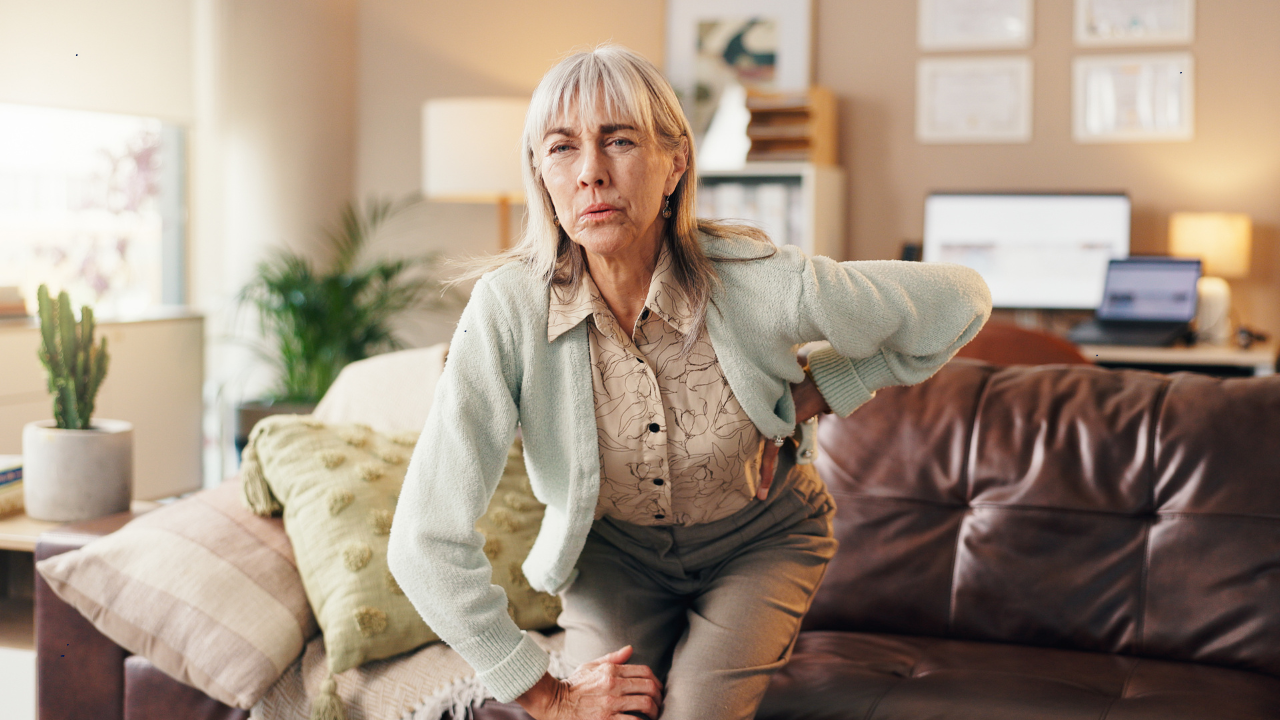
A fall at home might look small, but for women older than 65, a broken hip can be a big and serious health problem. In real medical terms, this condition has a 20 to 30 percent chance of being deadly within the first year. As people get older, their bones get weaker because of osteoporosis, which makes them more likely to break even from small falls. However, the bigger problem starts once the injury happens. According to World Health organization (WHO), around 60 per cent of people living with osteoarthritis are women, yet awareness remains limited until symptoms begin to interfere with mobility and daily function. Loss Of MusclesReports show that 70 per cent of women will get arthritis and osteoporosis. Most of them had no idea it was coming. HealthandMe spoke to experts to understand the reasons behind the trend. Dr Gurdeep Avinash Ratra, Consultant - Orthopedics and Joint Replacement, Manipal Hospitals, Gurugram said that the development of these disorders is gradual and closely tied to physiological changes. “After the age of 30, there is a steady decline in muscle mass, accompanied by a more rapid reduction in strength and power. With menopause, the significant fall in estrogen levels removes natural protection for bone density and joint health. Over time, this leads to increased bone fragility, reduced muscular support, and stress on joints, thereby elevating the risk of fractures and chronic joint conditions,” Ratra told HealthandMe. Health Coach Prashant Desai in a post on social media platform X, noted that after the age of 30: muscle mass starts declining by 1 per cent every year. muscle strength declines three times faster. muscle power declines eight times faster. “The moment you hit menopause, estrogen and progesterone drop to zero. Just like that. That is why arthritis and osteoporosis hit women so much harder than men. It is biology that most women are simply not prepared for,” Desai added. View this post on Instagram A post shared by Prashant Desai (@itsprashantdesai)]]>Treatment Experts said a hip fracture needs to be treated right away as a serious medical problem that requires care from many different medical specialists, not just a doctor who focuses on bones. Dr Rajesh Kumar Verma, Director – Orthopedics & Joint Replacement, Max Super Speciality Hospital, Vaishali explained that limited movement can cause blood clots, chest infections, pressure sores, and loss of muscle quickly. Many patients also face a quick drop in their ability to take care of themselves, which can impact both their body and mind.Also read: Suffering From Mid-back Pain? Doctors Say It May Be Spinal TB “Delayed treatment further increases risk. Early surgery and prompt recovery treatment help increase the chances of surviving and recovering better,” Verma told HealthandMe. How to Prevent Maintaining a healthy waist circumference as an early indicator of metabolic health. Engaging in regular strength training to preserve bone density and muscle mass. Ensuring adequate protein intake to support muscle maintenance. Incorporating sufficient calcium and Vitamin D into the diet. Remaining physically active, with exercise beyond low impact activities alone. Get medical help right away if you fall or think you might have a broken bone. Have surgery as soon as your doctor suggests it, because it can help you recover better. Begin physiotherapy as soon as possible after the surgery to help restore movement and avoid any serious issues. Make sure to eat well, paying special attention to getting enough protein, calcium, and vitamin D. Check for fall risks at home by looking at things like lighting, floor surfaces, and handrails.Also read: Strong Bones In Women: Expert Shares The Ideal Calcium-Vitamin D-Workout BlendWhat to avoid Do not wait to go to the hospital, even if the hip fracture pain feels okay. Avoid staying in bed for long because a hip fracture can lead to infections, pressure sores, and blood clots. Do not skip osteoporosis treatment for hip fractures because it is very important to stop broken bones from happening again.Avoid skipping follow-ups or rehabilitation sessions for hip fractures after the surgery.