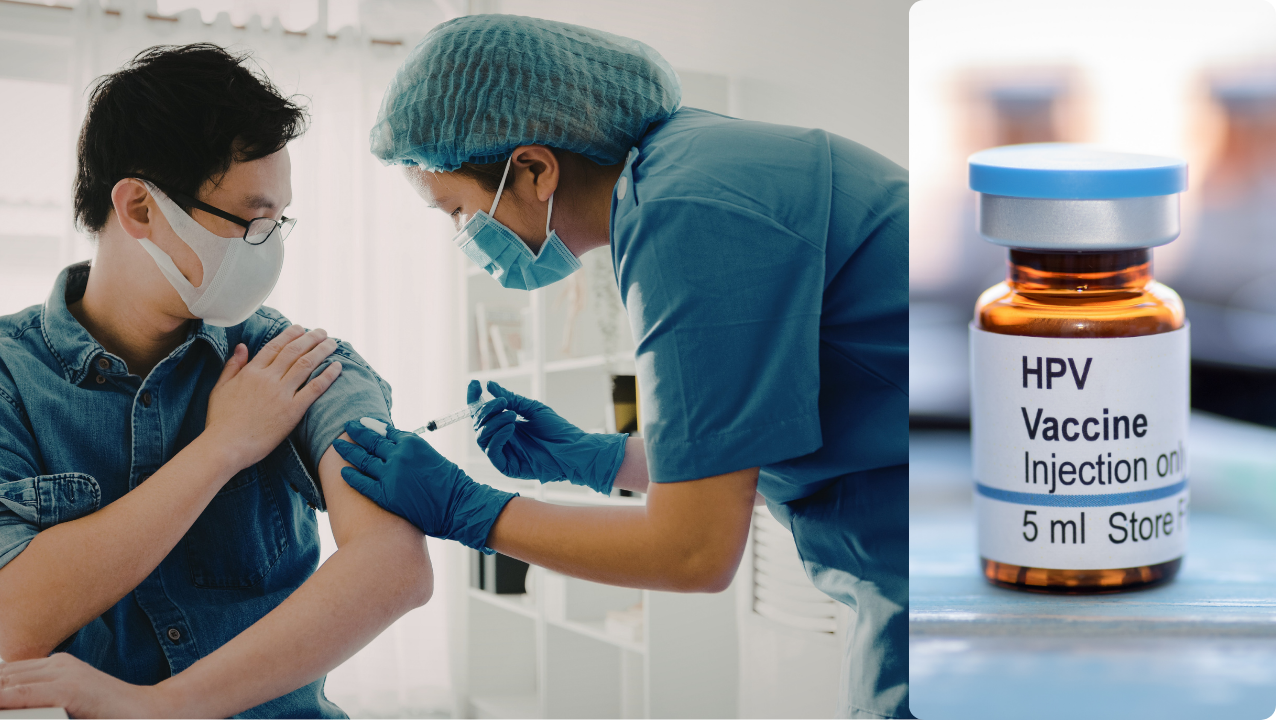
While vaccinations against human papillomavirus (HPV) are key to preventing cervical cancers in women, a new study has shown that the shots can also lead to a significant risk of head and neck cancers in men and boys. The study, published in JAMA Oncology, showed that men and boys who received the HPV vaccine from ages nine to 26 were nearly 50 per cent less likely to develop cancers of the head and neck, esophagus, anus, or penis. The results show the importance of vaccinating all children and teens against HPV, said Taito Kitano, DrPH, first author of the study and a researcher at Nara Prefecture General Medical Center in Nara, Japan, CIDRAP News reported. “Children, adolescents, parents, and health care workers should be more informed about the expected benefits of the HPV vaccine, not just cervical cancer,” Kitano added. The study included more than 510,000 boys and men vaccinated between January 2016 and December 2024, along with an equal number of unvaccinated males. Vaccinated participants in the study were given shots that prevent infection with nine strains of HPV.What Are HPV-related Cancers in Men HPV-related head and neck cancers often develop in the back of the mouth and throat. They are asymptomatic in the early stages and are typically found only after they cause pain or swelling. However, by the time these symptoms begin to appear, the cancers are often larger and more advanced, making them harder to cure. Earlier this year, the European Cancer Organization noted in a LinkedIn post urged for HPV vaccine for all people, regardless of gender. "HPV affects everyone, regardless of gender. It can lead to cancers of the cervix, mouth and throat, anus, and penis. This is why universal protection is so important," it said.According to Dr David Pfister, an oncologist at Memorial Sloan Kettering Cancer Centre, New York, the HPV vaccine protects men from penile, neck, and head cancer. He also noted that while a pap test detects early-stage cervical cancer in women, no such test exists for penile, anal, or head and neck cancers in men, which can worsen their survival rate. "Developing something like a pap test for throat cancer would be a game-changer. When you compare the throat to the cervix, the anatomy of sites like the tonsils and the base of the tongue has hard-to-reach crevices in which the virus can hide," Dr Pfister explained. "Until an effective and reliable screening test is developed, patients should stay up to date on their HPV vaccines, know how the disease is acquired, and take any suspicious symptoms like a lump in the neck or blood in the phlegm to their doctor or dentist," he added.The findings have important implications for vaccination policies. HPV vaccination programs have focused primarily on women because of the link between HPV and cervical cancers. The study provides evidence that HPV vaccination should be accessible irrespective of sex.