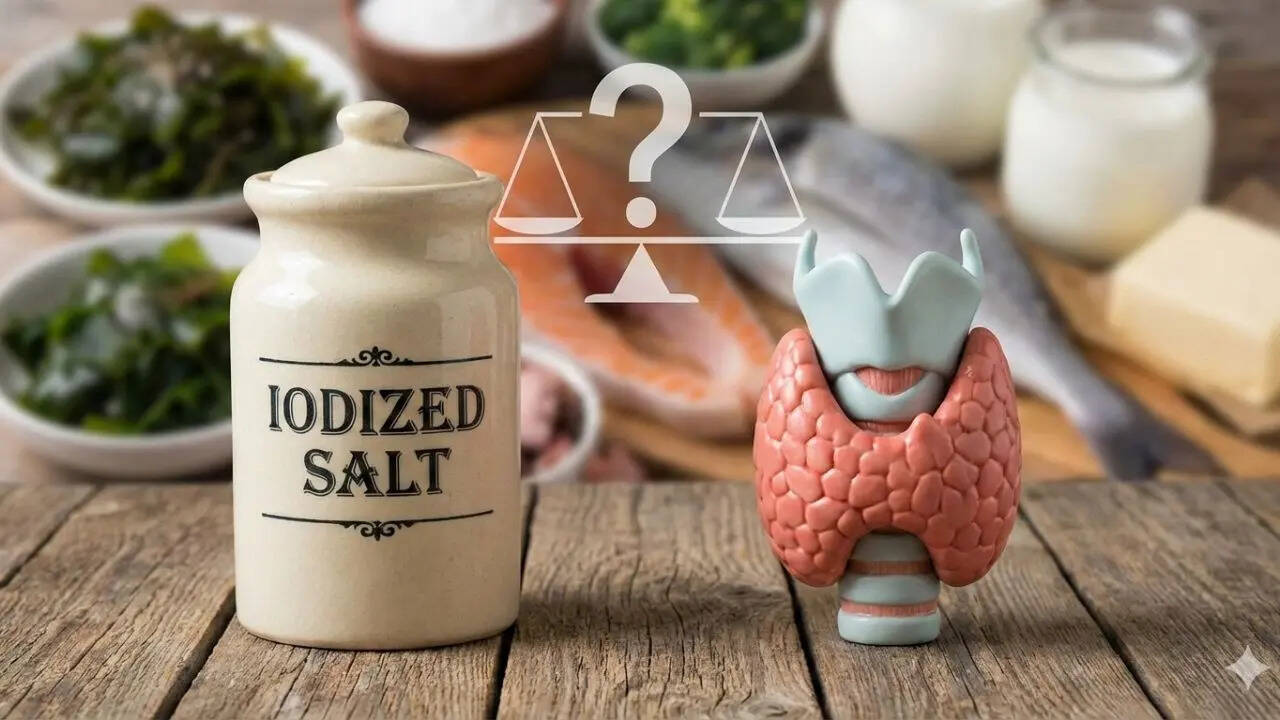
For decades, iodine deficiency was a serious public health concern in India. Conditions like goitre and other iodine-related disorders were widespread until the nationwide introduction of iodised salt changed the picture. The move is widely seen as a major health success, preventing thyroid problems on a large scale.Due to this, iodine has come to be almost inseparable from conversations around thyroid health. While its role is vital, doctors now caution that focusing on iodine alone can give a false sense of security.“The thyroid is often misunderstood as a simple gland that switches on with iodine,” says Dr. Narendra BS, Lead Consultant – Endocrinology and Diabetology at Aster Whitefield. “In reality, it is a complex hormone-producing system that depends on several nutrients and physiological processes working together.”Thyroid Does Not Run On Iodine AloneThe thyroid gland produces hormones that regulate metabolism, energy levels, body temperature, and even mood. Iodine is required to make these hormones, but it is only one step in a longer chain.According to Dr. Narendra, problems can still arise even when iodine intake is adequate. “Hormone production and activation involve multiple stages. If other nutrients are lacking or the body is under stress, thyroid function can suffer despite normal iodine consumption,” he explains.Nutrients That Quietly Support Thyroid FunctionSeveral nutrients play supporting roles in keeping the thyroid healthy. Selenium is needed to activate thyroid hormones into their usable form. Iron is essential for hormone production itself, which is why thyroid disorders and anaemia often occur together. Zinc contributes to hormone synthesis, while adequate protein levels help transport thyroid hormones through the bloodstream.“When these nutrients are missing, patients may continue to experience symptoms even though they are using iodised salt regularly,” Dr. Narendra notes.Diet Patterns Matter MoreModern eating habits can also place strain on the thyroid. Very restrictive diets, frequent meal skipping, or cutting out entire food groups can disrupt hormonal balance. Diets heavy in ultra-processed foods may increase inflammation and worsen overall metabolic health, indirectly affecting thyroid function.“A varied, balanced diet supports not just the thyroid, but the entire endocrine system,” says Dr. Narendra. “Nutrition should be looked at as a whole, not reduced to a single nutrient.”Lifestyle factors often overlooked in thyroid care include stress and sleep. Chronic stress and poor sleep quality can interfere with how thyroid hormones are converted and used in the body.“This is why some people feel unwell despite having ‘normal’ thyroid blood test results,” Dr. Narendra explains. “Stress hormones can mask or worsen symptoms, making the problem harder to identify if we focus only on iodine levels.”When Salt Alone Is Not The SolutionMany people turn to iodised salt hoping it will ease fatigue, weight gain, or hair loss. While correcting iodine deficiency is important, these symptoms are frequently linked to broader thyroid disorders, including autoimmune conditions, which require medical evaluation and proper treatment.“Iodised salt prevents iodine deficiency, but it cannot correct poor diet, chronic stress, sleep deprivation, or undiagnosed thyroid disease,” Dr. Narendra cautions.Iodised salt is a starting point, not a complete solution. It plays a crucial role in preventing iodine deficiency, but true thyroid health depends on balanced nutrition, healthy habits, and timely medical care. The thyroid needs more than what comes from the saltshaker to function well.