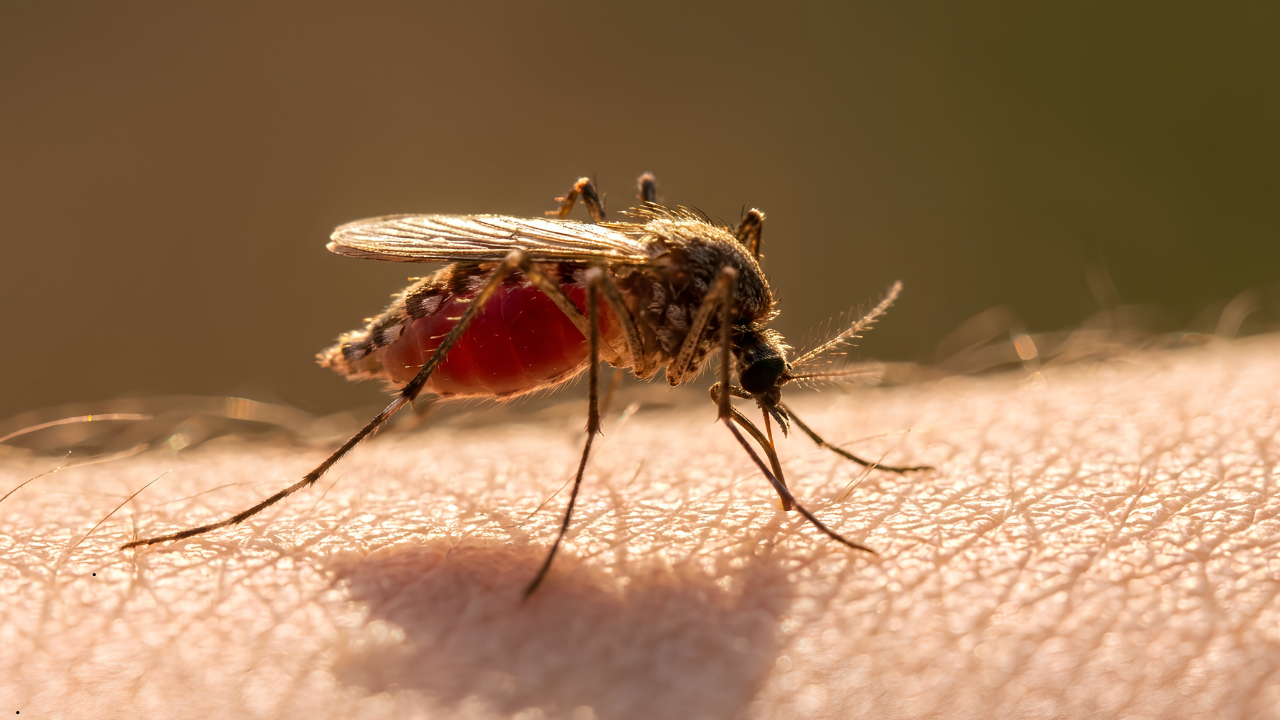
Malaria infected an estimated 282 million people and caused about 6,10,000 deaths worldwide in 2024, according to the World Health Organization’s (WHO) latest World Malaria Report. The report placed strong emphasis on drug resistance, warning that it remains one of the biggest threats to global elimination goals. WHO-recommended vaccines helped prevent roughly 170 million cases and one million deaths last year, which is about nine million more than the year before. Around 95 per cent of malaria deaths occurred in the African Region, with children under five forming the largest share.Within the WHO South-East Asia Region, India represented 73.3 per cent of all malaria cases and 88.7 per cent of all malaria-related deaths. The report also underscored that the world is nowhere close to meeting the targets set under the Global Technical Strategy for malaria 2016–2030. However, a group of University of Nottingham researchers have now found a key protein that is an enticing target for new antimalarial interventions. The study looked at a protein called Aurora-related kinase 1 (ARK1), which plays an important role in the parasite’s unusual cell division.ARK1 helps control the parasite’s mitosis (cell division) and organizes a structure called the spindle, which separates genetic material so new parasites can form.Scientists turned off the ARK1 gene using genetic engineering techniques to see what would happen. Without ARK1, the parasites could not form proper spindles and failed to reproduce, suggesting the protein could be a weak spot that future malaria treatment. "What makes this discovery so exciting is that the malaria parasite's 'Aurora' complex is very different from the version found in human cells," senior author Rita Tewari said. What Are Anopheles Stephensi Mosquitoes?Anopheles stephensi is a malaria-transmitting mosquito originally found in South Asia. Unlike many other malaria vectors, it thrives in cities and breeds in man-made water sources such as storage tanks, containers, and discarded tyres. It can carry both Plasmodium falciparum and P. vivax parasites.In recent years, this mosquito has spread into several African countries, where it adapts easily and shows resistance to multiple insecticides. This expansion has increased the threat of urban malaria outbreaks, as highlighted by the World Health Organization.At present, Anopheles stephensi has been detected in nine African countries and is proving difficult to control due to widespread insecticide resistance.Malaria VaccinesThe report noted that WHO approved the world’s first malaria vaccines in 2021, and 24 countries have now added them to their regular immunisation schedules. Dr Tedros Adhanom Ghebreyesus, WHO Director-General, said that new preventive tools provide reason for optimism, but many obstacles remain. He pointed out the rise in cases and deaths, the pressure from drug resistance, and the impact of reduced funding. These factors could undermine the progress achieved over the last twenty years.