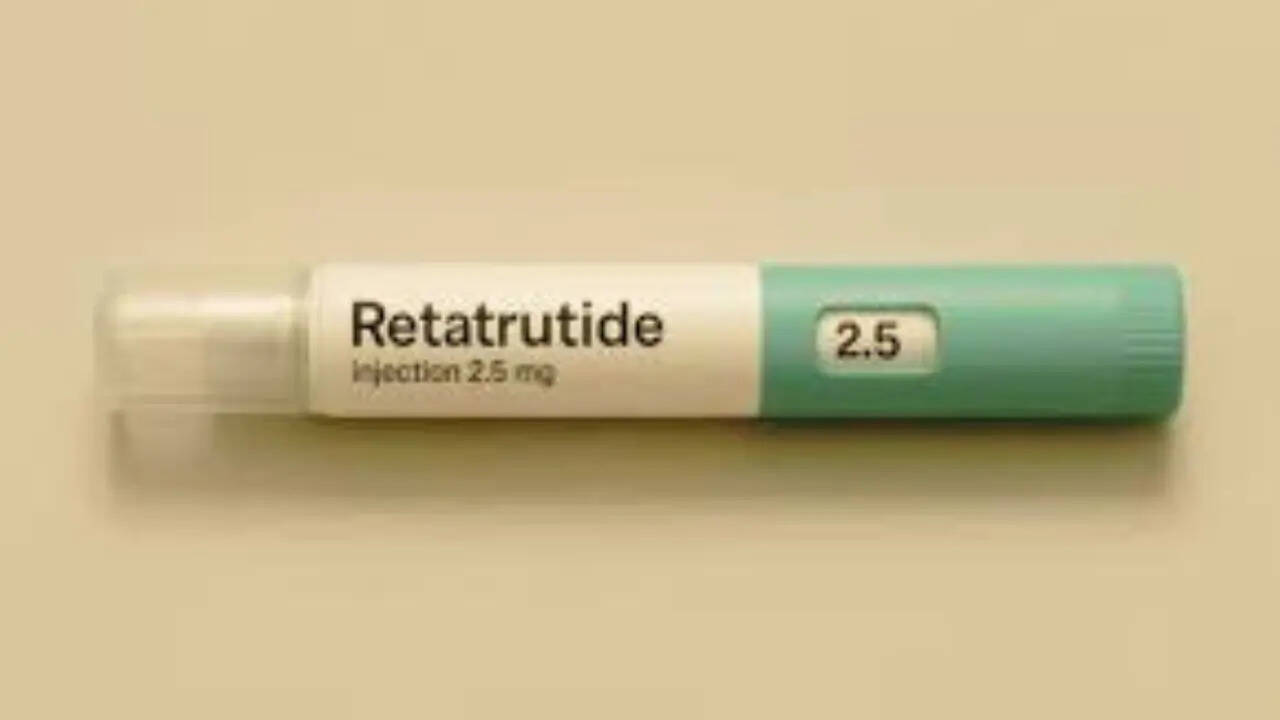
A new weight-loss drug often described as the “triple G” treatment because it mimics three hormones linked to hunger and metabolism has delivered striking results in fresh data shared Thursday by its developer, Eli Lilly. In a clinical study involving more than 400 people living with obesity and knee osteoarthritis, the experimental drug retatrutide led to an average weight reduction of 71 pounds, or close to 29% of total body weight, over a period of 16 months, according to figures released by the company. Participants who received retatrutide also reported a 76% drop in knee pain by the end of the study period, based on the same data. So isWhat Is Retatrutide?Retatrutide is an experimental weight-loss drug developed by Eli Lilly and is widely seen as a next-step advancement beyond current GLP-1-based medications such as semaglutide and tirzepatide. While semaglutide acts on a single hormone pathway and tirzepatide works on two, retatrutide targets three. It activates GLP-1 and GIP, along with an added glucagon pathway, which is why it is sometimes informally referred to as a “GLP-3” drug. Researchers believe this third pathway could explain the greater weight-loss effects seen so far, although retatrutide remains under investigation and has not yet received FDA approval.Why Is Retatrutide Trending?Even without regulatory approval, retatrutide has gained attention among gym enthusiasts, fitness creators, and online weight-loss communities. On platforms like TikTok, where direct searches for #reta or #retatrutide are restricted, users often refer to it using coded terms such as “ratatouille.”At the same time, the drug has been in the news due to growing concerns about counterfeit versions. Reports from the UK recently revealed that authorities seized more than £250,000 worth of fake weight-loss injection pens labelled as tirzepatide and retatrutide from a hidden factory in Northampton. These products are especially concerning because retatrutide is still in clinical trials and has not been approved for use anywhere in the world.How Is Retatrutide Different Than Other Weight-Loss Drugs?Retatrutide works by mimicking three hormones that play a role in appetite and metabolism: GLP-1, GIP, and glucagon. In contrast, most weight-loss drugs currently available target only one or two of these pathways. Ozempic and Wegovy, made by Novo Nordisk, copy the effects of GLP-1, a hormone that influences the brain, pancreas, stomach, liver, and muscles, according to the National Institutes of Health.Mounjaro and Zepbound, on the other hand, act on both GLP-1 and GIP, a hormone involved in blood sugar regulation through insulin stimulation. Retatrutide’s added glucagon effect is key, as glucagon is known to support fat burning, even when the body is at rest. Ozempic and Mounjaro are approved by the FDA for treating Type 2 diabetes, while Wegovy and Zepbound are approved for people with overweight or obesity. As with any prescription drug, it is important for individuals to consult a healthcare professional to determine whether these treatments are appropriate for them.When Is Retatrutide Expected To Be Available To Consumers?There is currently no confirmed timeline for when retatrutide might become available by prescription. Its launch will depend on the FDA’s detailed evaluation of clinical trial data once it is formally submitted. Based on current expectations, approval is unlikely before late 2026 and could potentially extend into 2027 or even 2028.