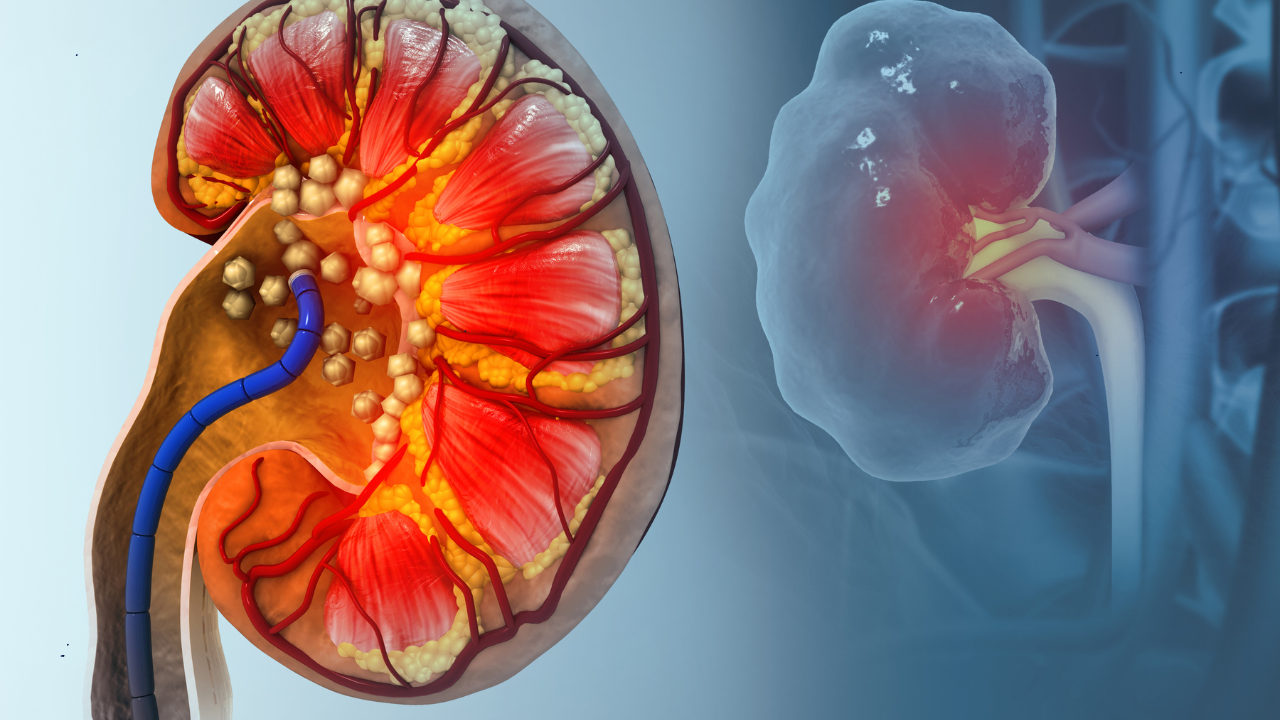
Kidney stone incidences increase significantly in the summer months; the main reason for this increase is the effect of summer on people's hydration levels. As we get hotter, we sweat a lot, and when we sweat, we lose fluids. If we don't drink enough fluids to replace what we have lost through sweating, our urine will become more concentrated. Concentrated urine provides a good environment to crystallize minerals, calcium, oxalate, uric acid, and eventually create stones.In hot weather, it is easy for people to think that they don't need to drink as much water as they really do. The effects of mild dehydration can have a major impact on how many liters of urine a person produces, which is one of the most significant contributors to protecting against developing kidney stones. When urine production decreases, waste products in the urine become less diluted, so the chances of forming crystals are increased. People who do not exercise much or who don't pay attention to their hydration habits can be at greater risk than others for developing kidney stones.Poor eating habits in the summertime can add to the problem. Increasing your consumption of salty and processed foods can raise your calcium excretion in the urine, leading to more stones. A high intake of animal protein can increase your uric acid level and decrease your citrate level, a natural inhibitor of stones. Many people will also reduce the amount of fluids and water-rich foods they consume when travelling or working, which further increases the risk of developing stones.Another factor that isn’t frequently considered is delaying urination. Holding urine for long periods will cause the minerals to settle in the urinary tract and may crystallize, which increases the likelihood of developing stones. Delaying urination in combination with dehydration provides the ideal environment for the formation of stones.It is important to know and recognize the early symptoms of kidney stones so that you can seek help in a timely manner. Symptoms to watch for are: Severe flank pain (back or side), burning sensation when urinating, nausea and vomiting, blood in urine.Failure to seek treatment for these symptoms can result in complications, such as urinary tract infection or obstruction due to kidney stones.There are several commonly used methods of preventing kidney stones during the summer months, and they involve very basic lifestyle changes. Consistently drinking enough water so that your urine is clear or light in color is the single most important thing you can do to avoid a kidney stone. Limiting your intake of additional salt and moderating your animal protein consumption will help as well. Including citrus fruits (lemons and oranges) in your diet may also prevent kidney stones, because they contain citrates, which help to inhibit the formation of kidney stones.By using proper hydration, good nutrition, and an awareness of the early warning signs of kidney stones, your kidney stone risk will be considerably lowered throughout the summer months.