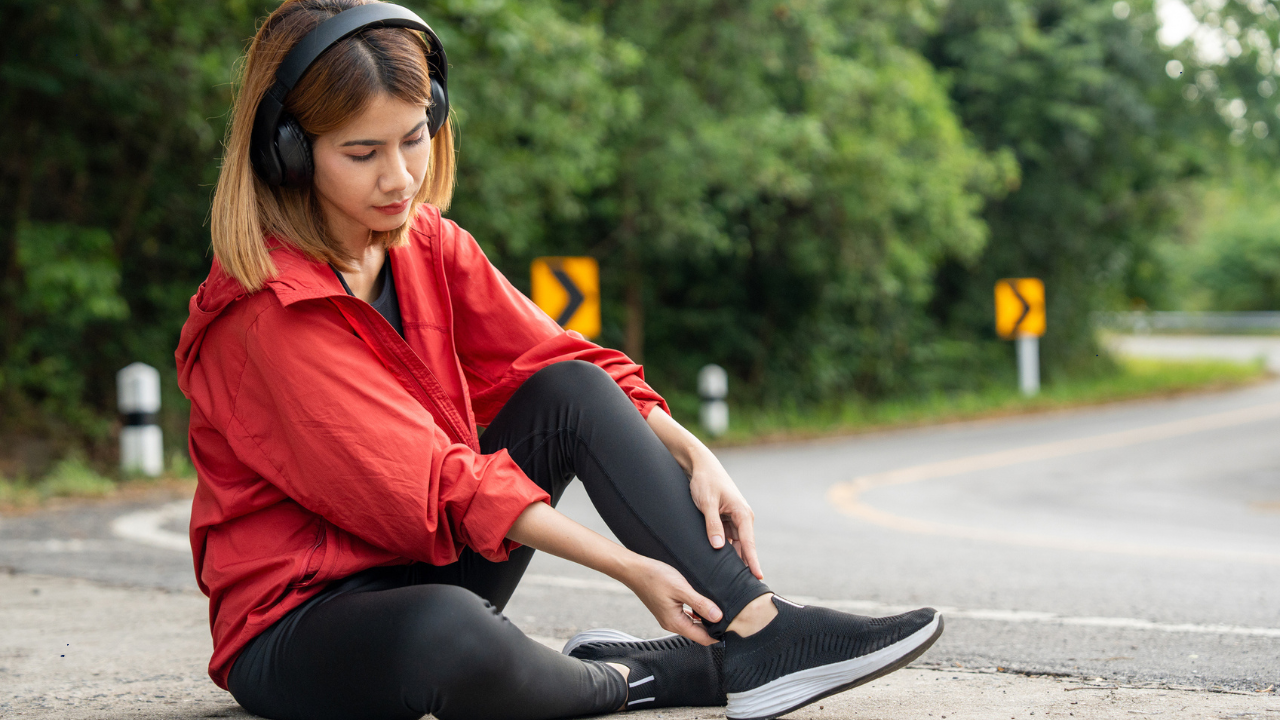
Most people pay little attention to their knees, legs and ankles until something goes wrong. Once pain sets in, even simple things like walking, climbing stairs, or standing for long can become a real challenge. Left unmanaged, lower limb pain gradually affects mobility, independence and quality of life.What Is Usually Behind the Pain?Knee pain commonly traces back to osteoarthritis, ligament injuries, cartilage damage, or years of wear. Pain in the leg can be caused by muscle injuries or conditions involving nerves and poor blood flow. The pain in the ankle is commonly caused by sprains, tendinitis, arthritis, or any injury that may have occurred earlier without complete healing.Age, obesity, sedentary lifestyles, and constant joint injuries contribute silently to the degenerative condition of the joints.Signs That Should Not Be IgnoredPersistent pain, swelling, stiffness, or discomfort that keeps getting worse deserves attention. If pain is disturbing your sleep, that is a clear signal to see a doctor.Habits That Help Protect Your JointsWalking downstairs puts considerable pressure on the knees, so limiting stair use where possible is sensible. Squatting, sitting on the floor and using Indian-style toilets place similar strain and are better avoided.Staying active matters just as much. Regular household chores, walking, stretching and strengthening exercises, even 15 to 20 minutes a day, keep muscles strong and reduce the load on joints. Focusing on the adductor muscles around the knee is particularly effective in improving joint support.Non-Surgical Options Worth KnowingSurgery is not always the answer. Two non-surgical treatments carried out by a pain physician can make a meaningful difference.Platelet-Rich Plasma therapy, or PRP, involves concentrating platelets from the patient's own blood and injecting them into the affected joint. In osteoarthritis, where cartilage gradually thins, PRP may help support regeneration and ease symptoms.Radiofrequency Ablation, or RFA, uses a specialized needle to deliver targeted heat that interrupts the nerves responsible for sending pain signals to the brain. Relief typically lasts one to two years. The procedure is done as day care with no cuts, no stitches and no anesthesia required.A concern many patients raise is that pain stops them from exercising or losing weight. Once pain is controlled through these treatments, walking and light activity become manageable again, which in turn supports weight loss and takes further pressure off the joints.Custom Knee SupportsOff-the-shelf knee caps have limited effectiveness. A custom-made support, designed to redistribute body weight and reduce joint stress, works considerably better, especially in early arthritis. Many patients notice relief shortly after wearing one. They are an investment, but a worthwhile one that can reduce dependence on medication while the surrounding muscles gradually strengthen.When to See a DoctorIf pain has lasted several weeks, is worsening, or is getting in the way of daily life, it is time to consult a specialist. Early diagnosis and the right treatment can protect joint function, restore mobility and often avoid the need for surgery.(By Dr. Aanchal Sharma, Pain Physician, Principal Consultant and Head of Department, Department of Pain Medicine at BLK MAX Hospital, New Delhi)