
- Health Conditions A-Z
- Health & Wellness
- Nutrition
- Fitness
- Health News
- Ayurveda
- Videos
- Medicine A-Z
- Parenting
Leucovorin Prescriptions Surge After White House Mentions It For Autism Use, Parents Struggle To Find Drug

Credits: Canva and iStock
Leucovorin, a high-dose vitamin - folinic acid, were mostly used for treating toxic side effects of chemotherapy, until last year when the White House touted it as a potential treatment for some children with autism. New prescriptions for leucovorin double within weeks of announcement and parents have been trying hard to get it prescribed. This is also because many doctors have been hesitant to prescribe a chemotherapy medicine for childhood autism. They have also stated that not enough evidence is available to prescribe this drug officially.
CNN reported that in Austin, Texas, Meagan Johnson spent four days calling pharmacies across the region searching for leucovorin for her three-year-old son Jack, who has autism. She contacted nearly 40 pharmacies around her home in Pflugerville, hoping to locate the medication.
The effort came after a neurologist agreed to prescribe leucovorin on a trial basis. Johnson’s hope was simple: even a small improvement in her son’s communication would mean a lot. At age three, most children can say hundreds of words, but Jack speaks only about 20, many of which only his mother understands.
However, getting the prescription turned out to be far harder than obtaining it.
Across the United States, pharmacies have been reporting growing difficulty keeping leucovorin tablets in stock. Online support groups for parents of autistic children are now filled with posts from families searching for the medication or asking where it might still be available.
Although leucovorin is not approved specifically for autism, some small studies have suggested that it may help certain children who have unusually low levels of folate in the brain. Families who have tried it report possible improvements in language and social interaction.
A study published in The Lancet found that prescriptions for leucovorin doubled within weeks of the public remarks and remained elevated through early December. Researchers analysed electronic medical records covering nearly 300 million patients to identify the trend.
Experts say such spikes can quickly strain the supply of inexpensive generic drugs.
A Classic Demand-Driven Shortage
Pharmacy supply specialists describe the leucovorin situation as a demand-side shortage. Unlike manufacturing disruptions, these shortages happen when demand rises faster than manufacturers can increase production.
Generic drug manufacturers typically plan production schedules a year or more in advance. Because leucovorin had historically been a niche medication, companies were not prepared for a sudden surge in prescriptions.
As demand increased, pharmacies began running out of tablets. Many manufacturers have placed the drug on allocation or backorder, meaning pharmacies can only order limited quantities.
To ease the pressure, the US Food and Drug Administration allowed temporary imports of leucovorin tablets from Canada and Spain. However, the drug has not yet been officially listed on the FDA’s national drug shortage database, a designation that could trigger additional measures to boost supply.
Families Searching For A Treatment
For parents like Johnson, the debate over research evidence matters less than the possibility of progress.
After days of phone calls, a CVS pharmacist finally located a supply at another branch nearly an hour away. Johnson drove the distance to pick up the medication and gave Jack his first dose that same evening.
The moment brought relief, but also frustration.
Drug shortage advocates say the situation was predictable. Because leucovorin is inexpensive and historically prone to shortages, any sudden increase in demand could easily disrupt supply.
Still, families continue to search for it.
Fact Check: Popular Hair Loss Treatment Ingredient Could Trigger Chest Pain

Credits: iStock
Rebecca Pinto, physiotherapist and nutritionist shared a video on her Instagram account where she cites a case of a man who used hair loss treatment and was admitted to hospital on complain of chest pain. She points out that not everything that is available over the counter is safe to use. She says the key ingredients in many easily available hair loss treatment is minoxidil, which could trigger chest pain or angina as it can lower blood pressure.
Health and Me spoke to Dr Sanjay Bhat, Sr Consultant, Interventional Cardiology at Aster CMI Hospital, Bengaluru to fact check this claim and here is what we found out.
Also Read: AIIMS And ISRO Sign MoU To Advance Research In Space Medicine
Fact Check: Can Minoxidil Cause Severe Chest Pain?
Health and Me asked Dr Bhat if this easily available ingredient could actually cause someone’s life. To this, Dr Bhat explained that it is a commonly used medicine for treating hair loss and is easily available in many pharmacies as a topical solution or form. He said it works by improving blood flow to the hair follicles and helping hair grow. “When used on the scalp as recommended, it is generally safe for most people. However, long-term or excessive use may sometimes cause side effects. Some people may absorb a small amount of the medicine into the bloodstream, which can affect the heart and blood vessels,” he explains.
This could lead to symptoms such as chest pain, rapid heartbeat, dizziness, swelling of the hands or feet, or low blood pressure. “In rare cases, people may go to the emergency room if they feel severe chest discomfort or palpitations. Long-term use without medical advice may also cause scalp irritation or unwanted hair growth on other parts of the body. Therefore, it is important to use minoxidil only as directed and consult a doctor if unusual symptoms appear,” he said.
What To Do If You Feel Chest Pain While Using Minoxidil?
Doctor explains, “If a person develops chest pain after using Minoxidil, the first step is to stop using the medicine and seek medical attention immediately. Doctors will first evaluate the patient to make sure the chest pain is not due to a serious heart problem. This usually includes checking blood pressure, heart rate, oxygen levels, and performing tests such as an electrocardiogram (ECG) and blood tests.”
If minoxidil is suspected to be the cause, treatment mainly focuses on managing the symptoms. Doctors could also give medicines to control heart rate, reduce palpitations, or stabilize blood pressure. Depending on the reports, if the patient has fluid retention or swelling, diuretics may be prescribed to remove excess fluid from the body. Patients may also be monitored in the hospital for a short time if symptoms are severe. Once the symptoms settle, doctors usually advise avoiding minoxidil and may suggest safer alternative treatments for hair loss.
Are There Any Alternative Hair Loss Treatment Without Minoxidil?
The answer is yes. Dr Bhat points out Finasteride, an oral medicine to be one of the common alternatives to minoxidil for hair loss treatments. This medicine works by reducing the hormone DHT, which is linked to male pattern baldness. This also helps in slowing down the hair loss and promoting regrowth.
Platelet Rich Plasma Therapy: This is another alternative available points out Dr Bhat. This is when blood is processed and injected into the scalp to stimulate hair follicles and improve hair thickness.
He also pointed out that doctors often recommend Low Level Laser Therapy, which is a painless treatment using red light lasers to improve blood flow to hair follicles and encourage hair growth.
Lastly, Hair Transplant Surgery is another option for people facing significant hair loss, where follicles from one part of the scalp are moved to bald areas.
“In addition, treatments such as microneedling, nutritional supplements, and treatment of underlying medical conditions may also help improve hair growth,” points out Dr Bhat.
Parental Stress Can Lead To Childhood Weight Gain, Experts Say
Credits: Canva
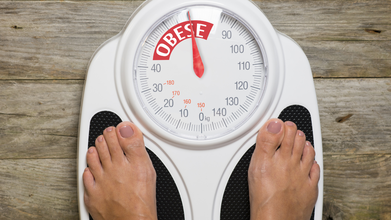
Childhood obesity has been rising steadily across the world, including in India. According to the World Health Organization, the number of children aged 5 to 19 who are overweight or obese has increased more than tenfold over the past four decades.
In India, the Indian Council of Medical Research reports that about 14 percent of children aged 6 to 19 are overweight or obese, with higher rates in urban areas.
Many efforts to prevent obesity focus on healthy eating and physical activity. While these remain essential, research increasingly shows that the stress levels of parents can play a big role in shaping children’s health outcomes.
Stress, simply put, is when the body feels under pressure. Mentally, emotionally, or physically. Parents under stress may have less patience, lower energy, and less ability to maintain healthy routines for their family.
How Parental Stress Leads Childhood Obesity
According to Dr Elissa Epel, a psychologist at the University of California, San Francisco, chronic stress can lead to increased production of cortisol, a hormone that regulates energy and appetite. Higher cortisol levels can make both adults and children crave sugary and fatty foods, which leads them to store more fat in the body.Additionally, a Obesity Reviews 2017 study also found that parents who suffer from high stress levels are more likely to have irregular eating patterns, snack on unhealthy foods, and engage in less physical activity, which contributes to stressful home environments.
This often leads to a pattern of “comfort eating” and fewer structured meal routines in the house, habits that can be easily picked up and adopted by children. This can pave the way for multiple chronic conditions to develop early on in young children.
Socioeconomic pressures can also worsen the risk of obesity in youngsters. Families experiencing financial stress, job insecurity or long working hours may rely more on convenient fast foods or skip family meals altogether.
According to the World Health Organization (WHO), diet and lifestyle patterns learned in early childhood often persist into adolescence and adulthood, which makes early interventions critical.
How Parenting Styles And Household Atmosphere Matter
Parenting style also plays a crucial role in managing childhood obesity. Warm, attentive, and consistent parenting helps children learn healthy habits, regulate their emotions, and develop self-control. Conversely, stressed or overwhelmed parents may struggle with patience and consistency.A 2020 study in Pediatric Obesity showed that children whose parents reported higher stress levels were more likely to gain excess weight over two years compared with children whose parents reported lower stress.
The home environment can shape a child’s relationship with food. If meals are rushed, distracted, or emotionally tense, children may associate eating with stress rather than nourishment. On the other hand, family routines that include relaxed meals, shared cooking, and parental involvement in active play are linked to healthier weights and better mental health outcomes.
Steps Parents Can Take To Monitor Obesity
Reducing parental stress is not about being perfect. It is about creating a balanced environment where healthy habits can thrive. Experts recommend strategies such as:- Mindfulness and relaxation techniques: Simple breathing exercises, meditation, or even quiet reading time can lower stress levels. Psychologist Susan Albers notes that mindful parenting improves parent-child interactions and can reduce unhealthy eating patterns.
- Structured routines: Regular meal times, scheduled physical activity, and predictable sleep patterns create stability for children.
- Self-care: Parents who prioritize sleep, exercise, and mental breaks are better able to support their children’s health.
- Healthy family meals: Cooking together, reducing ultra-processed foods, and encouraging fruits and vegetables fosters both nutrition and bonding.
It’s important to note that stress management alone is not enough. Combining emotional support for parents with healthy eating and activity habits is the most effective approach. The American Academy of Pediatrics highlights that integrated strategies addressing diet, activity and family wellbeing can reduce childhood obesity risk more effectively than focusing on nutrition or exercise alone.
Why This Matters For The Future
Childhood obesity is a complex problem with multiple causes - genes, environment, lifestyle, and now, stress at home. By recognizing that parents’ mental health influences children’s physical health, families, schools, and health practitioners can take a more holistic approach to prevention.The impact of a calm, supportive home can be profound. When parents manage stress, children not only eat better and move more, but they also develop emotional resilience and lifelong healthy habits. As Dr. Epel explains, “A child’s wellbeing often mirrors the adult they live with: less stress in parents can mean a healthier start for children.”
Is There A Link Between Your Kidney Health And Other Chronic Diseases? Study Says Yes
Credits: Canva
Turns out, kidney disease is not just a ‘kidney’ problem anymore, it can, in fact, affect other organs, and could even be linked to other chronic conditions, revealed a recent study.
In the US, more than 1 in 7 adults are affected by chronic kidney disease or (CKD). This means that 35.5 million Americans are affected by it, and what makes it worse is that 9 out of 10 people do not even know they have CKD, says the Centers for Disease Control and Prevention (CDC). Amid all these numbers thrown on to, something more concerning lies. A recent Lancet study shows a link between the rise in CKD and other chronic diseases. We are talking about chronic conditions like diabetes, high blood pressure, and obesity.
Also Read: Years After PrEP Rollout, The HIV Prevention Drug Still Remains A Privilege In India
So, What Does The Study Say?
The researcher saw that 14 percent of adults who are over the age 20 or older, which makes 788 million Americans who had CKD in 2022. The biggest problem is not the disease itself, but the unawareness. Doctors, experts, and researchers from time and again have pointed out how kidney disease is often asymptomatic, this is why it is ignored until it becomes advanced. However, at that point the patients could already need dialysis or even an organ transplant. This gap in early diagnosis and treatment is what has made CKD the ninth leading reason of death, worldwide.
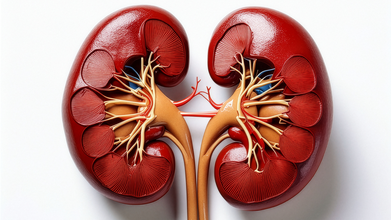
When you kidney functions naturally, it works as the powerhouse of filtration. A pair of healthy kidneys are able to filter and process more than 150 liters of fluid from the blood. These organs are also responsible for filtering out the waste and toxins through your urine. Not just that, but your kidneys also help in red blood cells production that keeps you healthy. When all of that does not happen, it can eventually impact every other organ in your body.
Like they say, everything is connected, and it surely is. For instance, somewhere around 20% of the blood that your heart pumps goes to your kidneys. If someone has diabetes and high blood pressure, it could damage the blood vessels and lead to protein in the urine and a slower filtration rate. It can then lead to other chronic infections, autoimmune disorders, and even genetic variants.
Also Read: Virus Without Vaccine Hits California; No Need To Worry, Say Public Health Officials
Kidney-Body Relation
If you leave your kidney disease untreated, it could lead to kidney failure. This is when you would be more in need of dialysis or a transplant. Doctors have pointed out that most people do not die of chronic kidney disease, rather it impacts their quality of life, worsening their cardiovascular conditions. It can lead to complications like a heart attack, a stroke, or a heart failure.
How Does This Happen?
People who have kidney diseases are at an increased risk for high blood pressure. Due to hurdles in the process of filtration, plaque build ups and hardens the arteries. This in return increases stress on the heart. In fact, the American Heart Association also defined the link between kidney and heart as 'cardiovascular-kidney metabolic syndrome'. This defines a health disorder that is a condition of the overlap of obesity, chronic kidney disease and cardiovascular diseases.
The bleed out of CKD is not just limited to your heart. The National Institute of Health, US points out that along with heart complications and high blood pressure, CKD could also lead to anemia, mineral and bone disorder, metabolic acidosis, malnutrition, and electrolyte imbalances in the blood.
So, What Is The Best Way To Keep Yourself Safe?
The first way is to note any symptoms and get yourself diagnosed. Look for signs like loss of appetite, unexplained nausea or vomiting. Do you feel tired often? Are you having trouble concentrating? Is there any change in how often you go pee?
Other symptoms like a change in your urine color or texture, or feeling itchy or dry, muscle cramps, unexplained weight loss or skin conditions could also signal towards kidney diseases.
However, not always does CKD show symptoms, experts suggest that to be one step ahead, it is important to undergo regular health checkups, including blood culture. General guidelines usually point towards getting a blood test done every 3 to 6 months. For someone with high blood pressure, diabetes or any other disease, the current guidelines say that those people should get regular blood and urine tests to screen for kidney disease. But what really happens is that though these tests exist, they are still used far too little. Doctors point out that many patients skip them because collecting a urine sample feels inconvenient, and overall awareness about kidney disease remains low. As a result, research shows that only about 35 percent of people with diabetes, and just 4 percent of those with high blood pressure, actually end up getting the recommended urine screening.
A ray of hope is that there are now several effective tools to slow the progression of kidney disease. Along with traditional options like ACE inhibitors, newer classes of medications including certain heart failure drugs and GLP-1 drugs. These medicines have shown to help protect kidney function. Although these newer treatments are not widely used yet, their adoption is steadily increasing.
What is important to remember is to also always consult your GP to ensure all preventative measures are followed carefully.
- Follow Us :


© 2024 Bennett, Coleman & Company Limited