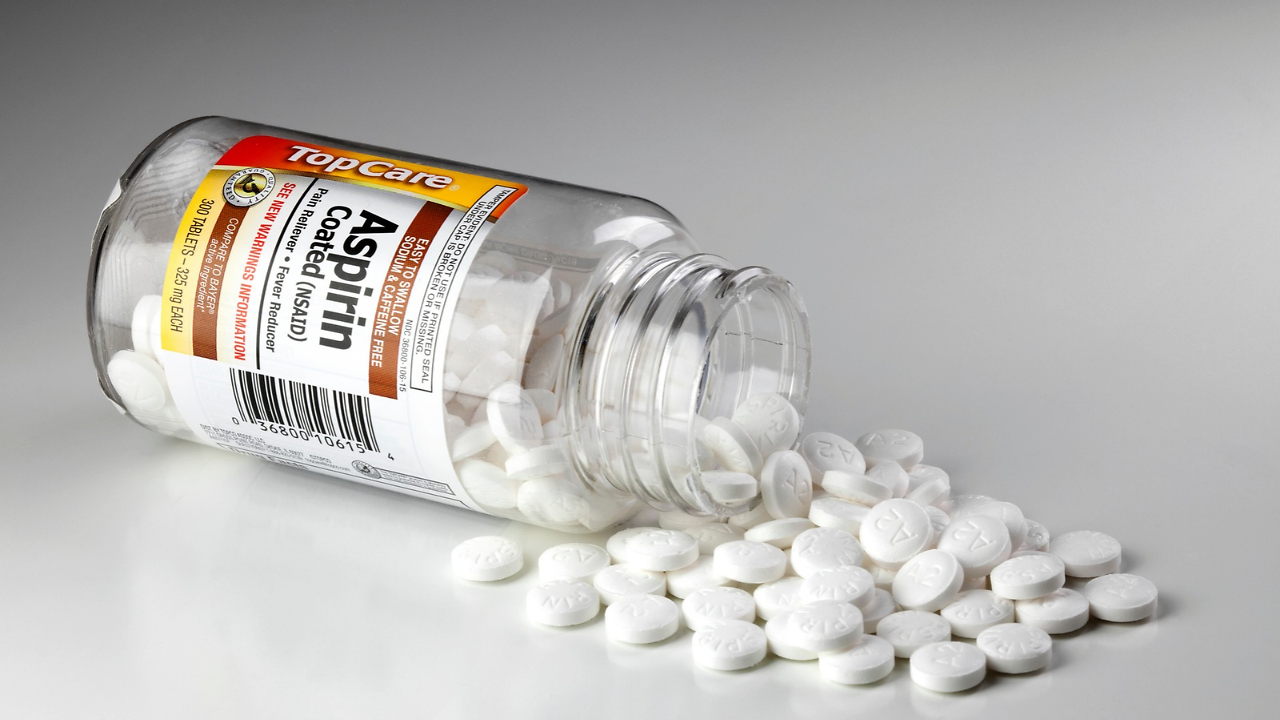
Low-dose aspirin could play a key role in lowering the risk of dementia significantly in some older adults, according to a new genetic analysis. However, the benefit does not come without a complication: major bleeding.The study, led by researchers at Monash University in Australia, is based on data from more than 13,500 participants in the ASPREE trial, which investigated the effects of low-dose aspirin in older adults. The study was published in Alzheimer’s & Dementia: The Journal of the Alzheimer’s Association.Researchers found that the benefit was mostly seen among people with a specific genetic trait linked with platelet count.70% Lower Dementia Risk Was Seen Among Older Adults Also read: Aspirin & Colon Cancer: Lancet Study Explains Why It Could Help At An Earlier Stage But Not After SpreadPlatelets are small blood components that help form clots and stop bleeding. Researchers have previously examined how aggregation of platelets might contribute to dementia, but the role of genetically influenced platelet counts still remains unclear.The researchers examined genetic scores related to platelet count and compared dementia results among participants who were either assigned aspirin or placebo. Among people in the highest 20% of platelet count genetic scores, dementia developed in 1% of those taking aspirin, compared with 3.3% of those receiving a placebo. This represented approximately a 70% lower risk.Lead author Dr Peter Fransquet, a research fellow at Monash University's School of Public Health and Preventive Medicine, said, “Previous trials found aspirin didn't prevent dementia when everyone was considered together.”“Our findings suggest there may be more to the story,” he said.Risk Of Bleeding IncreasedAlso read: Trump Says He ‘Psychologically’ Needs To Pop Aspirin Every Day: But Is It Actually Safe?The benefit was accompanied by a safety concern. Among participants in the same genetic subgroup, major bleeding occurred in 4.4% of those assigned to aspirin, compared to 2.1% of those given a placebo. That is a difference of 2.3 percentage points in both dementia cases and major bleeding events. In other words, the lower dementia rate cannot be considered in isolation from the increased bleeding risk.Aspirin reduces the ability of platelets to form clots. This can be useful for certain people who need to take precaution against cardiovascular events, but it can also increase the risk of serious bleeding, including bleeding in the gastrointestinal tract or brain.The study therefore does not prove that aspirin offers a favourable overall balance of benefits and harms for people with this genetic profile. Could This Help Personalise Dementia Prevention? The researchers found that the genetic signal was not linked to established genetic risk factors for Alzheimer's disease and dementia. Instead, it pointed towards platelet factor as a possible direction for further research.“What's particularly interesting is that the signal wasn't linked to the established genetic risk factors for Alzheimer's disease and dementia,” Fransquet said. “Instead, it's pointing us towards platelet biology and gives us a new avenue to investigate.”The findings could contribute to more personalised approaches to dementia prevention, in which treatments are tailored to characteristics that influence how individuals respond. But the results need to be replicated in other populations and tested in a clinical trial specifically designed for people with the identified genetic profile.Fransquet said, “People shouldn’t start taking aspirin to prevent dementia on the basis of this study without consulting with their doctor, particularly given the increased risk of serious bleeding,” he said.