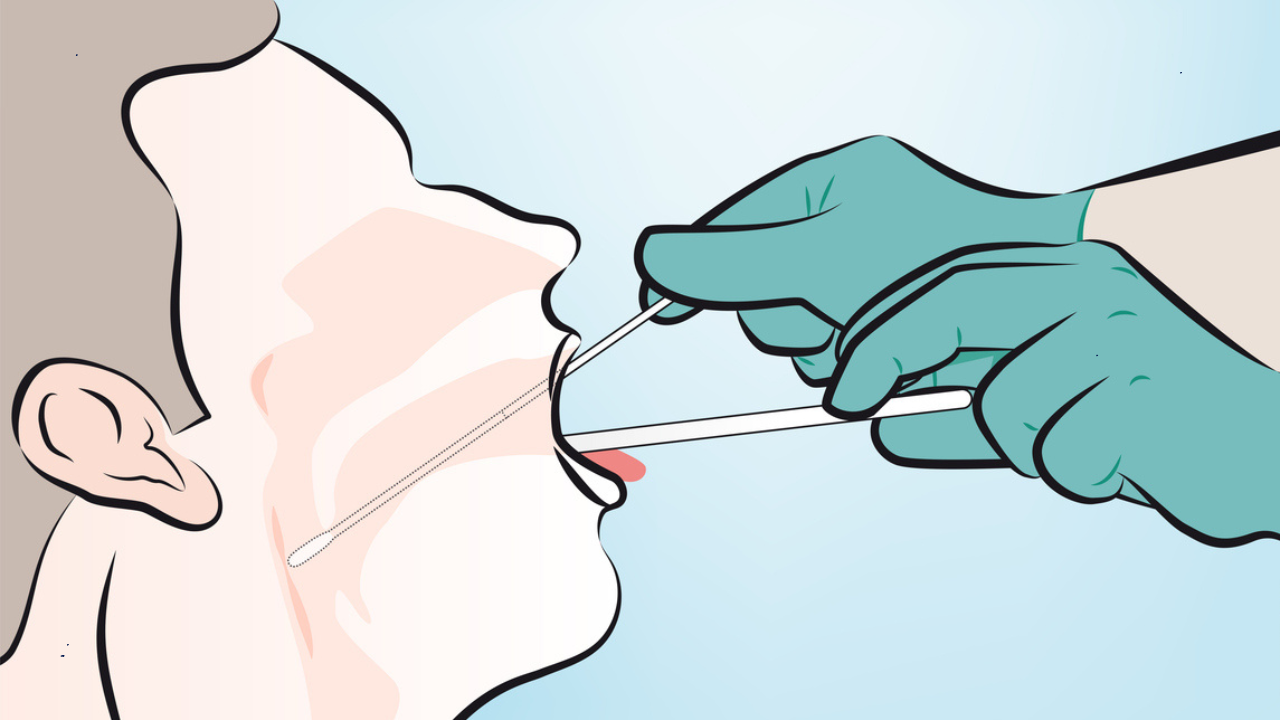
A team of UK scientists has developed a non-invasive brush biopsy test that can detect oral cancer within just 60 minutes, potentially transforming the way the disease is diagnosed. Researchers from Queen Mary University of London say the test could prevent more than 90% of unnecessary scalpel biopsies, reducing pain, infection risk and diagnostic delays. The findings were published in the journal Biomarker Research. Early diagnosis of oral squamous cell carcinoma (OSCC) is critical. However, most oral potentially malignant disorders (OPMDs) are benign, meaning many patients undergo invasive scalpel biopsies that ultimately show no cancer. These procedures can be painful, carry a risk of infection and, in areas such as the gums, can be difficult to perform and may damage the underlying tooth or bone. Beyond diagnosis, researchers say the test could also help monitor patients with persistent OPMDs over time. Because the test is non-invasive and repeatable, it can be used for regular surveillance, improving the chances of detecting malignant transformation at an early stage, when treatment is most likely to be successful.How Does The Brush Test Work? The newly developed brush biopsy requires only a simple swab of the mouth, without removing any tissue. According to the researchers, the test can identify low-risk patients and potentially spare more than 90% of them from unnecessary invasive tissue biopsies. Another advantage is speed—the results are available within one hour. "This test gives clinicians a rapid, accurate, and non-invasive way to triage patients, and crucially, it can be repeated. That means we can now monitor patients with persistent pre-malignant lesions regularly and systematically — and pick up cancers much earlier than we would have been able to before," said Muy-Teck Teh, Professor of Molecular Oral Oncology at Queen Mary. How Was The Study Conducted? The study is the largest of its kind, involving more than 1,000 samples from 545 patients. The team collected brush biopsies from the mouths of 545 patients with lesions that could potentially be cancerous. The test was found to have an overall accuracy of 95.5 percent, with false-positive and false-negative rates of less than 5 percent. The results were available within an hour. The latest study builds on an earlier version of the test, qMIDS-V2, which required a 1 mm microbiopsy and had already been validated using more than 530 samples from the UK, India and China. The new qMIDS-V3 requires only a brush swab of the mouth, with no tissue removal, yet achieves test performance comparable to its microbiopsy predecessor. Oral Cancer Remains A Growing Global Burden According to Global Burden of Disease data, lip and oral cancer are among the world's fastest-growing causes of early death. More than 10,000 people in the UK were diagnosed with oral cancer last year, while 3,637 people died from the disease, according to the charity Mouth Cancer. Worldwide, oral cancer affects around 650,000 people every year. Major risk factors include tobacco use, smoking, alcohol, HPV infection and sun damage. More than 53% of mouth cancers are diagnosed at Stage IV, when the disease is at its most advanced.