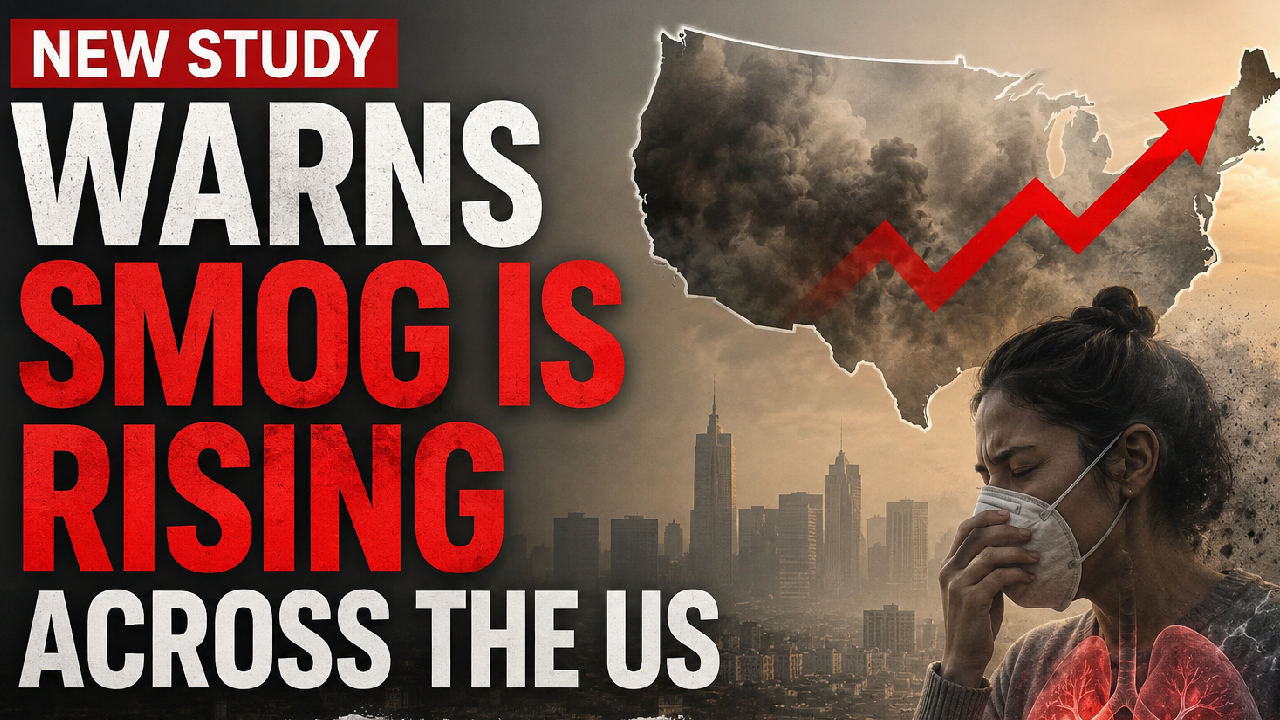
The United States has been working on reducing smog for more than a decade and has become quite successful in this endeavor, but since 2015, the situation has changed for the worse as a new study reveals that the smog level is once again on the rise, and the main reason behind this is another long-term problem of the nation, wildfire. The federal regulations tightened on power plants, cars, and diesel engines, which in turn caused a drop in the national smog level by 11% from 2003 to 2015. Since then, cases of wildfire have increased, resulting in the smog level going up by 4%. The study finds that if the current trend continues, it will cause smog to go back up to 2003 levels in 20 years. The study in the journal Science has also calculated a surge in deaths from ozone attacking lungs by comparing death rates in clean and dirty air. They estimated a surge of 318 American deaths per year since 2013 due to smog.The co-author of the study, Meng Zhou, a University of Iowa wildfire researcher, said, “For the last 20 years, by regulations, we keep decreasing the emissions." He added, “However, because of wildfires, which are actually from natural hazards, all those kinds of effort were wiped out.”The study also flagged concerns about the current smog situation and its possible impact on the population. University of Washington public health and climate scientist Kristie Ebi said, “Higher daily ozone concentrations can increase asthma attacks, hospital admissions, and mortality.” She added, “still a very important pollutant, which is why it's regulated.”Also Read: The Mystery Behind Trump’s Hair-Loss Drug And The Bigger Health Questions It RaisesThe research finds that the heavy wildfire smoke seasons of 2022, 2023, and 2024, mainly in Canada, created a massive amount of smog, and this then came down south. As a result, about 43 million people got exposed to smog levels that exceeded the current EPA safety standards. The wildfires in Canada have been particularly severe since 2022.The problem is also with the massive wildfires in the mainland US, as the National Interagency Fire Center's data also shows that the average amount of land in the US that wildfires burn every year has increased by 9% higher than it was from 2003 to 2014.Also Read: CDC Warns That Tick Bites Are Surging Across The US: What You Need to KnowWhat Are The Possible Health Impacts?There are many short-term and long-term impacts on public health from the constant exposure to air pollution. As per IQAir, in the short term, people experience irritation in the eyes, throat, and nose, along with irregular heartbeats, asthma attacks, coughing, chest tightness, and difficulty breathing.Prolonged exposure also intensifies these risks and leads to long-term effects such as chronic respiratory illnesses like bronchitis, asthma, and emphysema. Pollutants can also damage lung tissue, increasing the likelihood of lung cancer. Air pollution also leads to an increased risk of heart attacks and strokes, and could also be linked to premature death.