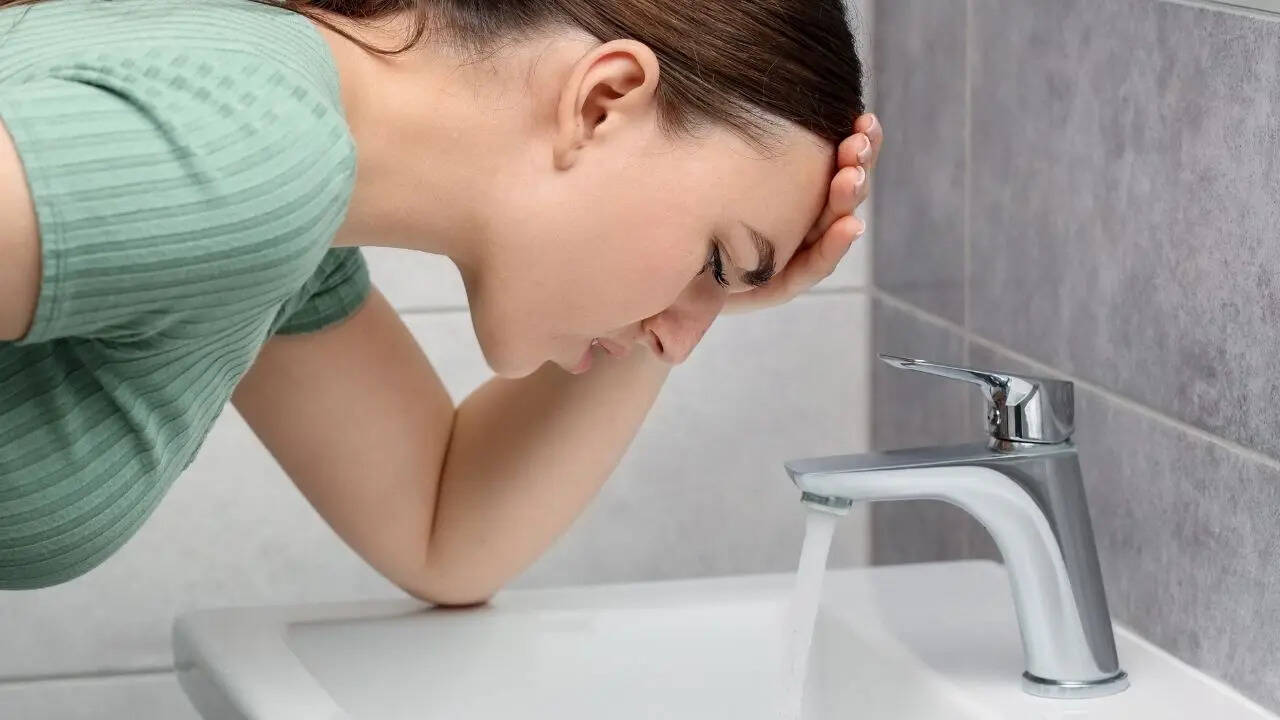
Norovirus appears to be increasing after a 57 percent jump in hospital admissions linked to the sickness bug last week. Figures from the NHS show that an average of 567 hospital beds were occupied each day by patients suffering from diarrhoea and vomiting. Although this number remains well below last winter’s peak, the sudden rise over just one week has raised concerns that norovirus infections could soon climb further. Experts believe the return of children to school and more indoor contact following the Christmas break may be helping the virus spread.Why Does Norovirus Spread So Easily?Jason Murphy, head of pharmacy at Chemist4U, as per The Mirror, said the virus is often underestimated. “Norovirus spreads far more easily than people realise. Even a very small amount can make you ill, and it can stay on surfaces for several days. As cases continue to climb, it’s important to move beyond basic hygiene and take more focused steps to protect yourself and others. Many people think norovirus is a short-lived illness, but it’s very persistent and passes on easily.”Murphy added that pharmacists tend to approach norovirus from two angles. “We focus on stopping it from spreading and on helping the body cope while the infection passes. There’s no treatment that kills the virus itself, but there are ways to ease symptoms and lower the risk of problems like dehydration.”Advice To Prevent The Spread Of NorovirusTreat it as a hard-to-kill infection – Norovirus is classed as a non-enveloped virus, which means alcohol hand gels and many everyday cleaners do not work against it. Washing hands with soap and warm water removes the virus physically, while bleach can neutralise it on surfaces.Use the right cleaning products – Choose disinfectants that clearly state they are virucidal or effective against non-enveloped viruses. If this is not mentioned, the product is unlikely to kill norovirus.Get bleach dilution right – Bleach needs to be mixed correctly. If it is too diluted, it will not kill the virus. If it is too strong, it can irritate the skin and lungs. Always ventilate the room well and follow the instructions on the label.Treat vomiting as contamination – In healthcare settings, vomiting is handled as a form of airborne exposure. Clean beyond the visible mess, air out the space properly, and assume nearby soft furnishings may also be contaminated.Create isolation at home – If possible, give the unwell person their own bathroom, towels, and bin. This mirrors hospital infection control measures and helps limit the spread to others.How To Ease Norovirus Symptoms?Focus on rehydration – Dehydration is the most serious risk linked to norovirus. Electrolyte drinks are more effective than water alone because they replace lost salts as well as fluids.Take fluids slowly – Sip small amounts every five to ten minutes instead of drinking large volumes at once. This helps reduce vomiting and allows the body to absorb fluids better.Pain relief – Once fluids are staying down, paracetamol is the safest option for fever, headaches, and muscle aches. Ibuprofen should be avoided if you are dehydrated or vomiting frequently, as it can irritate the stomach and strain the kidneys.Be careful with anti-diarrhoea medicines – Drugs such as loperamide can slow diarrhoea, but this is not always advised because diarrhoea helps flush the virus out. These medicines may be used briefly in specific situations, such as essential travel, but should not be given to children or used if there is a fever or blood in the stool.Help with nausea – For severe sickness, a pharmacist can recommend anti-nausea treatments. If vomiting continues, a GP may prescribe medication to help control symptoms so fluids can be kept down.Eat gently when ready – Once your appetite comes back, start with plain foods like toast, crackers, bananas, or rice. Avoid rich, spicy, or dairy-heavy foods until you feel better.Rest as part of recovery – The immune system clears norovirus on its own. Getting enough rest supports recovery and helps prevent further complications.