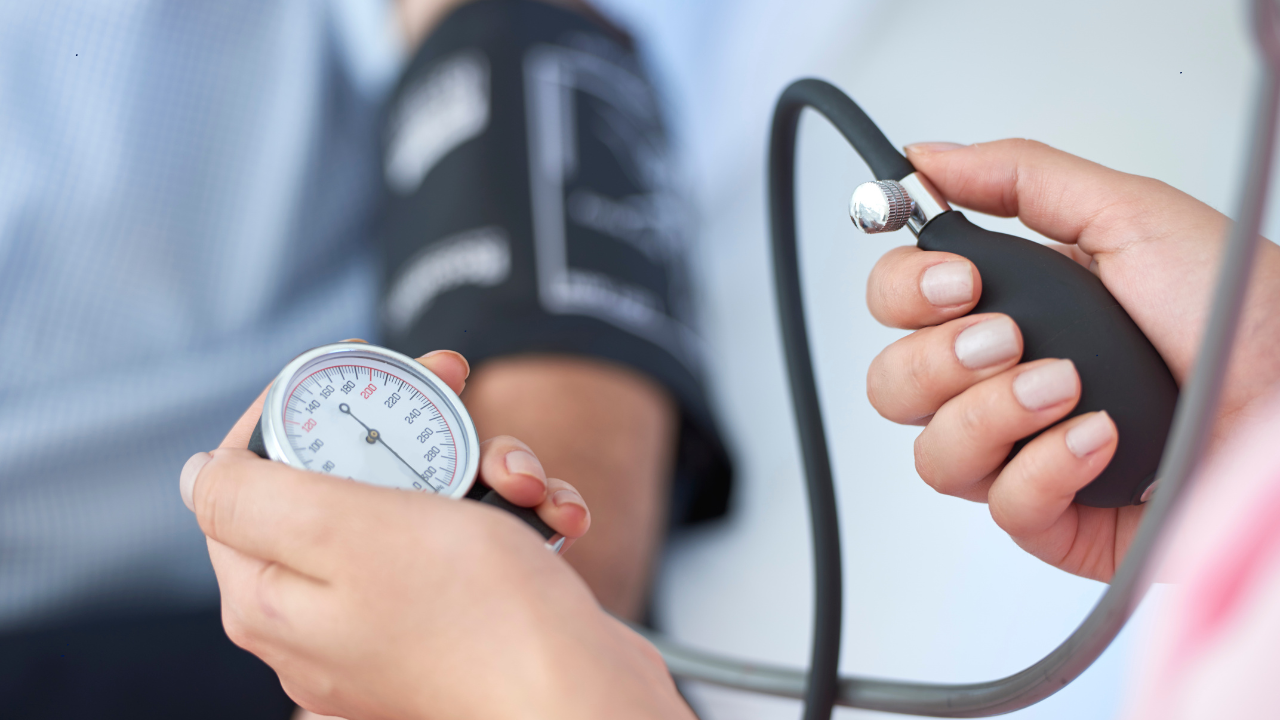
High blood pressure is often called the “silent killer.” Unlike fever, pain, or breathlessness, elevated blood pressure may not produce any warning signs for years. Many individuals continue their daily routines feeling completely normal, while hidden damage slowly affects the heart, brain, kidneys, and blood vessels.The Myth: “I Feel Fine, So My Blood Pressure Must Be Normal”A person may have blood pressure readings of 160/100 mmHg or higher and still feel perfectly healthy. Unfortunately, by the time symptoms appear, complications may already have developed. Some patients discover hypertension only after a heart attack, stroke, kidney disease, or vision disturbance. This is why regular blood pressure monitoring is crucial.Why Hypertension Is Increasing in Modern IndiaIndia is witnessing a major lifestyle transition. Urbanization, technology-driven work culture, and changing dietary patterns have significantly increased cardiovascular risk factors.1. Sedentary LifestyleMany people spend 8–10 hours sitting in offices, working on computers, attending virtual meetings, or commuting in traffic. Physical activity has drastically reduced, especially in urban populations. Lack of exercise contributes to obesity, diabetes, stress, and elevated blood pressure.Even younger adults in their 30s and 40s are now being diagnosed with hypertension, which was once considered a disease of older age.2. Fast Food and High Salt IntakeProcessed foods, packaged snacks, restaurant meals, and fast foods are often high in salt, unhealthy fats, and preservatives. The World Health Organization (WHO) recommends that adults consume less than 5 g of salt per day. However, studies and national public health campaigns such as Eat Right India report that the average Indian adult consumes nearly 10–12 g of salt daily.Additionally, a recent survey among patients with Stage 2 hypertension indicated that nearly half (49.3%) did not follow a salt-restricted diet, while 55.5% were obese. These findings highlight poor adherence to lifestyle modifications even in patients with dangerously high blood pressure.3. Stress and Mental FatigueModern lifestyles come with constant deadlines, financial pressures, social expectations, and digital overload. Poor sleep, anxiety, and lack of work-life balance also play a significant role in cardiovascular health.The Growing Concern Among Working WomenToday’s women frequently manage dual responsibilities, professional commitments, along with household and family duties. Long work hours, irregular meals, stress, lack of sleep, and limited time for self-care can silently affect their health.Many women ignore routine health check-ups because they prioritize family needs over their own well-being. Additionally, conditions such as pregnancy-related hypertension, menopause, obesity, thyroid disorders, and diabetes can further increase cardiovascular risk in women.Why Early Monitoring Matters More Than EverHypertension detected early can often be controlled effectively through lifestyle modifications and timely treatment.Early monitoring helps:Detect silent hypertension before complications developPrevent heart attacks and strokesReduce the risk of kidney disease and heart failureA simple blood pressure check takes only a few minutes but can prevent life-threatening complications in the future.Who Should Monitor Blood Pressure Regularly?Every adult above 18 years should know their blood pressure status. However, regular monitoring becomes especially important for:Individuals above 30 yearsPeople with diabetes or obesitySmokers or tobacco usersIndividuals with a family history of hypertension or heart diseasePeople with stressful jobs or sedentary lifestylesWomen with a history of pregnancy-related hypertensionHome Monitoring: A Useful HabitRegular home monitoring can help detect blood pressure fluctuations early and improve treatment adherence. However, patients should use validated devices and follow correct measurement techniques. Importantly, patients should not self-medicate or stop medicines without consulting their doctor.Hypertension is no longer a disease limited to older adults. It is increasingly affecting young professionals, homemakers, entrepreneurs, and working women living under constant stress and sedentary routines. The absence of symptoms does not mean the absence of disease. Your blood pressure may be silently affecting your body long before you notice any warning signs. Early monitoring provides an opportunity to act before complications can occur.