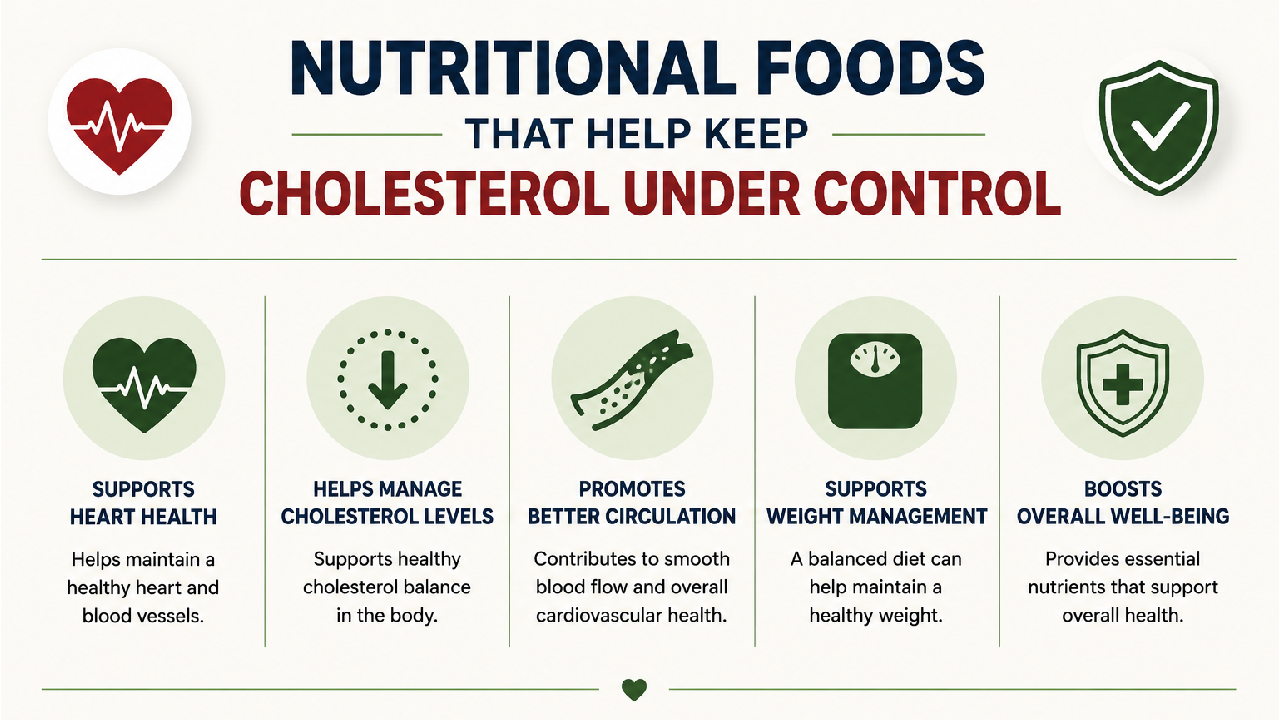
Keeping your cholesterol levels in a healthy range is one of the best things you can do for your heart. High cholesterol is a major risk factor for heart disease, but the good news is that what you eat can make a significant difference. While some people may need medication, research shows that certain foods can naturally help lower LDL cholesterol and support overall cardiovascular health.One of the easiest places to start is with oats. Oats are packed with a soluble fiber called beta-glucan, which helps reduce the amount of cholesterol absorbed into your bloodstream. A review published in Nutrients found that regularly eating oat beta-glucan can lead to meaningful reductions in LDL cholesterol, especially when combined with an overall heart-healthy diet.Legumes such as beans, lentils, and chickpeas are another powerful addition to your plate. They're rich in fiber and plant-based protein, making them an excellent alternative to processed meats and other foods high in saturated fat. Research has consistently linked regular legume consumption with lower LDL cholesterol levels and better heart health. Nuts also deserve a place in a cholesterol-friendly diet. Almonds, walnuts, and other tree nuts provide healthy unsaturated fats, fiber, and antioxidants. According to studies published in the American Journal of Clinical Nutrition, moderate nut consumption can help improve cholesterol levels and support cardiovascular health.Fatty fish like salmon, sardines, and mackerel are well known for their heart-protective benefits. These fish are rich in omega-3 fatty acids, which can help lower triglycerides and support healthy blood vessels. The American Heart Association recommends eating fatty fish at least twice a week as part of a balanced diet.Fruits and vegetables remain some of the most important foods for maintaining healthy cholesterol levels. Apples, berries, oranges, leafy greens, and broccoli provide fiber, vitamins, antioxidants, and plant compounds that help protect the heart. Numerous studies have shown that diets rich in fruits and vegetables are associated with a lower risk of cardiovascular disease.Also Read: Australia Reports H5 Bird Flu In Second State; Can It Spread to Humans?Avocados are another heart-smart choice. They contain monounsaturated fats and fiber, both of which can help improve cholesterol levels when used in place of foods high in saturated fat. A clinical study published in the Journal of the American Heart Association found that people who ate one avocado daily experienced greater reductions in LDL cholesterol than those following similar diets without avocado.The bottom line is that controlling cholesterol doesn't require a drastic diet overhaul. Small, consistent changes—such as eating more whole grains, legumes, nuts, fruits, vegetables, fatty fish, and healthy fats—can have a lasting impact on heart health. Combined with regular exercise and other healthy lifestyle habits, these foods can help keep your cholesterol in check and support long-term well-being.