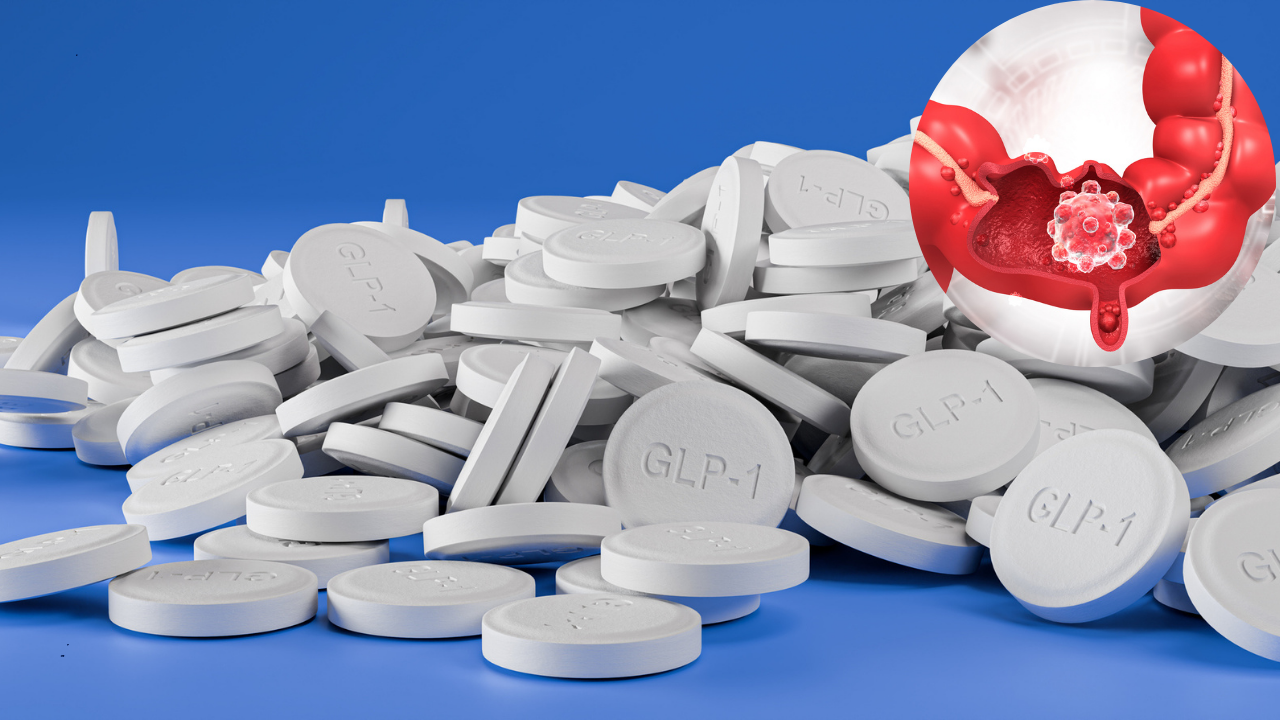
GLP-1 receptor agonists (GLP-1 RAs), including semaglutide widely used to improve diabetes control and promote weight loss, may also reduce the risk of colorectal cancer, according to a new study.The study found that the effect was particularly notable among people with inflammatory bowel disease (IBD), as well as those with both IBD and type 2 diabetes. Both conditions are associated with a higher risk of colorectal cancer due to chronic inflammation and metabolic changes that may promote tumor development."GLP-1 RA use was associated with a significantly reduced incidence of colorectal cancer in all patients with IBD, as well as the subpopulation with both IBD and type 2 diabetes," said lead author Sarina Ailawadi of Case Western Reserve University, US."Given the elevated colorectal cancer risk in IBD, these findings suggest a potential protective effect of GLP-1 RA use in this high-risk population. Prospective studies will be important to further analyze and confirm this potential benefit," she added.The findings will be presented at the 2026 American Society of Clinical Oncology (ASCO) Breakthrough meeting, scheduled for June 25–27 in Singapore.Also read: Robert F. Kennedy Jr. Launches Reforms To Speed Up Early Drug Research In USHow Was The Study Conducted?This retrospective cohort study analyzed data from 69,221 people in the US, including GLP-1 RA users and non-users.Researchers also identified 209,649 people with both IBD and type 2 diabetes, including 38,567 who had taken a GLP-1 RA.After matching users and non-users for various characteristics, data from 37,740 patients were analyzed. The GLP-1 RA group included people taking semaglutide, dulaglutide, tirzepatide, exenatide, liraglutide, or lixisenatide.The researchers compared the five-year incidence of colorectal cancer between GLP-1 RA users and non-users.Among people with IBD, the five-year incidence of colorectal cancer was 0.2% in GLP-1 RA users compared with 0.42% in non-users. The odds ratio was 0.49, indicating a 51% lower likelihood of developing colorectal cancer among GLP-1 RA users.Among patients with both IBD and type 2 diabetes, the five-year incidence of colorectal cancer was 0.31% in GLP-1 RA users and 0.57% in non-users. The odds ratio was 0.54, suggesting a 46% lower likelihood of developing colorectal cancer.The researchers noted that prospective studies are needed to confirm the potential protective effect of GLP-1 RAs on colorectal cancer risk.Do IBD and Type 2 Diabetes Increase Colorectal Cancer Risk?Read More: Natural Origin or Lab Leak? Gabbard Reignites COVID Origins Debate, Claims Fauci Funded Wuhan Lab ResearchInflammatory bowel disease is associated with a higher risk of colorectal cancer, likely because of chronic inflammation in the intestines. People with IBD are estimated to be six times more likely to develop colorectal cancer than those without the condition.Type 2 diabetes, the most common form of diabetes, also increases colorectal cancer risk and is becoming more common among people with IBD. Scientists believe that individuals with both conditions may face an especially high risk because of the combined effects of chronic inflammation and metabolic dysfunction.What Are GLP-1 Receptor Agonists?GLP-1 receptor agonists are a class of drugs that help lower blood sugar levels and promote weight loss. Originally developed to treat type 2 diabetes, many are now widely used for weight management.These medications mimic the action of the GLP-1 hormone by stimulating insulin release, slowing digestion, and increasing feelings of fullness.Beyond blood sugar control and weight loss, GLP-1 RAs have been linked to several health benefits, including lower blood pressure and reduced cardiovascular risk. Previous studies have also suggested that they may lower the risk of colorectal cancer and other obesity-related cancers.However, their specific impact on colorectal cancer risk among people with IBD has remained unclear until now.