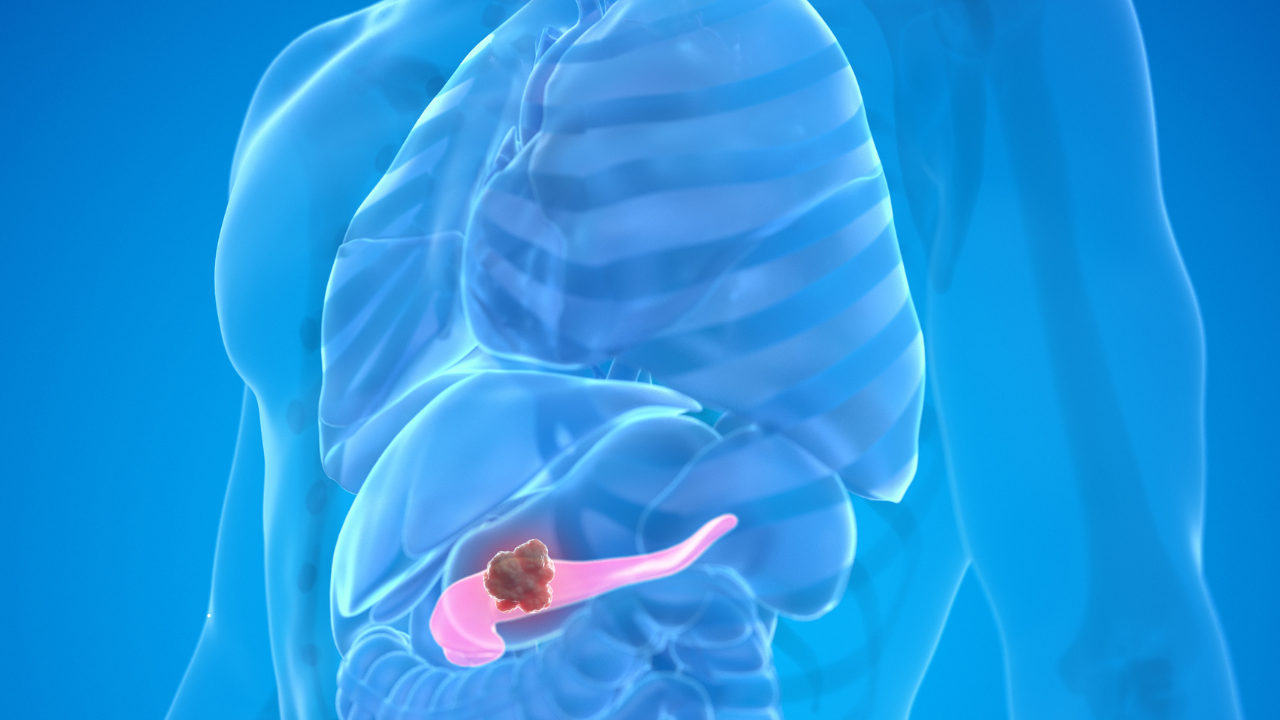
Pancreatic cancer is one of the most feared diseases, and it causes thousands of lives to be wasted away due to this fatal disease. According to the Population-Based Cancer Registries (PBCRs) managed by the Indian Council of Medical Research (ICMR) and the IARC Global Cancer Observatory (GLOBOCAN), about 22,982 Indians have pancreatic cancer every year.On the other hand, the American Cancer Society's US SEER Pancreatic Cancer Stat Facts shows the annual number of cases is 67,530. Thus, any lead to resisting cancer is good news for the world. Recently, a research team from Stony Brook Medicine and Luisa Escobar-Hoyos of Yale School of Medicine, led by Kenneth Shroyer and Natalia Marchenko, found an important fact to fight the fatal disease.The study investigated the role of Keratin 17 (K17) and found that the protein can be a driver of chemoresistance to gemcitabine. It is often used to treat various types of cancer. The study shows that the K17 can act as a target for the development of novel treatments.They discovered that the protein is a key driver of chemoresistance to gemcitabine, an agent used to treat a wide range of cancers, including advanced tumors of the pancreas, lungs, and breast. How New Pancreatic Cancer Drug Daxorrasib Can Help You?Daxaronrasib is a daily oral pill that has demonstrated statistically significant and clinically meaningful improvements in progression-free survival (PFS) and overall survival (OS) compared with standard intravenous chemotherapy.Described as a multi-selective inhibitor of RAS(ON) proteins, it is the first investigational drug in a new class of RAS inhibitors designed to target a broad spectrum of cancer-causing RAS mutations.The drug works by blocking KRAS signalling proteins that drive tumor growth.Read More: New Pancreatic Cancer Drug Daxaronrasib May Benefit Patients With Lung And Ovarian Tumors TooDaraxonrasib is the first drug. It works by pairing up with a protein called cyclophilin A inside cells, acting like a molecular glue, glomming onto the mutated protein.Pancreatic cancer is considered one of the most RAS-dependent cancers, with more than 90 per cent of patients carrying tumours driven by RAS protein mutations. Similar RAS-targeting drugs are also being developed for pancreatic, lung, and colon cancers.The findings were presented at a plenary session of the American Society of Clinical Oncology’s meeting in Chicago on May 31 and simultaneously published in the New England Journal of Medicine.